

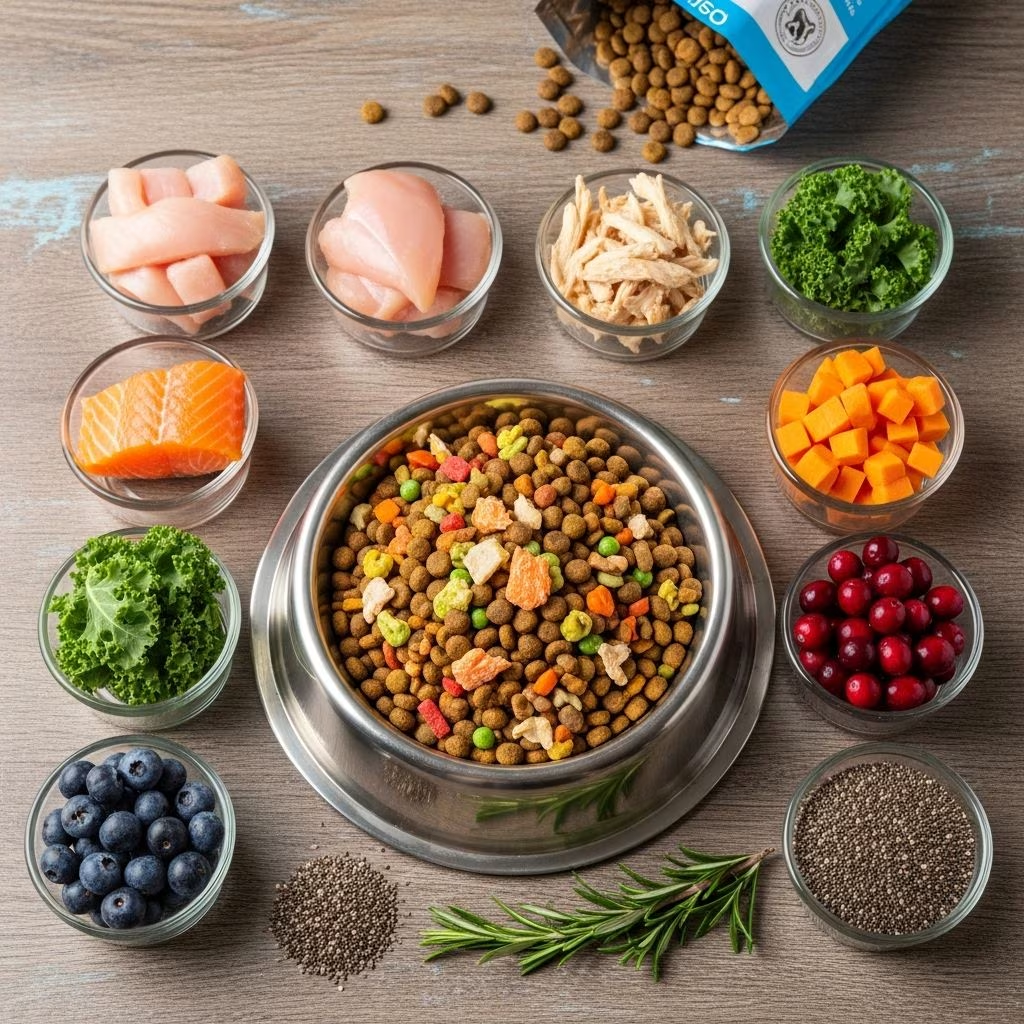
The Ultimate Guide to Dog Food Ingredients
Choosing the right food for your dog is one of the most important decisions you can make as a pet owner. Understanding dog food ingredients is essential for ensuring your furry companion receives balanced nutrition to support their overall health and wellbeing. Just like humans, dogs require specific nutrients to thrive, and the quality of ingredients in their food directly impacts their energy levels, coat health, digestive function, and longevity. This comprehensive guide will walk you through the six essential nutrient categories every dog needs and help you become an informed pet parent when selecting the best food for your canine companion.
Six Dog Food Ingredients Every Pup Needs
A complete and balanced dog food should contain six fundamental ingredient categories that work together to support your dog’s health. Each plays a unique role in maintaining proper body function, supporting immune health, and promoting longevity. Let’s explore each essential ingredient category in detail.
1. Proteins
Protein is the foundation of any quality dog food and should always be the first ingredient listed on the label. Proteins are essential amino acids that support muscle development, maintenance, and repair. They also play a crucial role in producing enzymes, hormones, and antibodies that keep your dog’s immune system functioning optimally.
Quality protein sources in dog food include real meat, poultry, and fish. Common protein options available in commercial dog foods include chicken, beef, lamb, turkey, and fish. These animal-based proteins are complete proteins, meaning they contain all the essential amino acids dogs need. When selecting a dog food, look for named meat sources as the primary ingredient rather than vague terms like “meat meal” or “animal by-products,” which indicate lower-quality protein sources.
Chicken is the most common dog food ingredient due to its affordability and palatability. However, it’s also one of the top allergens for dogs. If your dog shows symptoms of food sensitivity such as excessive itching or ear infections, consider switching to novel proteins like duck, bison, venison, or lamb to determine if symptoms improve.
2. Carbohydrates
While dogs are not obligate grain consumers like cats, carbohydrates provide an important energy source for maintaining an active lifestyle. Carbohydrates break down into glucose, which fuels your dog’s brain and body. However, the quality of carbohydrates matters significantly.
Look for complex carbohydrates that provide sustained energy and nutritional benefits:
- Brown rice – A gentle grain rich in fiber and essential minerals for digestive health
- Oats – Support digestion and provide lasting energy without causing spikes in blood sugar
- Quinoa – A high-protein grain alternative that provides all essential amino acids
- Sweet potato – Packed with vitamins, particularly beta-carotene which converts to vitamin A for vision and immune support
- Pumpkin – Excellent for gut health and provides prebiotic fiber
Avoid dog foods containing low-quality fillers like wheat, corn, soy, and corn syrup. These ingredients have very low digestibility for dogs and can cause digestive issues and allergies. Reading the ingredient label carefully helps you identify whether a food contains quality carbohydrate sources or problematic fillers.
3. Fats
Fats are crucial for providing your dog with concentrated energy—more than double what they get from carbohydrates or protein. Beyond energy, fats are important for brain health, cognitive function, and maintaining healthy skin and coat. When selecting a dog food, prioritize omega fatty acids, specifically omega-3 and omega-6 fatty acids.
Omega-3 fatty acids help reduce inflammation throughout your dog’s body and support joint health, making them particularly important for senior dogs or those with arthritis. Omega-6 fatty acids promote healthy skin and contribute to a shiny, lustrous coat.
Quality fat sources in dog food include:
- Fish oil and salmon oil – Excellent sources of omega-3 fatty acids EPA and DHA
- Chicken fat, beef fat, and pork fat – Palatable and energy-dense
- Flaxseed and flaxseed oil – Plant-based sources of omega-3 fatty acids
- Coconut oil – Supports digestion and skin hydration
- Canola oil and sunflower oil – Provide essential fatty acids for coat health
- Egg yolk – Contains balanced omega-3 and omega-6 fatty acids
When reviewing a dog food label, look for the guaranteed analysis section to verify that omega-3 and omega-6 levels meet your dog’s nutritional needs.
4. Fiber
Fiber is an often-overlooked nutrient that plays a vital role in digestive health. Fiber aids digestion and helps stabilize blood sugar levels, supporting overall metabolic function. There are two types of fiber that serve different purposes in your dog’s digestive system.
Soluble fiber helps soothe diarrhea and can be found in sources such as:
- Beet pulp
- Chicory root
- Oats
- Psyllium husks
- Apples and carrots
- Sweet potatoes
Insoluble fiber is great for combating constipation and can be found in sources such as:
- Wheat bran
- Pumpkin
- Cellulose
- Green beans and celery
- Beet pulp (also contains soluble fiber)
Probiotic fibers from sources like chicory root are particularly beneficial for senior dogs, helping to nourish healthy gut microbes and support digestive wellness as dogs age. A healthy gut microbiome contributes to better nutrient absorption and improved overall health.
5. Vitamins and Minerals
Vitamins and minerals are micronutrients essential for countless bodily functions. While needed in smaller quantities than macronutrients, vitamins and minerals are critical for bone health, immune function, metabolism, and cellular repair. Quality dog foods are formulated to provide balanced levels of essential vitamins and minerals.
Dog foods typically contain supplemented vitamins including vitamin A for vision and immune support, B vitamins for energy metabolism, vitamin D for calcium absorption and bone health, and vitamin E as an antioxidant. Mineral additions include calcium and phosphorus for bone structure, zinc for skin and coat health, iron for oxygen transport, and iodine for thyroid function.
Some advanced dog food formulas include additional supportive ingredients such as:
- Kelp – Packed with iodine and minerals for thyroid support
- Collagen – Helps maintain healthy joints and skin
- Prebiotics and probiotics – Promote a healthy gut microbiome
These additions ensure your dog’s food provides well-rounded, comprehensive nutrition.
6. Water
While water isn’t an ingredient you’ll see listed on dry dog food labels, it remains one of the most essential nutrients for your dog’s survival and health. Water supports every physiological function, from regulating body temperature to enabling nutrient absorption and waste elimination. Ensure your dog always has access to fresh, clean water throughout the day, especially if feeding dry kibble.
Dogs on fresh or wet food diets obtain more moisture from their food, while those eating dry kibble require additional water intake. Monitor your dog’s water consumption and encourage drinking, particularly in warm weather or during active play.
Ingredients to Avoid in Dog Food
Understanding what NOT to feed your dog is equally important as knowing beneficial ingredients. Several ingredients provide little nutritional value and may cause digestive upset or allergic reactions.
Low-quality fillers such as corn syrup, soy, and generic meat by-products have very low digestibility for dogs and should be avoided. These ingredients fill the product without providing meaningful nutrition.
Artificial additives including BHA (butylated hydroxyanisole) and BHT (butylated hydroxytoluene) are used to preserve dog food but have raised health concerns among veterinarians and pet nutritionists. Look for dog foods preserved with natural methods, such as mixed tocopherols or vitamin E, instead.
Artificial colors, flavors, and sweeteners provide no nutritional benefit and may cause sensitivities in some dogs. Quality dog foods rely on real ingredients for flavor and palatability rather than artificial enhancers.
Reading Dog Food Labels
The ingredient list on a dog food label is arranged by weight, with the most abundant ingredients listed first. The first ingredient should always be a protein source, followed by carbohydrates, fats and fiber, and vitamins and minerals. Understanding this order helps you quickly assess whether a food prioritizes quality nutrition.
Look for specific, named meat sources like “chicken,” “beef,” or “salmon” rather than generic terms like “meat” or “poultry by-products.” A food with chicken as the first ingredient and whole vegetables as secondary ingredients offers better nutrition than a food with meat meal followed by corn.
Frequently Asked Questions
Q: What should the first five ingredients in dog food be?
A: Ideally, the first five ingredients should be: protein source, carbohydrates, fats, vitamins, and minerals. This order indicates the food prioritizes quality nutrition and complete balance.
Q: Is chicken the best protein source for dogs?
A: Chicken is popular, affordable, and palatable to most dogs. However, it’s also one of the top allergens. If your dog shows food sensitivity symptoms, consider novel proteins like duck, bison, venison, or lamb.
Q: Why is fiber important in dog food?
A: Fiber aids digestion, helps stabilize blood sugar, and supports healthy gut microbes. Both soluble and insoluble fiber play important roles in maintaining digestive wellness.
Q: What’s the difference between omega-3 and omega-6 fatty acids?
A: Omega-3 fatty acids help reduce inflammation and support joint health, while omega-6 fatty acids promote healthy skin and a shiny coat. Both are essential for dog health.
Q: Should I avoid all grains in dog food?
A: Dogs are not obligate grain consumers, but quality grains and carbohydrates provide important energy. Avoid low-quality fillers like corn and wheat; instead, look for brown rice, oats, quinoa, or sweet potato.
Q: What artificial preservatives should I avoid?
A: Avoid BHA (butylated hydroxyanisole) and BHT (butylated hydroxytoluene). Look for foods preserved naturally with mixed tocopherols or vitamin E instead.
Q: How do I know if my dog has a food sensitivity?
A: Common signs include excessive itching, ear infections, and digestive upset. If you suspect food sensitivity, consult your veterinarian and consider trying limited ingredient diets with novel proteins.
References
- The Ultimate Guide to Dog Food Ingredients — Chewy. 2025. https://www.chewy.com/education/dog/food-and-nutrition/dog-food-ingredients
- How to Read a Dog Food Label — Chewy. 2025. https://www.chewy.com/education/dog/food-and-nutrition/dog-food-labels-and-dog-nutrition
- A Guide to Dog Food Ingredients and Reading Labels — PetMD. 2025. https://www.petmd.com/dog/nutrition/pet-food-ingredient-and-label-guide
- The 6 Best Ingredients to Look for in Dry Dog Food — Nourish Pet Co. 2025. https://www.nourishpetco.com.au/blogs/news/dry-dog-food-ingredients
- Dog Food & Nutrition: Feeding Guidelines, Diet Types & More — Chewy. 2025. https://www.chewy.com/education/dog/food-and-nutrition



