

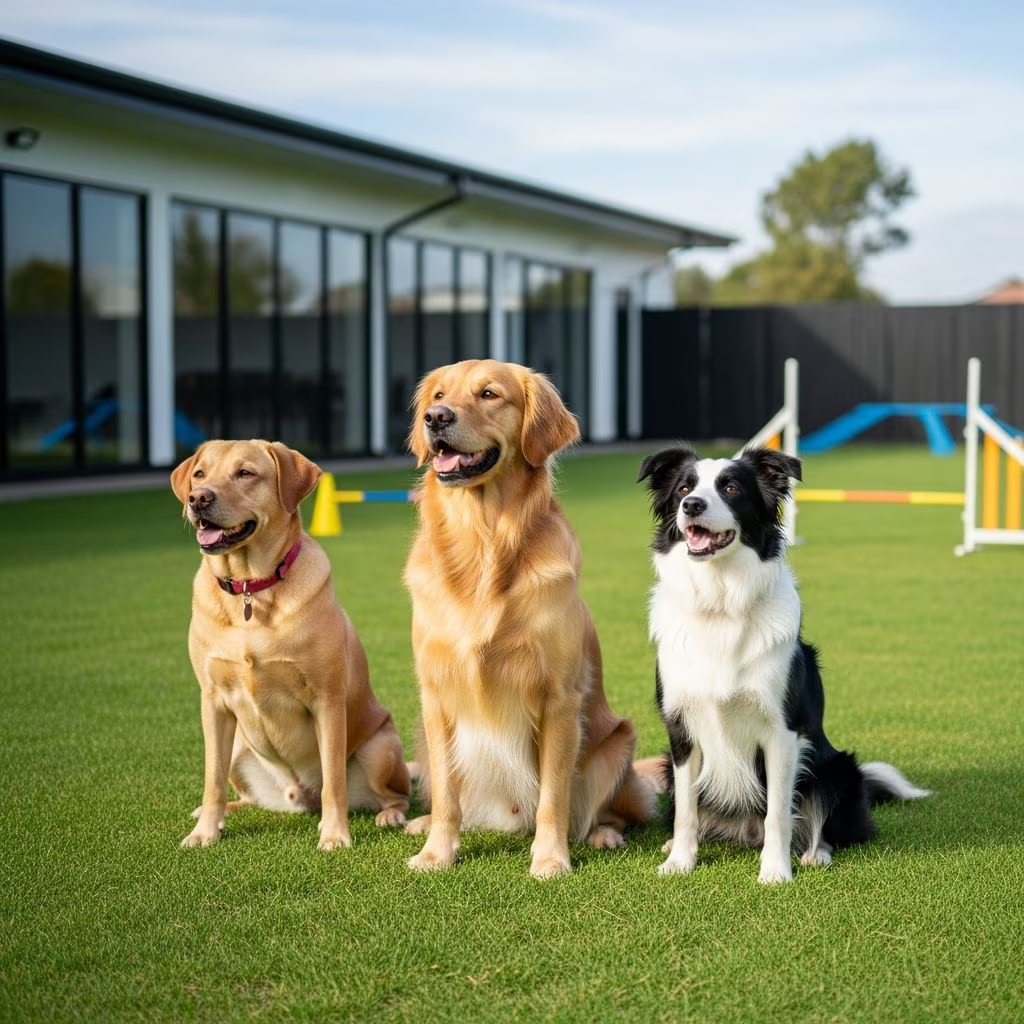
Modern dog owners often face the challenge of balancing travel, work, and their pet’s needs. Dog boarding and training facilities offer a practical solution by providing professional care combined with skill-building opportunities. These establishments ensure dogs receive exercise, nutrition, socialization, and structured learning while owners are away. This guide delves into selecting the right facility, preparing your dog, understanding services, and reaping long-term rewards.
Why Opt for Combined Boarding and Training?
Facilities that integrate boarding with training provide more than temporary housing. They create immersive environments where dogs maintain routines and advance behaviors. Professional oversight accelerates progress in obedience, socialization, and issue resolution, such as reactivity or anxiety. Owners gain peace of mind knowing their pet is not just safe but improving daily.
- Consistency: Daily reinforcement solidifies commands learned at home.
- Expert Guidance: Certified trainers address specific challenges efficiently.
- Socialization Boost: Interaction with other dogs enhances adaptability.
According to industry insights, immersive programs yield quicker results than sporadic sessions, making them ideal for busy schedules.
Key Criteria for Evaluating Facilities
Choosing a facility requires thorough assessment to match your dog’s temperament and needs. Prioritize sites with transparent policies and proven track records. Visit in person to gauge atmosphere, cleanliness, and staff interactions.
| Factor | What to Check | Red Flags |
|---|---|---|
| Staff Qualifications | Certifications, experience with breeds, trainer-to-dog ratio | No credentials displayed, high ratios |
| Facility Design | Clean kennels, secure fencing, exercise areas | Odors, cramped spaces, poor ventilation |
| Training Approach | Positive reinforcement methods, customized programs | Punitive techniques, generic plans |
| Health Protocols | Vaccination requirements, daily health checks | Lax screening, no isolation for sick dogs |
Observe dogs during visits: relaxed postures and enthusiastic staff engagement signal quality care.
Questions to Ask Before Booking
A structured inquiry list ensures alignment with expectations. Inquire about daily schedules, emergency procedures, and progress updates.
- How do you handle dogs with separation anxiety?
- What is the feeding and medication administration process?
- Are video updates or live cams available?
- What happens if my dog shows signs of illness?
- Can I provide my dog’s favorite toys or bedding?
Request references from recent clients via independent review sites for unbiased feedback.
Preparing Your Dog for the Stay
Success hinges on gradual acclimation. Start with short daycare visits or tours to familiarize your dog with scents, sounds, and routines. Update vaccinations and attach clear ID tags well in advance.
- Practice crate training if kennels are used.
- Maintain home routines for meals and potty breaks pre-stay.
- Pack familiar items like blankets to ease transitions.
- Discuss any behavioral quirks with staff upfront.
Mentally prepare yourself too—view the stay as an enriching adventure, not abandonment. Facilities with structured days mimic home stability, reducing stress.
Understanding Training Program Types
Facilities offer tailored programs for various life stages and issues. Puppy-focused options emphasize basics like housebreaking, while advanced tracks tackle aggression or off-leash reliability.
- Beginner Programs: Cover sit, stay, recall for young dogs.
- Behavior Correction: Target reactivity, anxiety via immersion.
- Advanced Obedience: Build public manners and reliability.
Positive methods, favoring rewards over punishment, align with humane standards endorsed by experts. Immersion ensures 24/7 consistency, outperforming weekly lessons.
Facility Layout and Safety Essentials
Optimal designs include spacious indoor-outdoor kennels, non-slip floors, and weather-proof training zones. Secure fencing prevents escapes, while wash areas maintain hygiene.
American Kennel Club criteria emphasize cleanliness, ventilation, and parasite-free environments as non-negotiables. Look for covered play areas supporting all-weather activities.
Daily Life in a Top Facility
Expect regimented days: morning potty walks, meals, group play, individual training, and evening wind-downs. Enrichment like puzzle toys prevents boredom, promoting mental health.
Staff monitor for stress signals, adjusting interactions accordingly. Nutrition matches dietary needs, with options for special diets.
Addressing Common Concerns
Worries about loneliness or regression are common. Quality facilities counter this with socialization and routine. Post-stay reinforcement at home sustains gains.
- Anxiety Management: Calming aids, one-on-one time.
- Health Monitoring: Vets on call, quarantine protocols.
- Post-Boarding Adjustment: Ease back with quiet days.
Long-Term Benefits of Regular Use
Beyond immediate care, repeated stays build confidence and adaptability. Dogs emerge more obedient, social, and resilient, strengthening owner-pet bonds through shared progress reports.
Owners report faster issue resolution and reduced future training needs, justifying investment.
Frequently Asked Questions
What if my dog is a first-time boarder?
Introductory visits help; staff use gradual exposure techniques.
How long should a training board last?
Typically 1-4 weeks, depending on goals.
Are group plays supervised?
Yes, with trained staff matching compatible dogs.
Can I visit during the stay?
Some allow scheduled visits; confirm policies.
What costs should I expect?
Varies by duration and services; inquire for quotes.
Conclusion: Empower Your Dog’s Future
Selecting a premier dog boarding and training facility transforms absences into growth opportunities. With diligent research and preparation, your companion thrives securely and skillfully.
References
- RHP Facility Criteria — American Kennel Club. 2023. https://www.akc.org/sports/conformation/akc-registered-handlers/rhp-facility-criteria/
- Choosing the Right Dog Boarding and Training Facility 101 — BlackPaw Dog Training. 2024. https://blackpawdogtraining.com/dog-boarding-and-training-how-to-choose-the-right-one/
- The Ultimate Guide to Successful Dog Boarding and Training — Upstate Canine Academy. 2024. https://www.upstatecanine.com/blog/successful-dog-boarding-and-training/
- Commercial Dog Kennel Building Plans — The Dog Kennel Collection. 2023. https://www.thedogkennelcollection.com/blog/commercial-dog-kennel-building-plans/
- Everything You Need To Know About Boarding Your Dog at a Training Facility — All Dog Adventures. 2024. https://www.alldogadventures.com/blog/everything-you-need-to-know-about-boarding-your-dog-at-a-training-facility



