

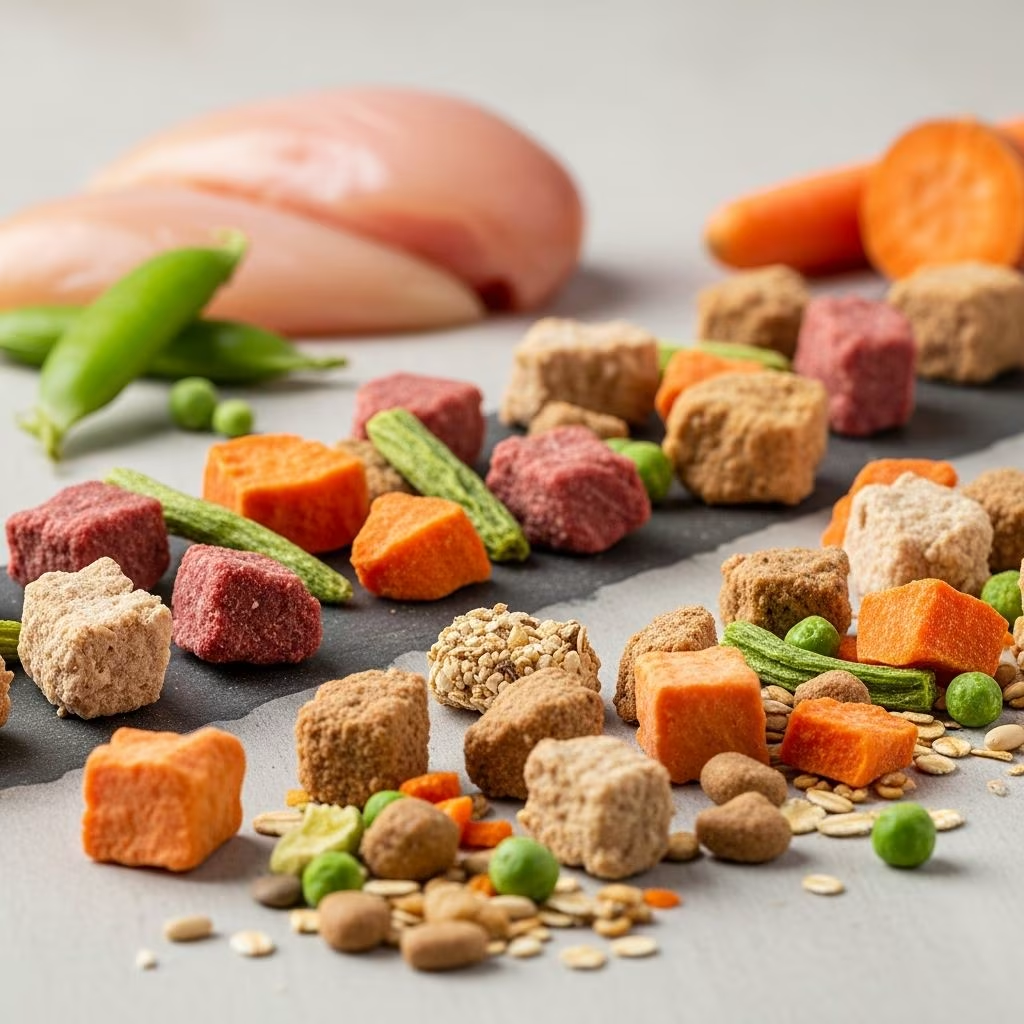
What Is Dehydrated Dog Food?
Dehydrated dog food represents a modern approach to canine nutrition that bridges the gap between fresh whole foods and convenient dry kibble. The dehydration process involves removing moisture from raw or cooked ingredients at low temperatures, typically below 165°F, which preserves the nutritional integrity of the food while extending its shelf life. This method creates a concentrated, nutrient-dense product that retains much of the nutritional value found in fresh foods, making it an increasingly popular choice among health-conscious pet owners.
Unlike traditional kibble, which undergoes high-heat extrusion processing that can destroy heat-sensitive nutrients, dehydrated dog food maintains its nutritional profile through gentle processing. The result is a product that looks and smells similar to fresh food but offers the convenience and longevity of dry pet food. Many dehydrated formulas are made with whole meat proteins, vegetables, and other whole-food ingredients without artificial preservatives or synthetic additives.
Nutritional Benefits of Dehydrated Dog Food
One of the most compelling advantages of dehydrated dog food is its superior nutritional retention. Research shows that dehydration at temperatures below 165°F preserves 85-95% of heat-sensitive nutrients compared to just 40-60% retention with high-heat processes. This preservation is particularly important for maintaining the bioavailability of critical nutrients.
Key Nutritional Advantages
Heat-Sensitive Nutrient Preservation: Dehydrated dog food retains important vitamins and compounds including B vitamins (thiamin, riboflavin, folate), vitamin C, beneficial enzymes, and aromatic compounds that enhance palatability. These nutrients are often lost during the high-heat processing used in traditional kibble manufacturing.
Bioavailable Minerals: Because ingredients in dehydrated food aren’t exposed to extreme temperatures, minerals remain in forms that are easily absorbed by your dog’s digestive system. This is particularly important for iron (supporting healthy blood and energy), calcium and phosphorus (for bones and teeth), zinc (for immune function and skin health), and magnesium (for muscle and nerve function).
Concentrated Phytonutrients: Plant-based ingredients in dehydrated formulas naturally contain thousands of beneficial compounds beyond basic vitamins and minerals, including polyphenols for antioxidant protection, carotenoids for eye and immune health, flavonoids for cardiovascular support, and fiber for digestive and metabolic health.
Health Benefits Demonstrated in Research
A study comparing dehydrated natural dog food to traditional extruded dry kibble found significant physiological benefits. Dogs fed dehydrated natural dog food demonstrated higher digestibility of dietary fiber and mineral matter, while showing reduced blood leukocyte and granulocyte counts by day 40, coupled with increased lymphocyte levels—indicating a potentially more balanced immune profile. Additionally, dogs on the dehydrated natural diet had lower serum cholesterol, triglycerides, and glucose levels.
The research also noted significant increases in antioxidant activity in the natural feed group, with greater levels of protein thiols, which are involved in cellular protection against oxidative damage. Immune function appeared enhanced with the dehydrated natural diet, as indicated by higher levels of antibodies among dogs fed the dehydrated diet, compared to dogs consuming extruded feed who had elevated concentrations of certain inflammatory proteins.
Digestibility and Gut Health
Dehydrated dog food offers exceptional digestibility advantages that can significantly improve your dog’s overall health. Research demonstrates protein digestibility of 94.7% and total digestibility of 84%—meaning your dog absorbs more nutrition from each meal and produces less waste. This superior digestibility is particularly important for dogs with sensitive stomachs or food allergies.
Supporting Digestive Function
The prebiotic fiber from ingredients like organic oats, organic barley, pumpkin, and vegetables feeds beneficial gut bacteria, supporting strong immune function (70% of immune cells are in the gut), healthy stool quality, reduced inflammation, improved nutrient absorption, and even better mood and behavior via the gut-brain axis. When rehydrated, dehydrated dog food has a soft, appealing texture that makes it easier for dogs to digest, particularly benefiting picky eaters and those with weaker teeth or sore gums.
For dogs with sensitive stomachs or food allergies, the minimal processing of dehydrated food means fewer artificial additives, reducing the likelihood of allergic reactions. Many pet parents report improved digestion and fewer allergy symptoms when switching from kibble to dehydrated food.
Dehydrated Dog Food vs. Kibble: A Comparison
While both dehydrated dog food and kibble offer convenience, they differ significantly in processing methods, nutritional retention, and digestibility.
| Factor | Dehydrated Dog Food | Kibble |
|---|---|---|
| Processing Temperature | Low-heat (below 165°F) | High-heat extrusion |
| Nutrient Retention | 85-95% of heat-sensitive nutrients | 40-60% of heat-sensitive nutrients |
| Digestibility | 94.7% protein digestibility, 84% total | Variable, often lower |
| Artificial Additives | Usually none or minimal | Often contains synthetic preservatives |
| Ingredient Quality | Whole food ingredients | May contain fillers and by-products |
| Preparation | Requires rehydration with water | Ready to serve |
| Shelf Life | Long-lasting when stored properly | Long-lasting |
| Fecal Output | Significantly reduced (up to 66% less) | Higher volume |
Research shows that dogs fed fresh whole food absorbed more nutrients than when fed a diet of processed kibble, producing as much as 66% less feces than when eating even premium kibble diet. This translates to less waste in equals less waste out, which has an overall beneficial effect on your pet’s wellness.
Dehydrated Dog Food vs. Wet Food: Key Differences
While wet (canned) food provides excellent hydration benefits, dehydrated dog food offers distinct nutritional and practical advantages. Wet food typically contains 75-85% moisture, making it excellent for dogs who don’t drink enough water, senior dogs with kidney concerns, and those in hot climates where hydration is critical.
Processing and Nutrient Retention
Dehydrated dog food’s low-temperature processing preserves nutrients that high-heat processing (like canning) can destroy. While wet food provides superior hydration, dehydrated food concentrates nutrients and maintains better nutritional density. When rehydrated, dehydrated dog food combines many benefits of both categories—the nutrient density of whole foods with added moisture for hydration.
Hydration Considerations
Dogs need approximately 1 ounce of water per pound of body weight daily. While they can drink to meet this need, food-based hydration offers unique advantages including better nutrient absorption (moisture helps break down nutrients for easier digestion), kidney health support (adequate hydration reduces strain on kidneys, especially important for senior dogs), satiety without excess calories (water adds volume to meals, helping dogs feel full), improved palatability (most dogs find moisture-rich foods more appealing), and digestive health (moisture supports healthy bowel movements and reduces constipation risk).
How to Prepare Dehydrated Dog Food
Preparing dehydrated dog food is straightforward and requires minimal effort, making it a practical option for busy pet owners.
Basic Preparation Steps
Measure the Dehydrated Food: Determine the appropriate portion size based on your dog’s weight, age, and activity level, following the manufacturer’s recommendations on the package.
Add Water: Mix the dehydrated food with lukewarm water in a bowl. The ratio typically ranges from 1:1 to 1:2 (food to water), depending on your dog’s preference and the product specifications.
Allow to Rehydrate: Let the mixture sit for 5-10 minutes to allow the food to fully absorb the water and reach an appropriate consistency.
Serve: Once rehydrated, the food is ready to serve. Some pet owners prefer to serve it warm, similar to freshly cooked meals.
Flexibility in Preparation
One advantage of dehydrated dog food is its flexibility. You can adjust the water-to-food ratio to achieve your preferred consistency—more water for a soupy texture or less water for firmer consistency. Some pet owners add bone broth instead of water for additional flavor and nutritional benefits. You can also mix dehydrated dog food with other whole foods, creating customized meals tailored to your dog’s preferences and dietary needs.
Special Considerations for Different Life Stages
Puppies
Growing puppies require nutrient-dense foods to support development. Dehydrated dog food’s concentrated nutrition and high digestibility make it excellent for puppies, ensuring they absorb maximum nutrition for healthy growth and development.
Senior Dogs
Aging dogs benefit significantly from dehydrated food due to lower calories to prevent weight gain, higher fiber for digestive health, joint-supporting omega-3 fatty acids, enhanced antioxidants for cognitive health, and easier-to-digest proteins. Dehydrated food’s gentle processing and plant-based proteins make it ideal for senior digestive systems. The added hydration also supports kidney function—critical for aging dogs.
Dogs with Sensitivities
For dogs with sensitive stomachs or food allergies, dehydrated dog food can be a favorable option due to minimal processing, fewer artificial additives, and the ability to customize ingredients based on specific dietary needs as determined by a veterinary nutritionist.
Storage and Shelf Life
Dehydrated dog food offers excellent storage advantages. The removal of moisture slows the growth of pathogens like bacteria by removing the water they need to live, making dehydration both a food preservation method and a safety benefit. Once rehydrated, follow similar storage guidelines as fresh food—refrigerate for 24-48 hours or freeze for longer storage. Unopened dehydrated food can last for extended periods when stored in a cool, dry place in an airtight container.
Cost Considerations
While dehydrated dog food may have a higher upfront cost per package compared to traditional kibble, the concentrated nutrition and reduced fecal output can provide long-term value. Dogs absorbing more nutrients produce less waste, meaning you may need less food overall. Additionally, the health benefits—improved digestion, better coat quality, increased energy, and potential reduction in veterinary issues related to digestive problems—can offset the initial investment.
Transitioning to Dehydrated Dog Food
When switching your dog to dehydrated dog food, gradual transition is recommended to avoid digestive upset. Start by mixing 25% dehydrated food with 75% of your dog’s current food for the first week. Gradually increase the proportion of dehydrated food by 25% each week until reaching 100% over a four-week period. Monitor your dog for any digestive changes and adjust the transition timeline if necessary.
Frequently Asked Questions
Q: Is dehydrated dog food as nutritious as fresh food?
A: Dehydrated dog food retains 85-95% of heat-sensitive nutrients through low-temperature processing, making it nearly as nutritious as fresh food while offering superior convenience and shelf life compared to fresh options.
Q: How long does dehydrated dog food last once opened?
A: Unopened dehydrated dog food can last for extended periods in a cool, dry place. Once opened and mixed with water, follow similar guidelines as fresh food—refrigerate for 24-48 hours or freeze for longer storage.
Q: Can I mix dehydrated dog food with kibble?
A: Yes, you can mix dehydrated dog food with kibble to gradually transition your dog or to combine the benefits of both formats. This is particularly useful when introducing dehydrated food to your dog’s diet.
Q: Is dehydrated dog food good for dogs with allergies?
A: Yes, dehydrated dog food is often beneficial for dogs with allergies due to minimal processing, fewer artificial additives, and the ability to select specific ingredients that work for your dog’s dietary restrictions.
Q: What is the difference between dehydrated and freeze-dried dog food?
A: Dehydrated food uses low-heat removal of moisture, while freeze-dried food uses a freezing process followed by moisture removal. Both retain nutrients well, but freeze-dried typically costs more and requires similar rehydration before serving.
Q: Does dehydrated dog food need to be rehydrated?
A: While you can serve dehydrated food dry, rehydrating it with water creates a softer texture that’s easier to digest and more appealing to most dogs, particularly seniors and picky eaters.
Q: How do I know if my dog is thriving on dehydrated food?
A: Signs of a thriving dog include a healthy coat, consistent energy levels, good digestion (less waste output), stable weight, and overall vitality. Most dogs show improvements in these areas within 4-6 weeks of transitioning to dehydrated food.
References
- Dehydrated natural dog food supported immune system, digestibility — Pet Food Industry. 2024. https://www.petfoodindustry.com/nutrition/research-notes/article/15748670/dehydrated-natural-dog-food-supported-immune-system-digestibility
- Dehydrated Dog Food vs. Wet Food: A Complete Comparison Guide — Feed Petaluma. 2024. https://www.feedpetaluma.com/blogs/blog/dehydrated-dog-food-vs-wet-food-a-complete-comparison-guide
- Is Dehydrated Dog Food Better Than Kibble? A Comprehensive Comparison — Houndsy. 2024. https://www.houndsy.com/blogs/modern-tails/is-dehydrated-dog-food-better-than-kibble-a-comprehensive-comparison
- Is Dehydrated Dog Food Good for Dogs? — Just Food For Dogs. 2024. https://blog.justfoodfordogs.com/is-dehydrated-dog-food-good-for-dogs.html
- Dehydrated and Freeze-Dried Dog Foods – Healthy Choices for Your Furry Friend — Feed Artie. 2024. https://feedartie.com/blogs/stories/dehydrated-and-freeze-dried-dog-foods-healthy-choices-for-your-furry-friend



