

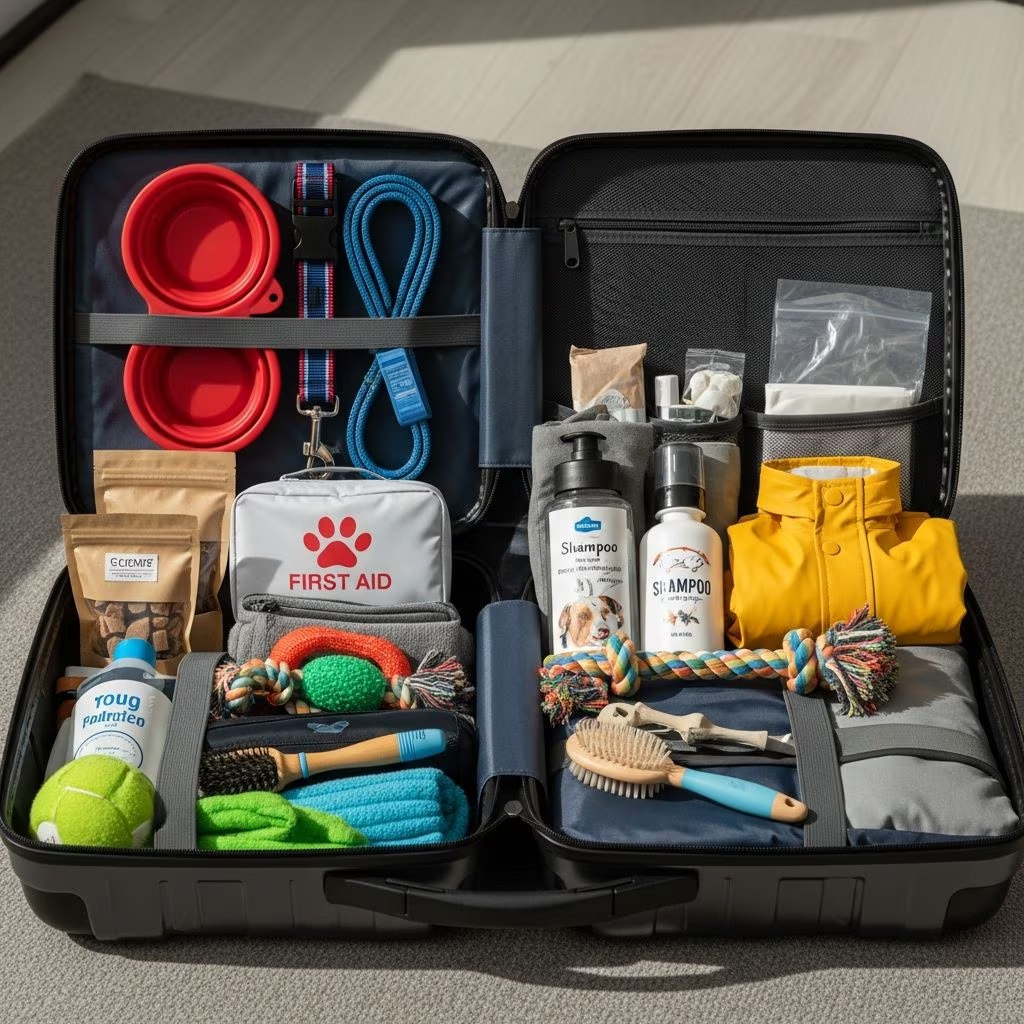
Traveling with your dog opens up incredible opportunities for bonding and exploration, but it requires thoughtful preparation to keep both you and your pet safe and comfortable. This guide provides a complete roadmap for packing, covering everything from health prerequisites to adventure-specific gear, ensuring smooth trips whether you’re hitting the road, boarding a plane, or heading into the wilderness.
Pre-Trip Health and Documentation Essentials
Before any journey, prioritize your dog’s well-being by scheduling a veterinary check-up. Confirm vaccinations are current, including rabies and any region-specific shots like bordetella for boarding or travel areas with high disease risk. A health certificate, valid within 10 days of departure for air travel, proves your dog is fit to fly or cross borders.
Gather all paperwork: vaccination records, microchip details (ensure it’s registered with updated contact info), and prescription refills for medications. Update ID tags with your cell phone and temporary destination address. Research local vets and emergency clinics at stops or your endpoint for peace of mind.
- Current vaccination proof and health certificate
- Microchip info and monitoring service contact
- Prescription meds with extra supply
- Recent photo of your dog for identification
- Pet insurance details if applicable
Core Packing Categories for Every Trip
Organize your packing into reliable categories to avoid forgetting critical items. Start with sustenance, then move to safety, comfort, and cleanup tools. Use dedicated pet bags or bins for easy access.
Food, Water, and Feeding Gear
Maintain your dog’s routine diet to prevent tummy upset—pack enough dry kibble or wet food for the full trip plus extras. Include high-value treats for motivation during stressful moments like carrier loading. Collapsible bowls save space, and a filtered water bottle keeps hydration fresh.
| Item | Quantity Recommendation | Purpose |
|---|---|---|
| Dry/wet food | Full trip + 2 days extra | Consistent nutrition |
| Treats | Variety pack | Rewards and distraction |
| Collapsible bowls | 2 (food + water) | Portable feeding |
| Water bottle | 1 insulated | Fresh hydration |
Restraints and Safety Harness
Secure your dog properly based on travel mode. For cars, use a crash-tested harness clipped to the seatbelt or a bolted crate. Leashes should be durable—pack multiples, including a hands-free option and reflective one for dusk walks. Harnesses distribute pressure better than collars, reducing injury risk.
- Crash-tested car harness/seatbelt
- Extra leash and collar set
- Reflective or LED collar light
- Life jacket for water activities
Comfort and Entertainment Items
Familiar scents reduce anxiety, so bring your dog’s favorite blanket, bed, or toy. Soft crate pads and cooling mats help in warm climates. Chew toys and puzzle feeders keep boredom at bay during long hauls.
For multi-day stays, pack machine-washable bedding to protect rentals. A portable fan or cooling vest combats heat stress.
Cleanup and Grooming Kit
Dogs get messy fast—stock up on waste bags, grooming wipes, and a towel for muddy paws. Brushes remove burrs from hikes, while nail clippers and ear cleaner maintain hygiene. Enzymatic cleaners handle accidents discreetly.
- Poop bags (multiple rolls)
- Grooming wipes and brush
- Absorbent towels (2-3)
- Pet-safe shampoo and dryer
- Enzymatic odor eliminator
Tailored Checklists by Travel Mode
Road Trips: Car-Specific Preparations
Driving allows flexibility but demands vehicle safety. Cover seats with waterproof protectors to contain shedding and spills. Window shades prevent sunburn, and frequent stops every 2-3 hours allow potty breaks and leg stretches. Pack a car barrier if multiple pets or kids are aboard.
Monitor for motion sickness with vet-approved meds, and keep a spill kit handy.
| Car Essential | Why It Matters |
|---|---|
| Seat covers/hamper | Protects upholstery |
| Window shades | UV protection |
| Car barrier | Safety divider |
| Motion sickness aids | Comfort on curves |
Flying with Your Dog: Airport and Cabin Tips
Airlines have strict pet policies—review them early and book pet spots. Small dogs fit in approved under-seat carriers; larger ones may go cargo. In carry-on, pack meals in security-friendly rolls and a fan for stuffy cabins. Know pet relief zones at layovers.
- Airline-approved carrier
- Pet policy printout
- Quiet toys for noise
- Calming pheromone spray
Camping and Outdoor Escapades
Wilderness trips need rugged gear: paw booties shield from hot coals or thorns, tick preventives are vital, and a raised cot keeps dogs off damp ground. Blaze orange vests ensure visibility during hunts or busy trails. Insect repellent (pet-safe) wards off bugs.
Firefly lanterns or collar lights aid nighttime potty runs.
Advanced Safety and Emergency Preparedness
Assemble a pet first-aid kit with bandages, antiseptic, tweezers for ticks, and styptic powder for claw trims. Learn basic CPR for dogs via Red Cross resources. Apps like Pet First Aid provide step-by-step guidance.
For hot climates, frozen treats cool pups; in cold, insulated coats preserve warmth. Always test new gear pre-trip to avoid reactions.
| Kit Item | Use Case |
|---|---|
| Antihistamine (vet-dosed) | Bee stings, allergies |
| Gauze and tape | Wound wrapping |
| Digital thermometer | Fever checks |
| Scissors/tweezers | Splinter/tick removal |
Stress Reduction Strategies On the Go
Exercise before departure tires out energetic dogs. Play calming music or use anxiety wraps during transit. Gradual crate training builds positive associations. At destinations, stick to routines for meals and walks to signal normalcy.
Frequently Asked Questions (FAQs)
Can puppies travel long distances?
Puppies over 8 weeks can travel, but consult a vet for very young ones. Avoid extreme temps and ensure frequent feeds.
What if my dog hates carriers?
Start desensitization weeks ahead with treats inside. Use soft-sided options and cover for security.
How much water does my dog need daily?
About 1 ounce per pound of body weight; more in heat or activity.
Are there breed-specific travel tips?
Brachycephalic breeds (e.g., Bulldogs) struggle with heat and flights—opt for ground travel.
What to do if my dog gets lost?
Use microchip, photo, and local shelters. Post on apps like Petco Love Lost.
With this guide, your travels become shared adventures filled with tail wags. Customize lists to your dog’s needs and destination for optimal results.
References
- Bringing Your Pet on Vacation? Use Our Dog Travel Checklist — U.S. Department of Agriculture Animal and Plant Health Inspection Service. 2023-05-15. https://www.aphis.usda.gov/pet-travel/travel-checklist
- Pet Travel — Centers for Disease Control and Prevention. 2025-01-10. https://wwwnc.cdc.gov/travel/page/pet-travel
- Traveling with Your Pet — American Veterinary Medical Association. 2024-08-22. https://www.avma.org/resources-tools/pet-owners/petcare/traveling-your-pet
- Dogs — Transportation Security Administration. 2025-11-30. https://www.tsa.gov/travel/security-screening/whatcanibring/items/dogs
- Pet-Safe Travel: Tips from ASPCA Experts — American Society for the Prevention of Cruelty to Animals. 2024-03-05. https://www.aspca.org/pet-care/general-pet-care/pet-safe-travel



