

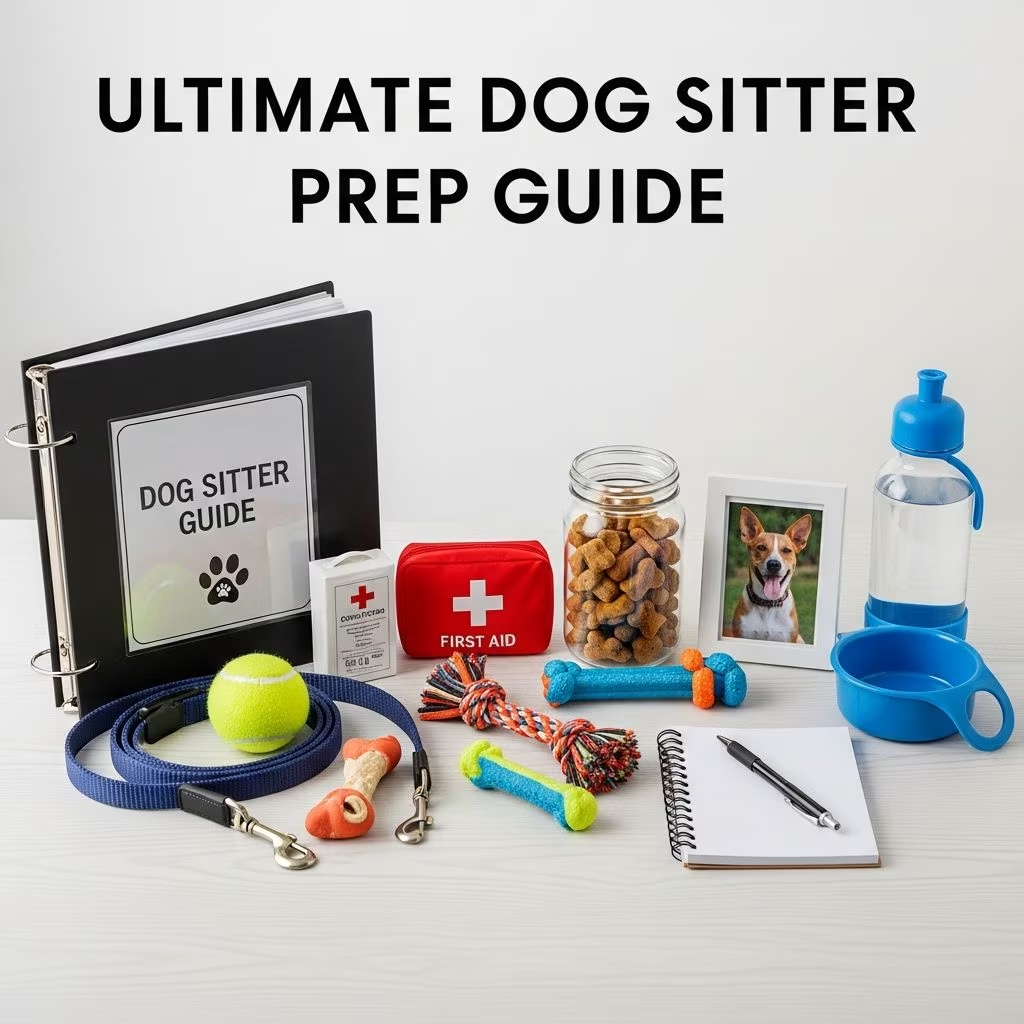
Leaving your dog with a sitter requires thorough preparation to maintain their health, happiness, and security. This guide provides a step-by-step approach to creating a foolproof plan, drawing from expert recommendations to cover every essential detail.
Selecting a Reliable Dog Sitter
Choosing the right sitter is the foundation of successful pet care. Start by verifying credentials to ensure professionalism and accountability.
- Confirm they hold a valid business license, which indicates compliance with local regulations.
- Check for insurance and bonding to protect against accidents or theft.
- Request and contact at least three references from past clients to gauge reliability and care quality.
- Review a detailed contract outlining services, fees, responsibilities, and cancellation policies.
- Conduct an in-person meet-and-greet with your dog to observe interactions and compatibility.
Professional sitters often specialize in in-home care, visiting multiple times daily or staying overnight to mimic your routine. Platforms like Care.com emphasize the importance of these checks for safety.
Compiling Vital Pet Health Records
A dedicated folder of health documents empowers your sitter to handle emergencies confidently. Assemble these items in an accessible binder or digital file shared via secure app.
| Document | Purpose | Location/Details |
|---|---|---|
| Veterinarian contact info | Primary emergency resource | Phone, address, after-hours line |
| Immunization records | Proof of vaccinations | Latest rabies, distemper, etc. |
| Microchip number | Identification if lost | Registry details and scanner info |
| Pet insurance policy | Coverage for incidents | Policy number and claims process |
| Allergies and conditions | Avoid triggers | Food, environmental, medical history |
Include photos of your dog for identification. The American Kennel Club stresses microchip info as crucial for reuniting lost pets.
Detailing Daily Feeding and Medication Routines
Consistency in nutrition prevents digestive issues and anxiety. Provide precise instructions to replicate your schedule.
- Specify food type (dry, wet, raw), brand, portion sizes per meal using a measuring scoop.
- Outline feeding times, e.g., 7 AM breakfast, 6 PM dinner, with fresh water always available.
- List safe treats, frequency, and any restrictions like no human food or specific allergens.
- Supply medications with dosages, timing, administration method (pill pocket, liquid), and storage.
- Stock extra food for extended stays and note bowl locations.
Sitters report that clear feeding plans reduce stress, as dogs thrive on predictability.
Mapping Out Exercise and Play Schedules
Physical activity keeps your dog mentally stimulated and physically fit. Tailor instructions to their energy level and preferences.
- Describe walk routes, duration (e.g., 30 minutes morning, 45 evening), and pace.
- Note leash etiquette, recall reliability, and encounters with other dogs or people.
- Highlight favorite toys, games (fetch, tug), and play areas like fenced yards.
- Include potty break frequency and signals (sniffing, circling).
- Schedule nap times or quiet periods for high-energy breeds.
Exercise details help maintain training progress, such as socialization or boundary enforcement.
Addressing Behavioral Traits and Preferences
Every dog has unique quirks; transparency prevents mishaps and builds trust.
- Disclose fears (thunder, fireworks, strangers) and triggers (loud noises, bikes).
- Explain reactions to children, men, other animals, or separation anxiety signs.
- Share comfort items like specific beds, blankets, or background music/TV.
- Note training status: commands known, ongoing issues like jumping or barking.
- Describe normal vs. abnormal behaviors, e.g., pacing indicates distress.
Time To Pet advises including personality profiles for personalized care.
Securing Your Home Environment
Protect your dog and property by hazard-proofing before departure.
- Secure gates, repair fence gaps, and block off unsafe areas like pools or stairs.
- Store toxins (cleaners, meds, rodenticides) in locked cabinets.
- Hide valuables and provide access instructions for mail, lights, thermostat.
- Supply cleaning supplies, waste bags, and accident protocols.
- Install cameras or apps for remote monitoring if agreed upon.
Pre-trip walkthroughs with the sitter clarify house rules.
Emergency Protocols and Contacts
Prepare for the unexpected with a clear action plan prominently displayed.
- List primary vet, 24/7 clinic, and backup emergency hospital.
- Include your secondary phone, nearby friend/family contacts.
- Outline when to call: injuries, refusal to eat, lethargy, vomiting.
- Provide authorization for treatment and payment methods.
- Share poison control hotline: ASPCA at (888) 426-4435.
Earth Rated templates recommend laminated emergency sheets.
Practical Supplies Checklist
Assemble a kit for seamless care.
- Collar/ID tag with current contacts, spare leash/harness.
- Food/water bowls, toys, chews, bedding.
- Poop bags, grooming tools, waste disposal info.
- Keys/alarm code in secure envelope.
- Photos, video of routines for reference.
Stock enough for the full period plus extras.
Building a Strong Sitter Relationship
Foster open communication for repeat success.
- Schedule pre-stay meetings to review instructions and answer questions.
- Use apps for daily photo/video updates and logs.
- Discuss payment, extras (additional walks), and feedback post-stay.
- Express appreciation with tips or treats.
Rover highlights communication as key to long-term partnerships.
Frequently Asked Questions
How far in advance should I hire a dog sitter?
Book 2-4 weeks ahead, especially holidays; meet 1 week prior.
What if my dog has separation anxiety?
Provide comfort items, gradual desensitization tips, and vet-approved aids.
Can sitters handle multiple pets?
Confirm experience; provide individual routines.
How much to tip a dog sitter?
15-20% of fee or $20-50/day based on service level.
Is overnight sitting better than drop-ins?
Overnight offers constant supervision, ideal for puppies/seniors.
Final Preparation Tips
Exercise your dog pre-departure, spend extra affection time, and leave positive notes. Test instructions with a friend for clarity. This comprehensive prep ensures peace of mind.
References
- The ultimate dog sitter checklist — Care.com. 2023-05-15. https://www.care.com/c/the-ultimate-dog-sitter-checklist/
- Dog Sitter Checklist | Questions to Ask a Dog Sitter — Whole Dog Journal. 2024-02-10. https://www.whole-dog-journal.com/lifestyle/dog-sitter-checklist/
- The Complete Checklist for Dog Sitting Professionals — Time To Pet. 2023-11-20. https://www.timetopet.com/blog/dog-sitting-checklist
- Guide to Using a Pet Sitter: Checklist & Tips — Community Pet Care Hospital. 2024-01-08. https://communitypetcarehospital.com/news/pet-sitter-checklist
- A Checklist To Get Ready for the Dog Sitter — Rover.com. 2023-09-12. https://www.rover.com/blog/prepare-dog-for-sitter/
- Free Printable Dog Sitter Checklist Template — Earth Rated. 2023-07-30. https://www.earthrated.com/blogs/blog/free-printable-dog-sitter-checklist-template



