

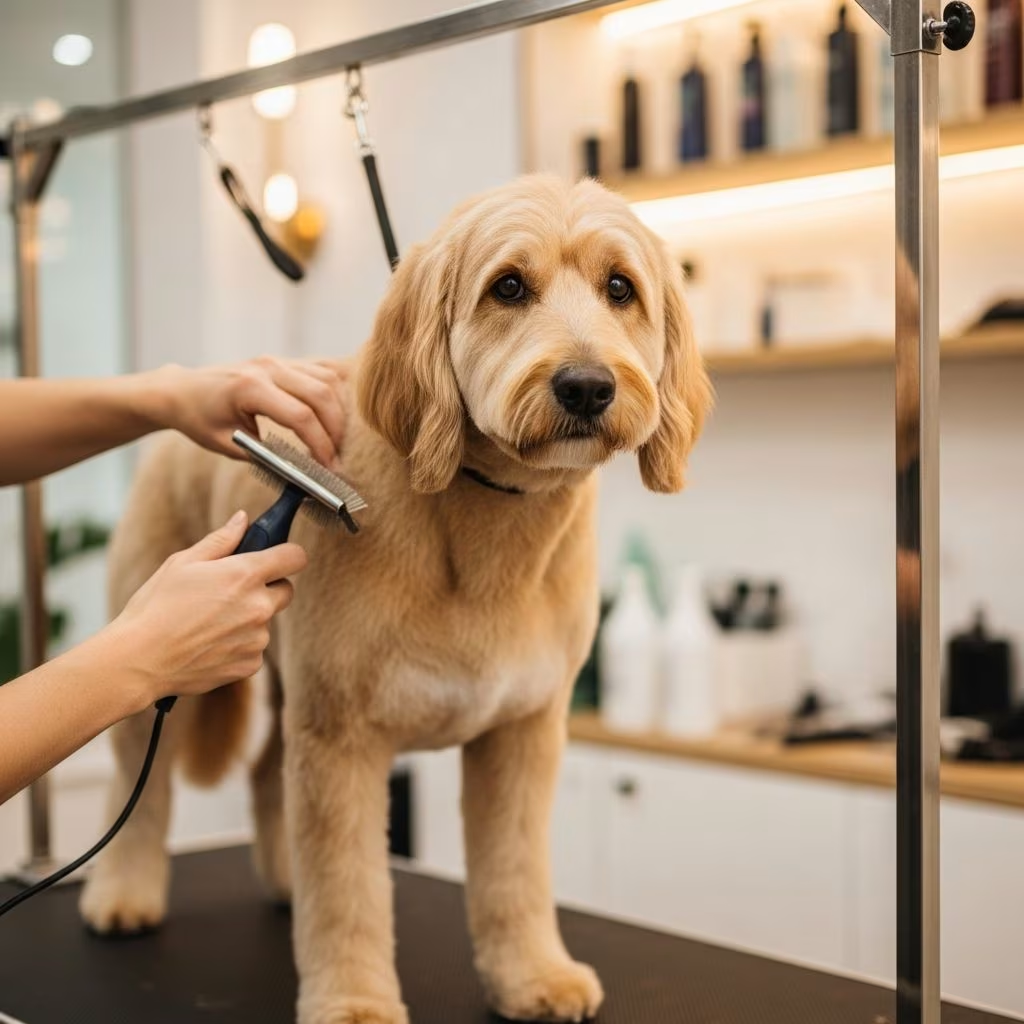
Regular grooming is one of the most important aspects of dog care, extending far beyond simple aesthetics. A well-maintained coat protects your dog’s skin, prevents painful matting, reduces shedding around your home, and allows you to spot potential health issues early. Whether you’re a new dog parent or an experienced owner looking to refine your grooming routine, this comprehensive guide will walk you through everything you need to know about keeping your four-legged friend looking and feeling their best.
Understanding Your Dog’s Grooming Needs
Every dog has unique grooming requirements based on their breed, coat type, age, and lifestyle. Understanding these individual needs is the foundation of an effective grooming routine. A healthy coat starts from within, beginning with proper nutrition and a consistent grooming schedule. Your dog’s breed is usually the best indicator of grooming frequency. Long-haired breeds require daily brushing to keep them clean, tangle-free, and free from painful mats. Shorter-coated breeds typically need thorough brushing once a week, though those with active outdoor lifestyles may require more frequent attention.
The Three Foundational Phases of Grooming
Every successful grooming session follows the same three foundational phases that provide structure and clarity to your routine, regardless of breed or coat type:
- Coat Preparation: This initial phase includes pre-brushing, pre-trimming if needed, bathing, and drying. It represents the first and most critical step in every grooming session.
- Clipper Work: Systematic cutting using clippers, performed in a specific order: body first, then legs, head, and finally sanitary work.
- Scissor Work: Detailed finishing touches using scissors for precision and polish, followed by final brushing and combing.
By understanding and organizing your tools, products, and techniques within these three categories, you’ll create a smoother experience for your dog and develop a more efficient, confident workflow for yourself.
Coat Preparation: The Foundation of Quality Grooming
Pre-Brushing and Assessment
Before any bathing begins, thorough pre-brushing is essential. This step removes loose hair, detects mats or tangles, and allows you to assess your dog’s overall coat condition. Use appropriate brushes for your dog’s coat type—slicker brushes work well for most coats, while undercoat rakes are invaluable for double-coated breeds. Regular brushing should be done weekly, increasing to daily during peak shedding seasons.
Bathing Rituals and Best Practices
A clean coat is a happy coat. Regular bathing not only keeps the fur in top condition but also helps prevent knotting, which means a more stress-free grooming experience overall. However, bathing frequency varies by breed and coat type. Some breeds, such as Poodles, may require bathing multiple times weekly during puppyhood, while others benefit from less frequent washing. The key is finding the right balance for your specific dog.
When bathing your dog, use lukewarm water and high-quality dog shampoo suited to their coat type. Thoroughly wet the coat, work shampoo from head to tail, and rinse completely to prevent residue buildup. Take care around sensitive areas like the eyes and ears. After shampooing, consider using a conditioner to keep the coat soft and manageable, especially for long-haired breeds.
Drying Techniques
Proper drying is absolutely essential and often overlooked. Using a high-velocity dryer without heat is vital to avoid overheating your dog, particularly for very hairy breeds. Always use the dryer in the direction of the fur to prevent matting. Professional groomers recommend using cold air blasters even on non-bathing days to remove dead skin, dirt, and to give your dog’s skin a general inspection. Drying not only prevents bacterial growth but also eliminates conditions that can lead to hotspots and other skin issues.
Breed-Specific Grooming Techniques
Each breed has its own unique grooming requirements, and understanding these nuances is key to success. Grooming styles will change as your puppy grows into an adult dog and their fur changes texture and thickness.
Long-Haired Breeds
Breeds like Shih Tzus, Standard Poodles, and other long-haired dogs require meticulous attention. Preparation for showing or maintaining show-quality grooming can take anywhere from three to seven hours, involving washing, combing out, and fine-tuning with scissors. Even for pet owners not showing their dogs, establishing a protective banding style for everyday life helps prevent damage and maintains coat integrity.
Double-Coated Breeds
Double-coated dogs like Newfoundlands and Bernese Mountain Dogs require regular brushing, bathing, and potentially professional grooming to manage their undercoat and prevent matting. Common areas prone to matting include legs, chest, neck, behind the ears, and the bottom. It’s always advisable to find an experienced groomer who can use the right equipment to thin out the dead undercoat without causing any damage. Professional groomers should be booked every eight weeks to help stay on top of mats and maintain coat health.
Short-Haired Breeds
Shorter-coated breeds like Shiba Inus may require less intensive grooming. A thorough bath and dry cycle may take only about an hour, including drying time. However, regular brushing and attention to detail in other areas remain important for overall health and appearance.
Clipper Work: The Systematic Approach
Clipper work should always be performed in a specific, organized order to ensure efficiency and prevent mistakes. Follow this sequence:
- Begin with all clipper work on the body first, which may be a different length than work on the legs
- Move to the legs, maintaining consistency throughout
- Progress to the head and facial areas, taking extra care around sensitive features
- Finish with sanitary clipper work, using a 10 blade as the safe choice in these delicate areas
- Finally, shave the paw pads, saving this step for last to prevent overtrimming
Breaking clipper work into focused sections starting with the body, then moving to the tail, legs, head, and ears helps maintain organization and ensures a clean, precise result throughout the grooming session.
Scissor Work and Finishing Details
Scissor work represents the fine-tuning phase where artistry meets technique. This is where you achieve that picture-perfect finish through careful, detailed cutting. Follow your clipper work with a final brush through and then a comb through to fluff the coat and ensure every detail is precisely positioned.
Every element contributes to the overall presentation. From perfectly manicured nails to flawless ear grooming, judges and observers notice the little things. A well-groomed dog is a testament to the owner’s or handler’s dedication, and it’s also a dead giveaway in terms of the overall health of the dog. You really have to keep an eye on the ears, teeth, and eyes to ensure your dog is in tip-top shape from top to tail.
Specialized Grooming Considerations
Paw and Foot Care
Keeping the fur between the toes trimmed short stops mats from forming and allows you to see any foreign bodies going into the toes, such as grass seeds. This simple maintenance prevents discomfort and potential infections. Regular paw inspections are crucial, especially for active dogs.
Ear Grooming
Ear care is often neglected but critically important. Ticks love to hide in thick coats, so checking your dog after every walk is vital. Regular ear cleaning and hair trimming inside the ears prevents infections and improves overall ear health. This is particularly important for breeds with floppy or hair-covered ears.
Nail Maintenance
Regular nail trimming is essential for your dog’s comfort and health. Long nails can cause discomfort when walking and may lead to joint issues. Trim nails every 4-6 weeks, or when you hear them clicking on hard floors. Use proper dog nail clippers and take care not to cut into the quick, the sensitive part inside the nail.
Finding the Right Balance: When to DIY vs. Professional Grooming
While many grooming tasks can be performed at home, professional grooming offers significant benefits, particularly for complex coat types or show preparation. A well-groomed dog is a confident dog, and ensuring that your dog feels comfortable throughout the grooming process is just as important, if not more so, than aesthetics. Not all dogs adjust equally well to grooming equipment, so keeping your dog relaxed and stress-free should be a priority.
Professional groomers have specialized training, equipment, and experience managing dogs with various temperaments and coat types. They can identify skin issues, parasites, or health concerns that might be missed during home grooming. For double-coated breeds, booking professional grooming every eight weeks helps prevent serious matting and maintains optimal coat health.
The Natural Approach to Show Grooming
All breeds should be shown as naturally as possible. If you’re applying excessive products that change the dog’s coat, you’re not presenting the true dog in the ring. This philosophy applies equally to everyday grooming and showing. Focus on enhancing your dog’s natural features rather than masking them with products. A healthy, well-brushed coat needs minimal product enhancement to look its absolute best.
Common Grooming Problem Areas
Certain areas of your dog’s body are more prone to problems and require special attention:
- Behind the ears: Hair often mats in this area due to ear movement and moisture. Regular brushing and trimming prevent painful tangles.
- Chest and neck: These areas develop mats from collar friction and movement. Regular maintenance prevents matting.
- Legs and paws: Mud, water, and active movement make these areas mat-prone. Trim fur between toes and dry thoroughly after outdoor activities.
- Bottom and rear: These areas mat easily and require regular attention and occasional professional thinning.
Creating Your Grooming Schedule
| Coat Type | Brushing Frequency | Bathing Frequency | Professional Grooming |
|---|---|---|---|
| Long-Haired | Daily | Weekly to Bi-weekly | Every 4-6 weeks |
| Double-Coated | Weekly, Daily During Shedding | Every 4-8 weeks | Every 8 weeks |
| Short-Haired | Weekly | Every 8-12 weeks | As needed |
| Curly/Wiry | Daily | Every 3-4 weeks | Every 6-8 weeks |
Frequently Asked Questions (FAQs)
Q: How often should I bathe my dog?
A: Bathing frequency depends on your dog’s breed, coat type, and lifestyle. Most dogs benefit from bathing every 4-12 weeks, though some breeds like Poodles may need bathing weekly. Dogs with active outdoor lifestyles may need more frequent baths. Always use lukewarm water and dog-specific shampoo to avoid drying out their skin.
Q: What’s the best tool for brushing my dog’s coat?
A: The best brush depends on your dog’s coat type. Slicker brushes work well for most coats, reaching close to the skin. Undercoat rakes are essential for double-coated breeds to remove dead undercoat. For long-haired breeds, a combination of tools including dematting combs and pin brushes provides the most effective grooming.
Q: Can I use human shampoo on my dog?
A: No, human shampoo is not suitable for dogs. Dogs have different skin pH levels than humans, and human products can dry out their skin, cause irritation, and damage their coat. Always use shampoos specifically formulated for dogs.
Q: How do I prevent matting in my dog’s coat?
A: Regular brushing is the primary prevention method. Brush long-haired and double-coated dogs daily, paying special attention to areas prone to matting like behind the ears, the chest, and the rear end. Ensure your dog is completely dry after bathing, and consider professional grooming every 6-8 weeks for high-maintenance coats.
Q: When should I take my dog to a professional groomer?
A: Professional grooming is beneficial for dogs with complex coat types, those preparing for shows, dogs with behavioral challenges around grooming, or when you lack time or confidence for at-home grooming. Many owners schedule professional grooming every 4-8 weeks as part of regular maintenance.
Q: How do I dry my dog after bathing?
A: Use a high-velocity dryer with cold air rather than hot, as this prevents overheating and matting. Direct the airflow in the direction of the hair growth. For very hairy breeds, consider using a pet dryer designed for dogs. Thorough drying prevents bacterial growth and skin issues like hotspots.
Q: What should I do about my dog’s nails?
A: Trim your dog’s nails every 4-6 weeks or when you hear them clicking on hard floors. Use dog-specific nail clippers, and be careful not to cut into the quick (the pink part inside the nail). If you’re uncomfortable doing this yourself, ask your veterinarian or professional groomer to handle nail care.
Mastering Your Grooming Foundation
Mastering the fundamentals of dog grooming is more than just learning a haircut. It’s about building a solid grooming foundation that supports your dog’s health, comfort, and happiness. Whether you’re maintaining your dog’s coat at home or working with a professional groomer, understanding these core principles ensures your dog receives the best possible care. Each brushstroke is a stroke of love, and each scissor cut is a testament to your dedication to your dog’s wellbeing. Remember that every dog deserves their moment in the spotlight, shining with a healthy, well-maintained coat that reflects the care and attention they receive from their devoted owner.
References
- Crufts 2025: Top Grooming Tips From The Professionals — Kinship. 2025. https://www.kinship.com/uk/dog-health/crufts-professional-grooming-tips
- Understanding Dog Double Coats: A Complete Care Guide for UK — Kinship. 2025. https://www.kinship.com/uk/dog-health/double-coat-grooming-guide-uk
- A Guide to Grooming Your Dog at Home: A Handy Guide — Purina UK. 2025-04-03. https://www.purina.co.uk/articles/dogs/health/daily-care/dog-grooming
- Dog Grooming-Guide for Beginners Instructional video — YouTube. https://www.youtube.com/watch?v=Ni1yyrD2Bi0



