

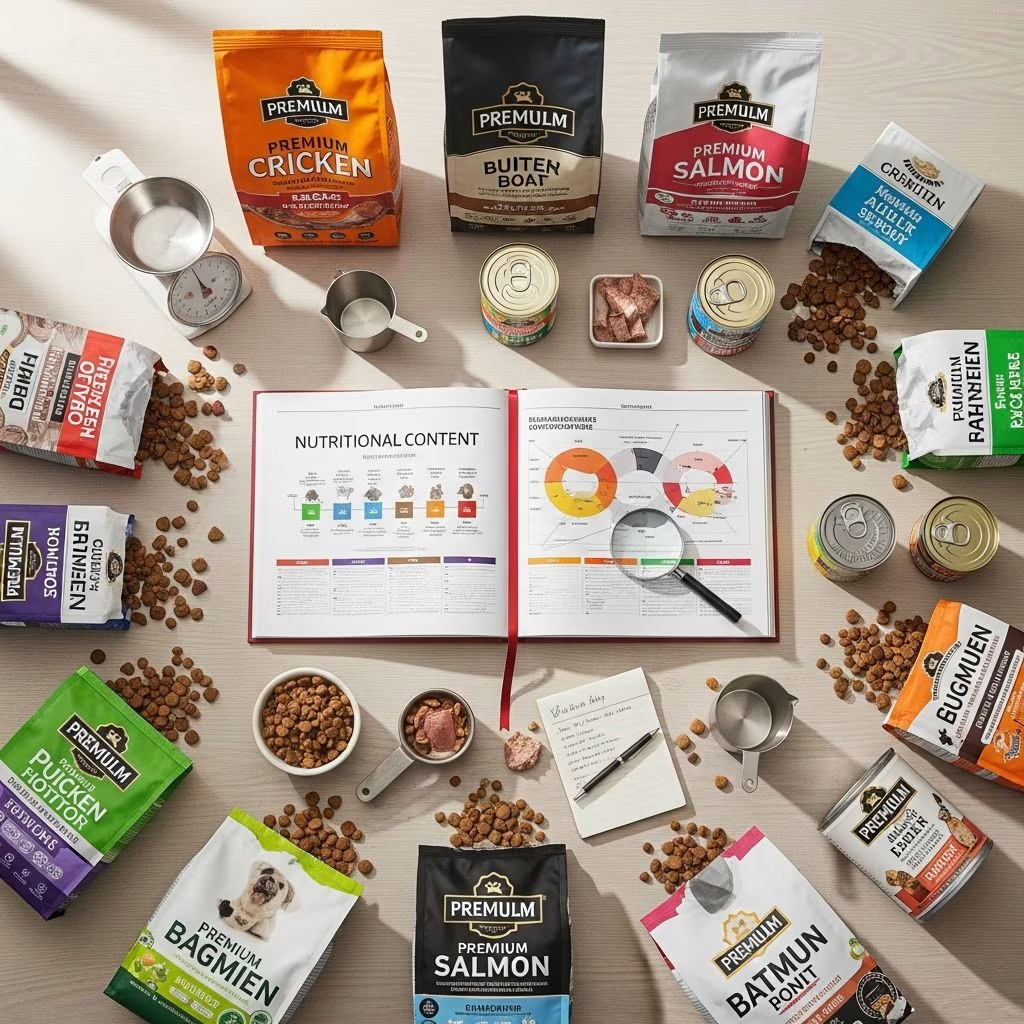
Selecting the right dog food involves evaluating multiple elements such as your pet’s life stage, physical characteristics, daily energy expenditure, and personal dietary tolerances. This guide breaks down essential comparison criteria to help you make informed choices that support long-term vitality and happiness for your canine companion.
Matching Food to Your Dog’s Life Stage
Dogs progress through distinct phases—puppyhood, adulthood, and seniority—each demanding tailored nutrition to foster growth, sustain energy, and address age-specific challenges. Puppies require nutrient-dense meals to build strong bones and muscles, while mature dogs focus on maintenance, and seniors prioritize joint support and organ function.
Puppy Nutrition Essentials
From weaning until around 12 months, puppies grow rapidly, necessitating higher levels of protein, fats, and minerals like calcium and phosphorus for skeletal development. Formulas designed for this stage often feature smaller kibble sizes for easier chewing and DHA for brain and vision enhancement. According to veterinary guidelines, puppy foods should meet elevated standards for these nutrients to prevent deficiencies during critical growth windows.
- High protein (22-32%) from quality animal sources for muscle formation.
- Increased fat content for energy during play and exploration.
- Balanced minerals to regulate bone growth rates.
Adult Dog Dietary Needs
Once reaching full maturity, typically between 1-7 years depending on breed size, dogs shift to maintenance diets that preserve lean body mass and support immune health. These formulas balance proteins around 18-25%, moderate fats, and carbohydrates for steady energy release. Activity levels play a key role here, with working breeds needing more calories.
Senior Dog Support Formulas
Dogs aged seven and older benefit from adjusted recipes that combat common issues like reduced metabolism, arthritis, and cognitive decline. Look for glucosamine, chondroitin, and antioxidants, alongside controlled calorie levels to manage weight. Protein remains vital but in highly digestible forms to ease kidney workload.
Breed Size and Activity Level Influences
Not all dogs are created equal; breed-specific traits like size and energy demands necessitate customized feeding strategies. Small breeds metabolize food faster, requiring calorie-dense options, whereas giants need joint-protective, slower-release energy sources.
| Breed Size | Key Nutritional Focus | Recommended Features |
|---|---|---|
| Small (e.g., Chihuahua, Yorkie) | High metabolism, dental health | Small kibble, omega fatty acids, moderate calories |
| Medium (e.g., Beagle, Bulldog) | Balanced energy, coat shine | Protein-rich, fiber for digestion |
| Large/Giant (e.g., Labrador, Great Dane) | Joint care, controlled growth | Glucosamine, lower calcium/phosphorus ratios |
Activity profoundly impacts caloric needs. High-energy dogs like herding or sporting breeds thrive on elevated protein and fat for muscle repair, while sedentary companions require lower-fat recipes to avoid obesity.
Forms of Dog Food: Dry, Wet, and Beyond
Dog food comes in various formats, each with unique production methods, benefits, and drawbacks. Understanding these helps align choices with your dog’s preferences and lifestyle.
Dry Kibble Advantages and Drawbacks
Produced via extrusion—mixing, cooking, and shaping ingredients into pellets—dry food offers convenience and dental abrasion benefits. It typically includes 30-60% carbohydrates from grains like rice or corn for sustained energy, with high digestibility in most dogs.
- Pros: Affordable, long shelf life, promotes teeth cleaning.
- Cons: Low moisture (may increase thirst), potential fillers.
Wet Food for Palatability and Hydration
Canned or pouched wet foods, cooked and sealed for preservation, provide 75-85% moisture, aiding hydration especially for older or ill dogs. They excel in flavor appeal for picky eaters but spoil quicker once opened.
- Pros: High palatability, softer texture, natural moisture.
- Cons: Higher cost, shorter shelf life, possible additives like carrageenan.
Emerging Options: Air-Dried and Frozen
Air-dried foods use low-heat dehydration to retain nutrients and eliminate pathogens without preservatives, offering a middle ground between raw and kibble. Frozen cooked meals mimic home-prepared nutrition, thawed for serving, ideal for fresh-focused owners.
Ingredient Breakdown: Proteins, Carbs, and Special Diets
Labels reveal much about quality. Prioritize named meats as primary ingredients for protein, followed by digestible carbs and fats. AAFCO standards ensure completeness, mandating minimums like 18% protein for adults.
Protein Priorities
Animal-based proteins supply essential amino acids; first-listed meats indicate higher inclusion. Consult vets for needs like higher taurine in certain breeds.
Carbohydrates Clarified
No minimum carb requirement exists, but they fuel energy. Grains provide fiber and prebiotics; grain-free options suit allergies but monitor for heart risks like DCM.
| Carb Type | Sources | Benefits |
|---|---|---|
| Simple Sugars | Fruits, honey | Quick energy, highly digestible |
| Polysaccharides | Grains, potatoes | Sustained energy, fiber |
| Fiber | Bran, apples | Gut health, fermentation support |
Grain-Free and Natural Choices
Grain-free diets replace grains with legumes or veggies, beneficial for sensitivities but linked to potential taurine deficiencies. Natural labels emphasize minimal processing and whole foods.
Practical Comparison Strategies
Compare brands by scanning for AAFCO statements, guaranteed analysis (protein/fat minimums, fiber max), and ingredient lists without vague “by-products.” Consider cost per pound, your dog’s taste tests, and vet input for allergies or conditions.
- Calculate daily cost based on feeding guidelines.
- Test transitions gradually over 7-10 days.
- Monitor stool quality, energy, and coat as indicators.
FAQs on Dog Food Selection
What percentage of protein should adult dog food have? Aim for at least 18-25%, primarily from animal sources for bioavailability.
Is wet food better than dry? Neither is universally superior; wet aids hydration, dry supports dentals—mixing often works best.
Should I choose grain-free? Only if allergies exist; otherwise, grains are nutritious and economical. Vet consultation advised due to health concerns.
How often to switch foods? Stick to one unless health changes dictate; abrupt switches cause digestive upset.
Are breed-specific foods necessary? Helpful for targeted needs but not essential—focus on size/activity first.
Key Takeaways for Smart Choices
Empower your dog’s well-being by aligning food with life stage, size, activity, and tolerances. Regular vet check-ups refine selections, ensuring nutrition evolves with your pet.
References
- Dog Food Comparison — Purina. 2023. https://www.purina.com/articles/dog/feeding/guides/dog-food-comparison
- Dog Nutrition: Guide to Dog Food Nutrients — PetMD. 2024. https://www.petmd.com/dog/nutrition/evr_dg_whats_in_a_balanced_dog_food
- Types of Dog Food: A Helpful Guide — Good Dog People. 2023. https://gooddogpeople.com/blogs/dog-talk/types-of-dog-food-a-helpful-guide
- The Pros & Cons of 6 Types of Dog Food — Just Food For Dogs. 2024. https://blog.justfoodfordogs.com/types-of-dog-food.html
- The Ultimate Guide to Choosing the Right Dog Food for Your Breed — Brown Veterinary Hospital. 2023. https://brownvethospital.com/blog/how-to-choose-dog-food/
- Choosing the right food for your dog or cat — Animal Humane Society. 2024. https://www.animalhumanesociety.org/resource/choosing-right-food-your-dog-or-cat



