
Ulcerative Enteritis In Poultry: 6 Key Prevention Measures
Essential guide to recognizing, managing, and preventing ulcerative enteritis in quail, chickens, and other birds for healthier flocks.
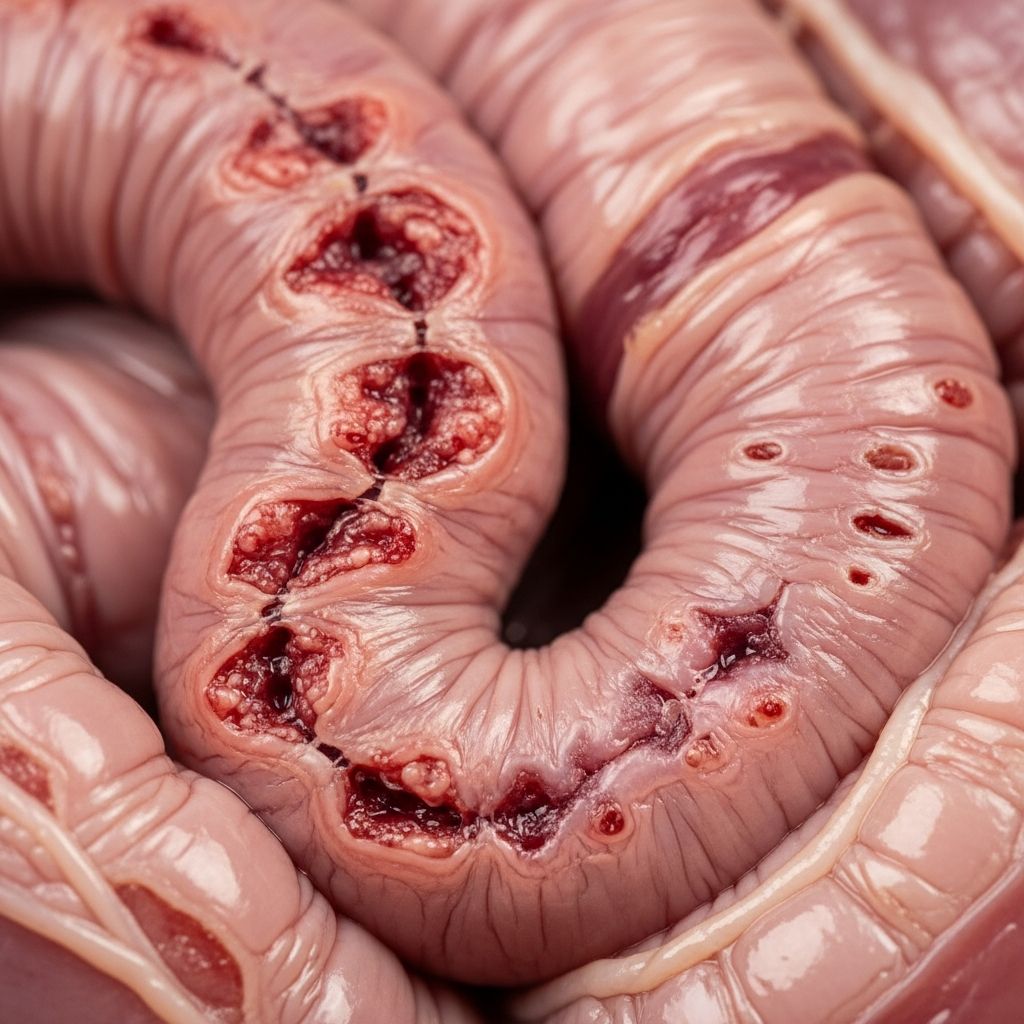
Ulcerative enteritis represents a significant bacterial infection impacting various poultry species, particularly young quail, though it also affects chickens, turkeys, and wild birds. Caused primarily by the bacterium Clostridium colinum, this condition leads to severe intestinal damage, liver necrosis, and high mortality rates in susceptible flocks. Early recognition and intervention are crucial for minimizing losses in commercial and backyard operations.
The Bacterial Culprit Behind Intestinal Devastation
Clostridium colinum is an anaerobic, gram-positive, spore-forming rod that thrives in the intestinal environment of birds. This pathogen measures about 1 × 3–4 micrometers, featuring subterminal oval spores that enable long-term survival in contaminated environments. Infection typically occurs through oral ingestion of spores from fecally contaminated feed, water, or direct contact with infected birds. Spores can persist for months or even years in soil, litter, or poorly disinfected housing, posing a persistent threat to new flocks.
Once ingested, the bacteria adhere to the mucosal lining of the small intestine and ceca. They produce toxins that erode the villi, forming initial pinpoint hemorrhages that progress to deep ulcers. These lesions often feature a characteristic pale yellow halo surrounding hemorrhagic areas. In severe cases, ulcers perforate the intestinal wall, leading to peritonitis—a life-threatening inflammation of the abdominal cavity. From the intestines, bacilli enter the bloodstream via the portal vein, seeding the liver with necrotic foci that coalesce into widespread hepatic damage. The spleen frequently enlarges with hemorrhagic infarcts, further compromising the bird’s health.
Symptoms and Disease Progression in Affected Flocks
The clinical presentation of ulcerative enteritis varies by species and disease stage. In highly susceptible bobwhite quail, the acute form strikes rapidly, often resulting in sudden death without prior warning signs. Mortality can approach 100% within 2–3 days, with dead birds showing no weight loss or obvious illness beforehand. Surviving quail may exhibit watery to hemorrhagic diarrhea, extreme lethargy, ruffled feathers, and a characteristic hunched posture.
In chickens and other game birds, symptoms tend to be milder and more chronic. Affected birds appear depressed, huddle together, and develop anorexia, leading to emaciation over 2–3 weeks. Diarrhea starts as watery white droppings but progresses to bloody stools, mimicking coccidiosis. Weight loss becomes evident as nutrient absorption fails due to intestinal ulcers, causing muscle wasting and reduced productivity.
- Acute phase indicators: Sudden deaths, hemorrhagic diarrhea, no premonitory signs (especially in quail).
- Chronic phase indicators: Lethargy, ruffled feathers, anorexia, emaciation, persistent diarrhea.
- Species-specific notes: Quail mortality 70–100%; chickens 2–10%.
Pathological Changes Visible at Necropsy
Postmortem examination reveals hallmark lesions that distinguish ulcerative enteritis from similar conditions. The small intestine, particularly the duodenum, shows multiple deep ulcers visible even from the serosal surface. These start as small, round hemorrhagic spots that merge into larger plaques covered by fibrinonecrotic membranes. In advanced cases, perforation leads to fibrinous peritonitis with yellow exudate in the abdomen.
The liver displays the disease’s signature: numerous yellow-gray necrotic foci scattered across the surface and parenchyma. These can be pinpoint or coalesce into irregular masses, reflecting bacterial dissemination. The spleen often appears enlarged, mottled with hemorrhages and necrotic areas. Intestinal contents are typically watery and blood-tinged in acute cases, while ceca may contain thickened, diphtheritic material in turkeys.
| Organ | Characteristic Lesions | Severity by Species |
|---|---|---|
| Small Intestine/Ceca | Deep ulcers with yellow halo, perforation, peritonitis | Quail: Severe; Chickens: Moderate |
| Liver | Multifocal/coalescing necrosis, yellow foci | All species: Prominent |
| Spleen | Enlargement, hemorrhagic infarcts | Quail/Chickens: Common |
Differentiating from Other Poultry Diseases
Ulcerative enteritis closely resembles coccidiosis, both presenting with diarrhea, blood in droppings, and intestinal damage. However, coccidiosis features oocysts in feces and schizonts in histopathology, absent in bacterial enteritis. Necrotic enteritis (caused by Clostridium perfringens) produces gas-filled intestines and diphtheritic membranes primarily in the midgut, differing from the ulcerative pattern here. Viral diseases like infectious bursal disease may predispose birds but lack the specific ulcers and liver foci.
Gram-stained smears from lesions reveal abundant rod-shaped gram-positive bacteria, confirming C. colinum. Predisposing factors include concurrent coccidiosis, immunosuppression from viruses, or stress from overcrowding, which lower intestinal integrity.
Laboratory Confirmation and Diagnostic Tools
Presumptive diagnosis relies on gross necropsy findings: serosal ulcers, hepatic necrosis, and splenomegaly. For definitive identification, collect fresh intestinal, liver, and spleen samples for anaerobic culture. C. colinum grows slowly on selective media, appearing as curved rods. PCR assays targeting bacterial genes provide rapid, sensitive detection, especially useful in outbreaks.
Histopathology shows severe fibrinosuppurative enteritis with bacterial clusters invading mucosa, plus necrotizing hepatitis. Blood or splenic smears from bacteremic birds may contain the pathogen. Always submit to accredited labs for culture and molecular testing to rule out differentials.
Treatment Strategies for Active Outbreaks
Prompt antibiotic therapy is essential upon suspicion. Streptomycin administered via water effectively targets C. colinum, reducing mortality when started early. For prevention in at-risk flocks, incorporate bacitracin into feed at recommended levels. Virginamycin or lincomycin serve as alternatives where resistance is suspected.
Supportive care includes isolating affected birds, providing electrolytes in water, and ensuring clean, dry litter. Remove and dispose of dead birds immediately to curb spore spread. In severe outbreaks, depopulate and thoroughly disinfect premises with approved agents effective against clostridial spores.
Prevention: Building Resilient Flocks
Proactive management prevents most outbreaks. Key measures include:
- All-in-all-out production with thorough cleaning/disinfection between batches.
- Avoid overcrowding to reduce stress and fecal contamination.
- Implement coccidiosis control programs, as it predisposes to clostridia.
- Medicated feeds with bacitracin or ionophores like monensin during high-risk periods (e.g., young quail).
- Vaccination against immunosuppressive viruses like infectious bursal disease.
- Monitor for carriers; quarantine new birds.
Environmental hygiene is paramount—spores resist many disinfectants, so use phenolic compounds or ammonia-based cleaners, followed by drying. Biosecurity prevents introduction via shared equipment or wild birds.
Economic Impact and Management in Commercial Settings
Outbreaks devastate quail operations, with losses from mortality, reduced growth, and culls. Chickens suffer productivity drops, increasing feed conversion ratios. Early intervention can limit damage to <5%, but delays compound costs. Regular veterinary oversight, including flock health monitoring, pays dividends.
FAQs on Ulcerative Enteritis
What birds are most at risk for ulcerative enteritis?
Young bobwhite and Coturnix quail face the highest risk, with near-total mortality possible. Chickens, turkeys, and pheasants experience milder cases.
How do I distinguish ulcerative enteritis from coccidiosis?
Both cause bloody diarrhea, but necropsy shows bacterial rods, liver necrosis, and deep ulcers in enteritis—oocysts and no liver foci in coccidiosis.
Is ulcerative enteritis contagious between species?
Yes, transmission occurs via contaminated fomites between quail, chickens, turkeys, and wild birds sharing spaces.
What is the best preventive feed additive?
Bacitracin in feed effectively controls outbreaks; combine with coccidiostats for comprehensive protection.
Can recovered birds spread the disease?
Yes, carriers shed bacteria, making biosecurity and all-in-all-out systems critical.
Emerging Research and Future Directions
Ongoing studies explore antibiotic resistance in C. colinum and vaccine development. Probiotics and competitive exclusion cultures show promise in modulating gut flora against clostridia. Integrated management combining nutrition, biosecurity, and targeted antimicrobials offers the path forward for sustainable poultry health.
References
- Ulcerative Enteritis in Poultry — MSD Veterinary Manual. 2023. https://www.msdvetmanual.com/poultry/ulcerative-enteritis/ulcerative-enteritis-in-poultry
- Disease caused by Clostridium colinum: Ulcerative enteritis of poultry and other avian species — Veterian Key. 2017. https://veteriankey.com/disease-caused-by-clostridium-colinum-ulcerative-enteritis-of-poultry-and-other-avian-species/
- Ulcerative Enteritis in Quail — Mississippi State University Extension. 2022. https://www.extension.msstate.edu/agriculture/livestock/poultry/ulcerative-enteritis-quail
- Ulcerative enteritis-like disease associated with Clostridium colinum infection in diverse avian species — PubMed (Avian Pathology). 2009-01-27. https://pubmed.ncbi.nlm.nih.gov/19166055/
- D-B03, Ulcerative enteritis, small intestine, quail — Ask JPC. 2023. https://www.askjpc.org/vspo/show_page.php?id=VU9hMGhObXE3ZmRxOEtkTWFhSnp1Zz09
- Ulcerative enteritis in broiler — Veterinaria Digital. 2021. https://www.veterinariadigital.com/en/post_blog/ulcerative-enteritis-in-broiler/
Similar Articles








Read full bio of medha deb


