

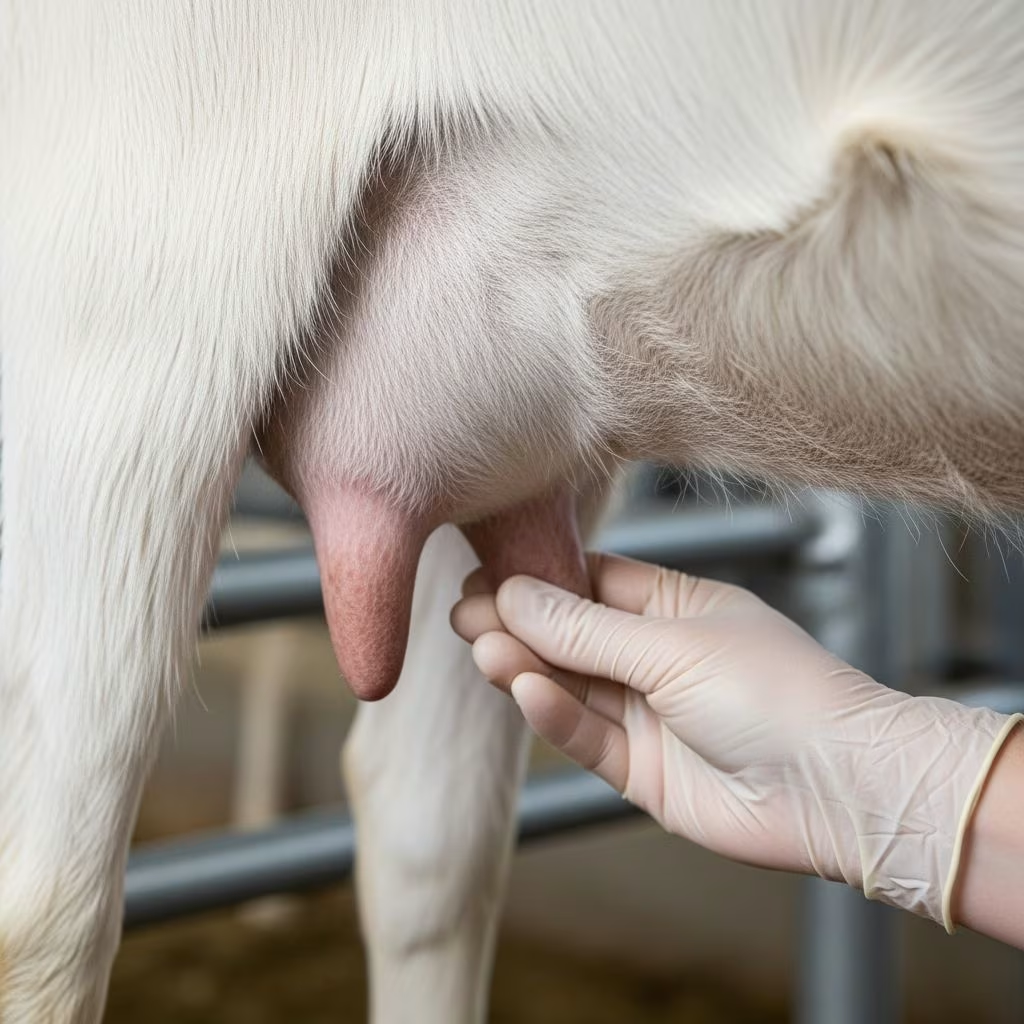
Introduction to Caprine Mastitis
Mastitis represents one of the most significant health challenges facing dairy goat producers worldwide. This inflammatory condition of the mammary gland develops when pathogenic microorganisms breach the udder’s natural defenses and establish infection. The condition shares fundamental characteristics with mastitis observed in dairy cattle, though goats present unique clinical presentations and management considerations. Understanding the etiology, recognition, and management of this disease is essential for maintaining herd health, ensuring milk quality, and sustaining economically viable dairy operations.
The economic impact of mastitis extends beyond direct treatment costs. Infected animals experience reduced milk yield, compromised milk composition, and potential permanent damage to mammary tissue. In severe cases, systemic complications can threaten animal welfare and require culling decisions that further impact farm profitability.
Pathophysiology and Infection Routes
Mastitis develops when pathogenic microorganisms successfully invade the mammary gland tissue, triggering an inflammatory immune response. The primary entry point for infection is the teat canal, a natural opening in the teat that leads directly to the udder tissue. Once bacteria penetrate this anatomical barrier, they colonize the milk-producing tissue and initiate infection.
The risk of bacterial entry increases significantly under several circumstances. Environmental stress conditions such as overcrowding, sudden temperature fluctuations, and poor shelter conditions compromise immune function. Additionally, goats infected with Caprine Arthritis Encephalitis (CAE) demonstrate increased susceptibility to secondary bacterial infections, creating compounded health challenges within affected herds.
Bacterial Pathogens Associated with Caprine Mastitis
Multiple bacterial species can cause mastitis in goats, with specific organisms associated with particular disease presentations and epidemiological patterns.
Gram-Positive Cocci
Staphylococcus species represent the leading bacterial cause of mastitis in goats. These gram-positive, coccus-shaped bacteria naturally colonize skin and udder tissue. S. aureus infections warrant particular concern due to their capacity to cause gangrenous mastitis—a severe form characterized by tissue necrosis where infected udder tissue dies and sloughs off, potentially resulting in animal death. This severe manifestation makes S. aureus infections a critical welfare concern requiring immediate intervention.
Streptococcus species constitute another significant gram-positive pathogen, responsible for both acute and subclinical infections that may progress silently without obvious clinical signs.
Gram-Negative Bacteria
Escherichia coli (E. coli) represents an important environmental pathogen, entering the udder from contaminated surroundings. E. coli mastitis typically manifests as acute infection with systemic signs.
Mycoplasma Infections
Mycoplasma species, including M. mycoides (large-colony type), M. putrefaciens, and M. capricolum, deserve special attention. Mycoplasma infections cause contagious mastitis that spreads readily within herd populations through milking equipment and contact. These infections occasionally trigger serious outbreak situations in intensive production systems. M. putrefaciens presents additional complications by causing systemic disease including septicemia, polyarthritis, pneumonia, and encephalitis in suckling kids, with documented mortality in young animals. Interestingly, affected does typically recover within approximately four weeks.
Other Bacterial Agents
Additional bacteria including Actinomyces, Actinobacillus, Enterococcus species, and Mycobacterium have been documented causing mastitis in caprine populations, though at lower frequencies than the primary pathogens.
Risk Factors and Disease Triggers
Host-Related Factors
Certain animal characteristics predispose individual goats to mastitis development. Age and parity (number of previous lactations) influence susceptibility, with specific age groups demonstrating increased risk. Lactation stage significantly impacts infection probability, as does the animal’s breed or genetic background. Reproductive state including estrus and pregnancy, along with the stress of carrying multiple kids (twinning), creates hormonal and physiological conditions favoring infection. The natural browsing behavior of goats, which involves contact with thorns and rough vegetation, predisposes to teat injuries that create infection portals.
Environmental and Management Factors
Management practices directly influence mastitis incidence. Inadequate hygiene during milking operations represents a critical controllable risk factor. Failure to disinfect teats before milking allows bacterial contamination to enter the system. Poorly maintained milking equipment, including faulty pressure settings, contributes to teat-end damage. Rough removal of milking clusters causes tissue trauma that compromises the teat’s protective barrier.
Housing conditions significantly impact infection risk. Muddy and wet bedding creates an environment where environmental pathogens flourish. Abrasive flooring and fencing can traumatize teats as animals move through their environment. Additionally, over-milking, under-milking, and excessive teat massage during the milking process all contribute to tissue damage and increased infection susceptibility.
Nutritional Considerations
Nutritional status directly affects immune competence. Deficiencies in vitamin E and selenium specifically impair immune function, reducing the body’s ability to combat infection. Poor overall diet and low energy status compromise the immune system’s ability to mount effective responses against pathogens.
Clinical Presentations and Diagnostic Indicators
Clinical Mastitis Manifestations
Clinical mastitis presents with readily observable signs indicating active infection. The affected udder becomes visibly swollen, and the overlying tissue demonstrates increased heat and pain sensitivity upon palpation. Discoloration of the mammary tissue, ranging from reddening to dark discoloration, often accompanies acute infection. Systemic signs including fever, lethargy, loss of appetite, and lameness (due to udder pain affecting gait) frequently accompany the local udder changes.
Milk abnormalities provide additional diagnostic clues. Infected milk may contain clots, appear discolored or bloody, display watery consistency, or contain visible pus. Milk production typically decreases as infection progresses.
Subclinical Infections
Subclinical mastitis develops without obvious clinical signs, making detection challenging without laboratory testing. The California Mastitis Test (CMT) and somatic cell count analysis represent standard diagnostic approaches for identifying subclinical infections, which may persist undetected while silently damaging udder tissue.
Severe Complications
In severe cases, mastitis can progress to life-threatening conditions. Gangrenous mastitis involves tissue necrosis and death, potentially resulting in septicemia (blood infection) and animal fatality. These severe presentations underscore the importance of early detection and intervention.
Treatment Approaches and Therapeutic Options
Antibiotic Therapy
Antibiotics form the cornerstone of mastitis treatment in most cases. Treatment decisions depend on infection severity and specific bacterial identification when available. Intramammary antibiotic infusion delivers medications directly to infected tissue, making this approach particularly effective for localized infections. Systemic (injectable) antibiotics become necessary for severe infections with systemic signs or those progressing to complications.
Veterinary consultation is essential for determining appropriate antibiotic selection, dosage, and treatment duration. Proper administration and completion of prescribed courses help prevent treatment failure and minimize antibiotic resistance development.
Supportive Care Measures
Beyond antibiotics, supportive care enhances recovery. Corticosteroids may reduce inflammation in selected cases. Ensuring adequate nutrition and hydration supports immune function and tissue healing.
Complementary Approaches
Some producers combine conventional medicine with herbal therapies. Garlic and turmeric possess antimicrobial properties, while tea tree oil applied topically may provide pain relief and support healing. However, these approaches should complement rather than replace evidence-based veterinary treatment.
Management During Treatment
Affected does should be separated from the herd during treatment. If nursing kids are present, temporary bottle feeding may be necessary during treatment and milk withdrawal periods.
Treatment Limitations and Culling Decisions
Chronic or severe cases that fail to respond to appropriate treatment present difficult management decisions. Persistent infections may justify removing the affected animal from the herd to prevent spreading infection to other does and to eliminate ongoing economic losses. Such decisions balance individual animal welfare against herd health and farm economics.
Prevention and Control Strategies
Hygiene-Based Prevention
Prevention effectiveness surpasses treatment success rates. Rigorous milking hygiene practices form the foundation of mastitis control. Cleaning and disinfecting teats before milking removes contaminating bacteria. Proper cluster removal techniques prevent teat-end trauma. Regular milking equipment maintenance ensures proper function and prevents pressure-related teat damage.
Environmental Management
Providing clean, dry bedding reduces environmental pathogen exposure. Ensuring adequate spacing prevents overcrowding stress. Maintaining appropriate shelter protects animals from temperature extremes that stress immune systems. Regular facility cleaning and disinfection reduce pathogen loads in the environment.
Nutritional Support
Adequate energy intake and balanced nutrition, particularly including sufficient vitamin E and selenium, support immune function. Nutritional supplementation may be particularly important during high-stress periods including lactation and breeding.
Dry Period Management
Dry period therapy and early intervention represent the most effective control strategies. Dry period treatments, administered when lactation ceases, allow antimicrobial agents to eliminate subclinical infections and establish a protected period. Strategic milking cessation can enhance immune function and allow tissue recovery.
Herd Health Programs
Comprehensive mastitis control requires integrated programs addressing multiple risk factors simultaneously. Laboratory testing to identify specific pathogens guides targeted prevention efforts. Regular monitoring through somatic cell counts and milk quality testing identifies problems early.
Comparison of Mastitis Types and Causative Factors
| Mastitis Type | Primary Sources | Transmission Route | Clinical Presentation | Key Prevention Focus |
|---|---|---|---|---|
| Contagious | Infected animals | Milking contact, equipment, hands, towels | Varies by organism; Mycoplasma causes sudden outbreaks | Milking hygiene, equipment sanitation |
| Environmental | Contaminated soil, manure, bedding | Teat contact with contaminated surfaces | Usually acute with systemic signs | Sanitary housing, bedding management |
| Non-Infectious | Physical trauma, irritants, hormonal | Direct tissue damage or immune suppression | Localized swelling, pain without typical infection signs | Housing design, handling techniques, nutrition |
Frequently Asked Questions
How is mastitis diagnosed in goats without obvious clinical signs?
Subclinical mastitis detection relies on laboratory analysis. The California Mastitis Test (CMT) detects elevated somatic cells in milk, indicating inflammation. Somatic cell counting provides quantitative assessment. Regular testing identifies problems before they become clinically apparent.
Can mastitis be prevented entirely?
Complete prevention is challenging, but incidence can be substantially reduced through comprehensive management. Combining excellent milking hygiene, environmental sanitation, proper nutrition, appropriate genetics selection, and early intervention on positive cases minimizes mastitis occurrence. Most successful operations achieve low infection rates through these combined approaches rather than relying on single interventions.
What is the prognosis for goats with mastitis?
Prognosis depends on bacterial species, infection severity, and treatment timing. Early-detected, appropriately-treated mild cases often resolve with full recovery. Chronic infections or severe presentations like gangrenous mastitis carry poorer prognoses and may necessitate culling. Mycoplasma infections typically resolve within approximately four weeks with treatment.
How long should milk withdrawal occur after antibiotic treatment?
Milk withdrawal duration depends on the specific antibiotic used and regulatory requirements. Veterinary guidance ensures compliance with food safety standards and prevents antibiotic residues in marketed milk.
Conclusion
Mastitis in dairy goats represents a multifactorial disease requiring comprehensive understanding and integrated management approaches. While bacterial infections constitute the primary cause, successful disease management demands attention to host factors, environmental conditions, and management practices. Strategic prevention through excellent hygiene, environmental sanitation, proper nutrition, and early detection offers superior outcomes compared to treatment alone. Producers who implement systematic monitoring and science-based prevention programs minimize mastitis impact on herd health, milk quality, and economic sustainability.
References
- Mastitis in goat: A review of etiology, epidemiology, economic impact and management — PubMed Central (PMC). 2024. https://pmc.ncbi.nlm.nih.gov/articles/PMC12284564/
- Mastitis in Goats – Reproductive System — Merck Veterinary Manual. 2024. https://www.merckvetmanual.com/reproductive-system/mastitis-in-large-animals/mastitis-in-goats
- Preventing and managing mastitis in goats — Texas A&M Veterinary Medical Diagnostic Laboratory (TVMDL). 2024. https://tvmdl.tamu.edu/preventing-and-managing-mastitis-in-goats/
- Guide to Treating Mastitis in Goats: Causes & Solutions — Vetericyn. 2024. https://vetericyn.com/blogs/vetericyn/how-to-treat-mastitis-in-goats
- Mastitis in Goats — Farm Health Online. 2024. https://www.farmhealthonline.com/US/disease-management/goat-diseases/mastitis-in-goats/
- Mastitis in sheep and goats — Michigan State University College of Agriculture and Natural Resources (CANR). 2024. https://www.canr.msu.edu/news/mastitis-in-sheep-and-goats



