

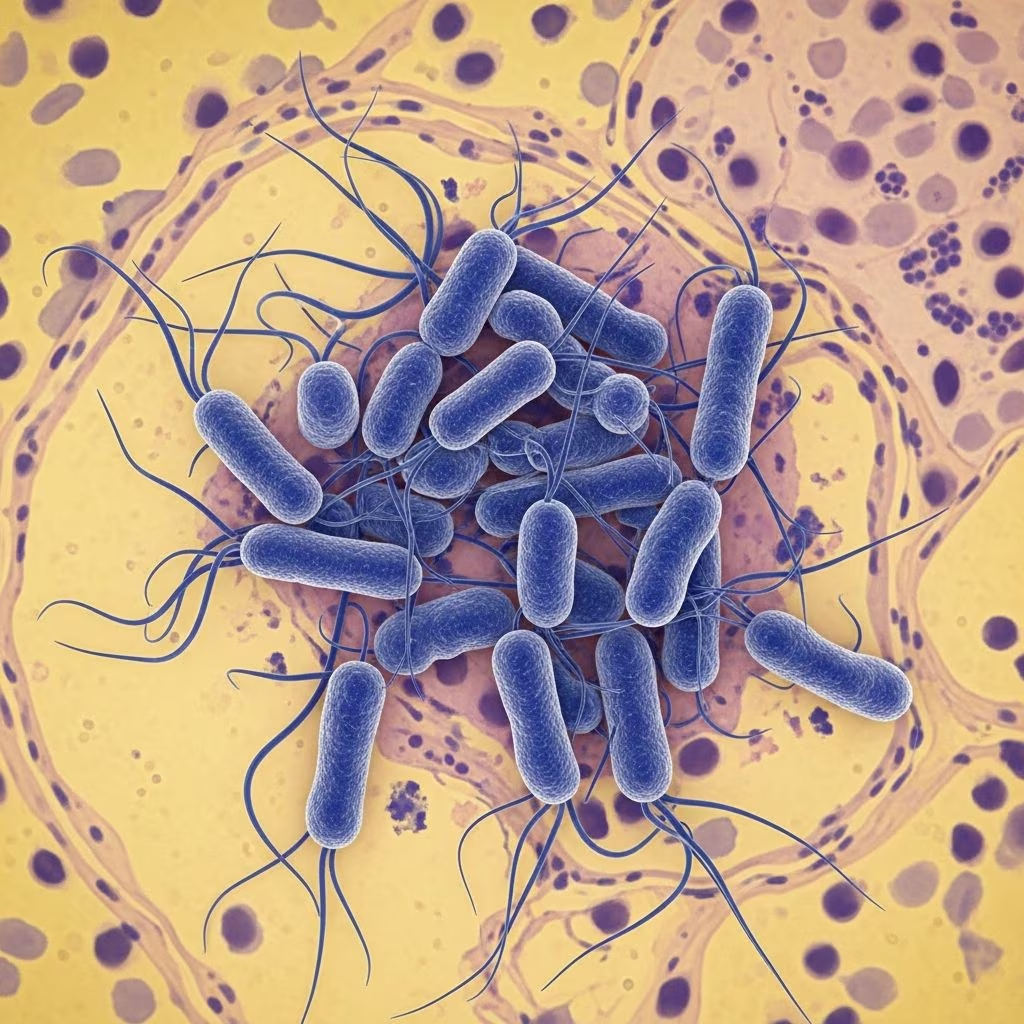
Tyzzer disease represents a severe bacterial infection primarily impacting young or immunocompromised animals across multiple species. Triggered by the intracellular pathogen Clostridium piliforme, it leads to rapid onset of hepatic failure, often resulting in sudden death before intervention is possible.
The Pathogen Behind the Threat
Clostridium piliforme is a spore-forming, Gram-negative bacterium that thrives within host cells, particularly in the liver, intestines, and heart. Unlike typical clostridia, it cannot be cultured on standard media, complicating laboratory detection. Its spores enable environmental persistence in soil, water, bedding, and feces, facilitating transmission via oral ingestion or direct contact.
This organism exhibits host specificity variations; for instance, horses face at least two distinct strains, while rodents and foals show heightened vulnerability during weaning phases. Subclinical carriers, especially adults, shed spores asymptomatically, perpetuating outbreaks in herds or colonies.
Species Affected and Vulnerability Patterns
Tyzzer disease strikes a broad range of mammals and occasionally birds, with neonates and weanlings at greatest risk due to immature immunity and gut microbiomes.
- Foals: Primarily 1-6 weeks old; older ones gain resistance as intestinal flora matures.
- Dogs: Puppies and immunocompromised adults; kennel overcrowding heightens spread.
- Rodents (gerbils, mice): High colony mortality; stress like transport triggers outbreaks.
- Cats and other species: Rare but lethal in kittens; wildlife like beavers also susceptible.
Predisposing factors include stress from weaning, overcrowding, poor sanitation, immunosuppression, or certain drugs like sulfonamides. B-cell deficiencies markedly increase severity.
Recognizing Clinical Manifestations
Signs emerge acutely post-incubation (4-7 days), progressing rapidly to collapse. Core features revolve around liver dysfunction:
| Symptom | Description | Common Species |
|---|---|---|
| Jaundice (icterus) | Yellowing of gums, eyes, skin from hepatic necrosis | Foals, dogs |
| Lethargy/depression | Reduced activity, anorexia | All young animals |
| Diarrhea | Watery, sometimes bloody; less consistent | Dogs, rodents |
| Fever | Pyrexia early on | Horses, dogs |
| Sudden death | No prior signs; coma or convulsions terminally | Foals, gerbils |
In foals, most present moribund or deceased, with liver lesions nearly universal. Myocarditis or colitis appear sporadically, absent in many equine cases.
Diagnostic Approaches
Antemortem diagnosis relies on clinical suspicion, bloodwork showing elevated liver enzymes, and supportive tests like fecal PCR for C. piliforme DNA. Serology aids but requires correlation with signs.
Postmortem confirmation is definitive: Necropsy reveals multifocal white liver spots amid icterus. Histopathology shows necrosis with filamentous bacteria via silver stains (e.g., Warthin-Starry), as H&E or Gram fails. PCR on tissues bolsters proof. Differential diagnoses include other hepatitoxicoses or bacterial enteritides.
Treatment Challenges and Protocols
Prognosis is grave, nearing 100% fatal in neonates without prompt care. No targeted antimicrobial eradicates intracellular spores reliably; therapy is supportive:
- IV fluids, dextrose for hypoglycemia, electrolytes.
- Antibiotics: Penicillin, tetracycline, doxycycline, or trimethoprim-sulfas in foals.
- Bicarbonate for acidosis; anti-inflammatories cautiously.
Rare survivals occur in less severe, older cases with aggressive intervention. Adults rarely require treatment, serving as carriers.
Prevention and Control Measures
Vaccines absent; focus on hygiene and immunity:
- Ensure colostrum intake in neonates for passive antibodies.
- Maintain clean, dry environments; disinfect with spore-killers like bleach.
- Avoid overcrowding/stress; quarantine new animals.
- Monitor weaning closely; balanced nutrition supports gut health.
Outbreak management involves culling affected young, thorough cleaning, and PCR surveillance. In labs/colonies, B-cell status influences protocols.
Pathological Insights
The classic triad—hepatitis, colitis, myocarditis—stems from bacterial proliferation in epithelial cells, inducing necrosis via toxins. Liver hits first, causing failure; spores disseminate hematogenously. In horses, enteric lesions rare post-6 weeks. Stress reactivates latent infections.
Research and Emerging Knowledge
Studies highlight immune roles: T-cells, NK cells modulate susceptibility. Equine strains differ genetically. PCR advancements improve live detection. No recent breakthroughs in therapy, underscoring prevention primacy.
FAQs
What causes Tyzzer disease?
Clostridium piliforme, spread via contaminated feces, water, or bedding.
Is Tyzzer disease contagious between species?
Primarily within species, but shared environments risk cross-exposure.
Can adult animals get Tyzzer disease?
Rarely clinical; they often carry asymptomatically.
How do you test for Tyzzer disease in live animals?
Fecal PCR, serology, liver enzymes; necropsy definitive.
Is there a vaccine for Tyzzer disease?
No; prevention via hygiene and colostrum.
This disease demands vigilance in breeding operations, underscoring early detection’s role amid high lethality.
References
- Tyzzer Disease in Dogs: Causes, Symptoms, and Treatment — PetCareRx. 2023. https://www.petcarerx.com/article/tyzzer-disease-in-dogs-causes-symptoms-and-treatment/6850
- Tyzzer Disease in Animals — Merck Veterinary Manual, Francisco Uzal, DVM, PhD. 2023-10-17. https://www.merckvetmanual.com/digestive-system/tyzzer-disease/tyzzer-disease-in-animals
- Tyzzer’s Disease in Horses — Vetster. 2024. https://vetster.com/en/conditions/horse/tyzzer-s-disease
- Tyzzer’s Disease — University of Illinois Animal Care. 2020. https://animalcare.illinois.edu/sites/default/files/documents/Tyzzer’s%20Disease_0.pdf
- Equine Tyzzer’s Disease Update — University of Kentucky Gluck Equine Research Center. 2023. https://equine.mgcafe.uky.edu/news-story/equine-tyzzers-disease-update



