Types of Therapy Dogs
Explore the different types of therapy dogs and how they provide comfort, support, and healing in various settings.

Therapy dogs play a vital role in enhancing emotional well-being, reducing stress, and supporting therapeutic interventions across diverse settings like hospitals, schools, and nursing homes. Unlike service dogs trained for specific tasks aiding individuals with disabilities, therapy dogs focus on providing comfort to multiple people through animal-assisted activities (AAA) or animal-assisted therapy (AAT).
What Are Therapy Dogs?
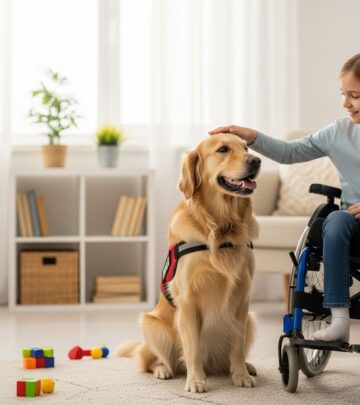
Therapy dogs are specially trained canines that interact with people in controlled environments to offer emotional support and companionship. They perform either animal-assisted activities, often called ‘happiness delivery’ visits to boost morale, or goal-directed animal-assisted therapy under professional guidance, such as from occupational therapists or psychologists. These dogs must exhibit calm temperaments, enjoy human interaction, and remain composed amid unfamiliar noises, movements, and handling.
Key characteristics include being friendly, patient, confident, gentle, and at ease in all situations. They undergo obedience training and temperament testing to ensure suitability for stressful clinical settings like hospitals, hospices, and disaster areas.
Therapy Dogs vs. Service Dogs vs. Emotional Support Dogs
Understanding the distinctions is crucial, as these categories serve different purposes and have varying legal protections. Therapy dogs do not live with a specific handler for personal tasks; instead, they volunteer with their owner in group settings. Service dogs perform defined tasks for individuals with disabilities, granting public access rights under laws like the ADA. Emotional support dogs provide comfort through presence alone, without specific training or public access.
| Category | Purpose | Training | Access Rights | Examples |
|---|---|---|---|---|
| Therapy Dogs | Comfort multiple people in settings like hospitals/schools | Obedience, temperament testing for interactions | No public access; controlled visits | AAA visits, AAT sessions |
| Service Dogs | Specific tasks for one disabled handler | Task-specific training (e.g., mobility aid) | Public access under ADA | Guide dogs, psychiatric service dogs |
| Emotional Support Dogs | Presence provides psychological comfort | No specific tasks; minimal training | Housing/airline accommodations only | Home support for anxiety |
Therapy dogs primarily fall into two subcategories: those for animal-assisted activities (AAA) and animal-assisted therapy (AAT). AAA dogs deliver casual comfort, such as petting sessions in libraries or nursing homes, while AAT dogs support structured therapy goals. Beyond these, related facility dogs work in professional settings.
- Animal-Assisted Activities (AAA) Dogs: Known as ‘happiness delivery’ animals, they visit hospitals, schools, and stress-relief events to provide de-stressing interactions without specific therapeutic goals.
- Animal-Assisted Therapy (AAT) Dogs: Goal-oriented, directed by healthcare professionals for measurable outcomes in rehabilitation or mental health.
- Facility Therapy Dogs: Placed in medical, educational, or therapeutic facilities to assist professionals like therapists in interventions.
Related Assistance Dog Categories
While not strictly therapy dogs, these overlap in therapeutic roles and are often confused. AAHA guidelines categorize working dogs (task-specific like detection), assistance dogs (service or emotional support), and therapy dogs.
- Service Dogs: Trained for at least three tasks mitigating disabilities, including mobility assistance, psychiatric support, or sensory alerts.
- Facility Dogs: Work in facilities under handlers like therapists; includes rehabilitative (physical therapy) and psychiatric facility dogs.
- Assistance Dogs Type II (AD2): Home-based support without public access, performing tasks like deep pressure therapy.
- Emotional Support Dogs: Provide comfort via presence for psychological conditions, no task training required.
Training and Certification for Therapy Dogs
Therapy dogs require rigorous training focused on obedience, socialization, and temperament. Organizations test for friendliness, patience, and confidence. Paws4people mandates annual recertification, with AD2s needing 10+ hours of in-home training. Common steps include:
- Basic obedience: Sit, stay, down, come on command.
- Temperament evaluation: Calm response to crowds, noises, medical equipment.
- Health screening: Vaccinations, parasite-free status.
- Handler-dog team testing: Public access simulation, interaction skills.
Certification is not always legally required but ensures reliability; groups like TherapyDogs.com provide standardized evaluations.
Breeds Commonly Used as Therapy Dogs
Any friendly, calm breed can qualify, but popular choices include Golden Retrievers, Labradors, Cavaliers, and smaller breeds like Shelties for accessibility. Traits like gentleness and adaptability matter more than breed. Therapy dogs must love people and handle petting from strangers comfortably.
Benefits of Therapy Dogs
Therapy dogs lower cortisol, reduce blood pressure, and alleviate loneliness, aiding recovery in clinical settings. In AAT, they facilitate physical rehab or emotional breakthroughs. Patients in psychiatric facilities benefit from canine-assisted psychotherapy. Studies support their role in diverse populations, from children to elderly.
- Stress and anxiety reduction in hospitals/schools.
- Encourages social interaction for isolated individuals.
- Supports PTSD/anxiety management via calming presence.
- Enhances therapy outcomes in rehab and mental health.
How to Get Your Dog Certified as a Therapy Dog
Start with basic training, then enroll in a program. Steps include:
- Assess your dog’s temperament via AKC Canine Good Citizen test.
- Join a therapy group for evaluation (e.g., Pet Partners, Therapy Dogs International).
- Complete health/vaccination requirements.
- Pass skills test: Walking through crowds, sitting for petting, ignoring distractions.
- Volunteer: Log hours in approved settings.
Owners must commit to ongoing training and liability insurance.
Frequently Asked Questions (FAQs)
What’s the difference between a therapy dog and a service dog?
Therapy dogs comfort groups in specific settings without public access rights, while service dogs perform tasks for one disabled individual with full public access.
Can any dog become a therapy dog?
Many can if they pass temperament and obedience tests, prioritizing calm, friendly dogs over specific breeds.
Do therapy dogs need certification?
It’s not legally required but recommended by organizations for insurance and facility approval.
What settings do therapy dogs visit?
Hospitals, nursing homes, schools, libraries, disaster sites, and therapy offices.
How do therapy dogs help with mental health?
They interrupt episodes, provide grounding, and reduce anxiety through touch and presence.
Conclusion
Therapy dogs bridge emotional gaps, offering paws-on healing. Whether through casual visits or structured therapy, their impact is profound. Consider training if your dog fits the profile—volunteering rewards both dog and handler immensely.
References
- Categories of Working, Assistance, and Therapy Dogs — AAHA. 2021. https://www.aaha.org/resources/2021-aaha-working-assistance-and-therapy-dog-guidelines/categories-of-working-assistance-and-therapy-dogs/
- Types of Dogs We Train — paws4people. Accessed 2026. https://paws4people.org/types-of-dogs-trained/
- Types of Service Dogs and How They Help Their Humans — PetMD. Accessed 2026. https://www.petmd.com/dog/general-health/types-of-service-dogs
- Service, Working, Therapy, Emotional Support Dogs: Which Is Which? — AKC. Accessed 2026. https://www.akc.org/expert-advice/training/service-working-therapy-emotional-support-dogs/
- Therapy Dog Types: Understanding the Difference — UDS Foundation. Accessed 2026. https://udservices.org/therapy-dog-types-understanding-the-difference/
- A revised taxonomy of assistance animals — PMC – NIH. 2015-07-29. https://pmc.ncbi.nlm.nih.gov/articles/PMC4540185/
- Service, emotional support, and therapy animals — AVMA. Accessed 2026. https://www.avma.org/resources-tools/animal-health-and-welfare/service-emotional-support-and-therapy-animals
- Dog Certification | Certified Therapy Dog — TherapyDogs.com. Accessed 2026. https://www.therapydogs.com/therapy-dog-certification/
Similar Articles







Read full bio of medha deb