

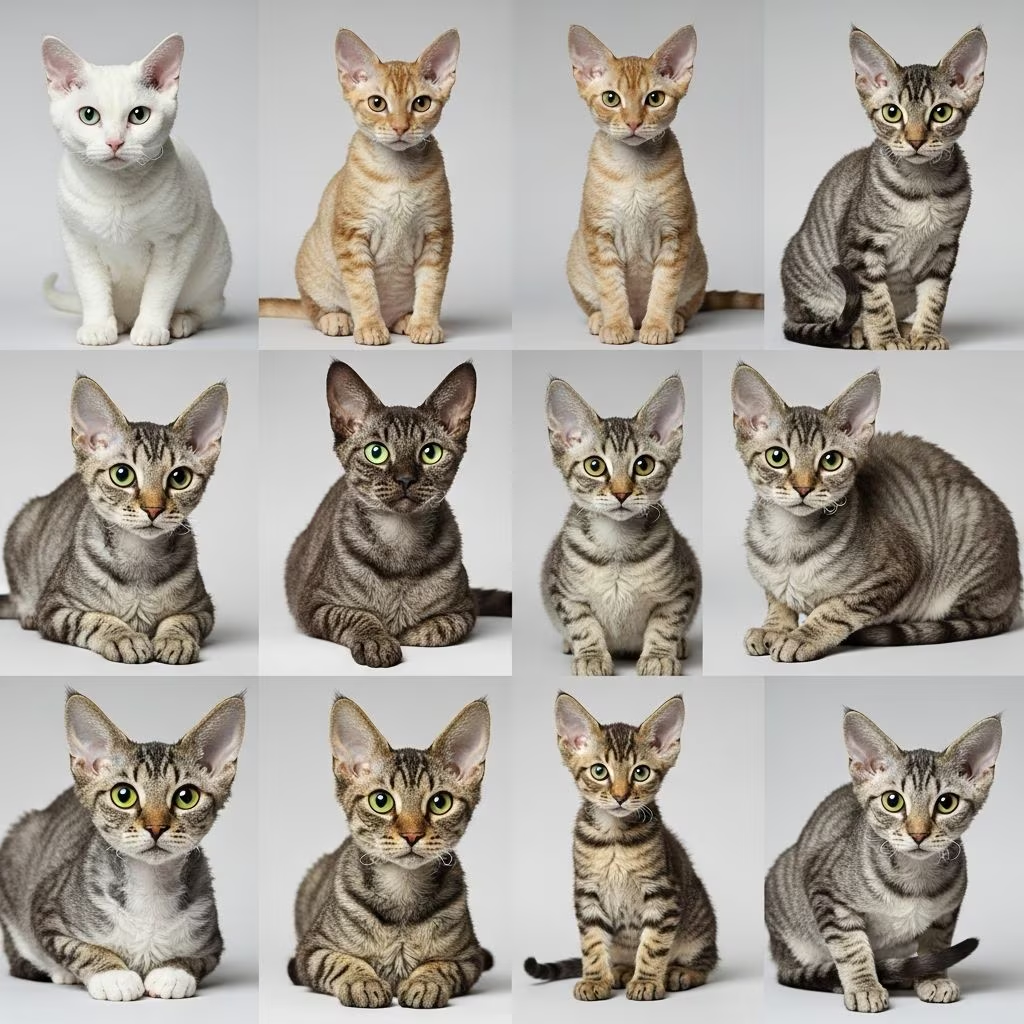
Rex cats are renowned for their distinctive curly or wavy coats caused by natural genetic mutations. These breeds offer a variety of sizes, temperaments, and appearances, making them appealing to cat enthusiasts worldwide. Only three—Devon Rex, Cornish Rex, and Selkirk Rex—are formally recognized by The Cat Fanciers’ Association (CFA), while others remain experimental or rare. This guide covers all 10 types, including key stats, history, personality traits, and care tips.
The 10 Types of Rex Cats
Rex mutations first appeared in the mid-20th century, leading to breeds with soft, crimped fur unlike straight-coated domestic cats. Each breed’s curl stems from a unique gene: recessive in Devon and Cornish, dominant in Selkirk. They range from playful and energetic to laid-back cuddlers, often hypoallergenic due to minimal shedding.
1. Devon Rex
The **Devon Rex** traces its origins to 1959 in Devon, England, from a feral tomcat named Kirlee with a curly coat mutation. All modern Devon Rexes descend from him, recognized by CFA in 1972 after initial grouping with Cornish Rex. These pixie-like cats have large ears, short muzzles, and loose skin, giving them an elfin appearance.
| Height | Weight | Lifespan |
|---|---|---|
| 10 to 12 inches | 6 to 9 pounds | 9 to 15 years |
Devon Rexes boast short, curly coats in black, gray, red, white, or combinations. Their **temperament** is loving, mischievous, and needy—they bond deeply, crave attention, and get along with strangers, kids, and pets. Highly intelligent, they love games and puzzles but can be vocal if bored. Health concerns include patellar luxation and hypertrophic cardiomyopathy; regular vet checks are essential. Grooming is minimal—a weekly wipe suffices for their soft fur. They thrive indoors with interactive toys.
2. Cornish Rex
Originating in 1950 Cornwall, England, the **Cornish Rex** arose from a genetic mutation in a barn cat named Kallibunker. CFA-recognized early on, it’s the original ‘Rex’ breed with slender bodies, huge ears, and wavy fur. Unlike Devons, they have Roman noses and tucked abdomens.
| Height | Weight | Lifespan |
|---|---|---|
| 8 to 12 inches | 6 to 10 pounds | 11 to 15 years |
Short, curly coats come in diverse colors. **Temperament**: Affectionate, loyal, intelligent, and hyperactive—they leap high, play endlessly, and adore families, kids, and other cats. Quick learners, they suit active homes but need warmth as fur offers little insulation. Prone to hypotrichosis; bathe sparingly with cat shampoo.
3. Selkirk Rex
Discovered in 1987 Montana by breeder Jeri Newman, the **Selkirk Rex** stems from a shelter kitten’s dominant curl gene, outcrossed to Persians. TICA recognized it in 1992, CFA later; unique for plush, variable-length curls.
| Height | Weight | Lifespan |
|---|---|---|
| 9 to 11 inches | 6 to 16 pounds | 15 to 20 years |
Medium-to-large with round heads, teddy-bear builds, and colors/patterns galore. **Temperament**: Affectionate, patient, playful, quiet, social—ideal for families, kids, pets, and novices. Curls loosen with age; brush weekly, bathe monthly. Robust health, but monitor kidneys from Persian lineage.
4. German Rex
The **German Rex**, from 1930s Germany (formally 1960s), predates Cornish but lacks CFA status. Early wavy-coated cats bred selectively; similar to Cornish but with denser fur.
| Height | Weight | Lifespan |
|---|---|---|
| 10 to 12 inches | 6 to 10 pounds | 9 to 14 years |
Variable colors/patterns, sociable, loving personalities. Active yet adaptable, they mesh with households but need playtime. Rare outside Europe; grooming like other shorthairs.
5. Tennessee Rex
Emerging 2004 in Tennessee from feral cats, confirmed by geneticist as new mutation. TICA provisional since 2009; satiny, sparkly curls.
| Height | Weight | Lifespan |
|---|---|---|
| 9 to 11 inches | 7 to 12 pounds | 12 to 16 years |
Any color, easygoing, loving. Gentle pets; low shedding. Still developing; seek reputable breeders.
6. LaPerm Rex
Developed 1980s Oregon from a barn cat’s spontaneous mutation. TICA/CFA-recognized; shorthair/longhair variants.
| Height | Weight | Lifespan |
|---|---|---|
| 6 to 10 inches | 8 to 10 pounds | 10 to 15 years |
Colors like black, white, calico; affectionate, active. Rare due to low numbers; curls vary. Comb longhairs weekly.
7. Tasman Rex Cat
Tasmanian origin, rare with rounded heads, diverse colors including calico.
| Height | Weight | Lifespan |
|---|---|---|
| 8 to 12 inches | 8 to 10 pounds | 10 to 12 years |
Extremely loving but needy; more attention required. Experimental status.
8. Oregon Rex
1960s Oregon mutation, now merged into Devon Rex genetics; short history, similar wavy coats. Small, playful, rare pure lines.
| Height | Weight | Lifespan |
|---|---|---|
| 9 to 11 inches | 5 to 8 pounds | 10 to 14 years |
Sociable; historical note in Rex evolution.
9. Ural Rex
Russian 1980s development; thick, curly undercoat, cold-adapted.
| Height | Weight | Lifespan |
|---|---|---|
| 10 to 13 inches | 10 to 15 pounds | 12 to 15 years |
Reserved yet affectionate; growing recognition.
10. Sokoke Rex
Kenyatta, Africa variant with marbled curly coats; primitive, athletic.
| Height | Weight | Lifespan |
|---|---|---|
| 9 to 12 inches | 7 to 11 pounds | 11 to 15 years |
Independent hunters; exotic appeal.
Comparing Rex Cat Breeds
| Breed | Coat Type | Temperament | CFA Status |
|---|---|---|---|
| Devon Rex | Short curly | Mischievous, needy | Recognized |
| Cornish Rex | Wavy short | Energetic, friendly | Recognized |
| Selkirk Rex | Long/short curly | Laid-back, social | Recognized |
| Others | Varies | Loving, variable | Experimental |
Rex cats suit allergy sufferers; provide scratching posts, perches.
Frequently Asked Questions (FAQs)
What causes the curly fur in Rex cats?
Different recessive or dominant gene mutations alter hair structure, producing curls without baldness.
Are Rex cats hypoallergenic?
Less shedding than straight-haired cats, but not fully hypoallergenic; test exposure.
Which Rex breed is best for families?
Selkirk or Cornish Rex—patient, kid-friendly.
How do I groom a Rex cat?
Gentle brushing, minimal bathing; protect from cold.
Are rare Rex breeds healthy?
Generally yes, but outcross to avoid inbreeding.
References
- 10 Types of Rex Cat Breeds (With Info & Pictures) — Catster. 2023-05-15. https://www.catster.com/cat-breeds/types-of-rex-cats/
- Cornish Rex Cat: Breed Info, Pictures, Traits & Facts — Catster. 2024-02-10. https://www.catster.com/cat-breeds/cornish-rex/
- Selkirk Rex Cat Info: Pictures, Temperament & Traits — Catster. 2024-01-20. https://www.catster.com/cat-breeds/selkirk-rex-cat/
- Devon Rex Cat Breed Info: Pictures, Temperament & Traits — Catster. 2023-11-05. https://www.catster.com/cat-breeds/devon-rex/
- The Rex Breeds — The Cat Fanciers’ Association (cfa.org). 2022-08-12. https://cfa.org/cat-talk/the-rex-breeds/
- Selkirk Rex Cats: Plush Curls & Laid-Back Attitude — PetCareShed. 2024-03-18. https://petcareshed.com.au/blogs/pet-supplies/selkirk-rex-cats-plush-curls-guide-australia



