

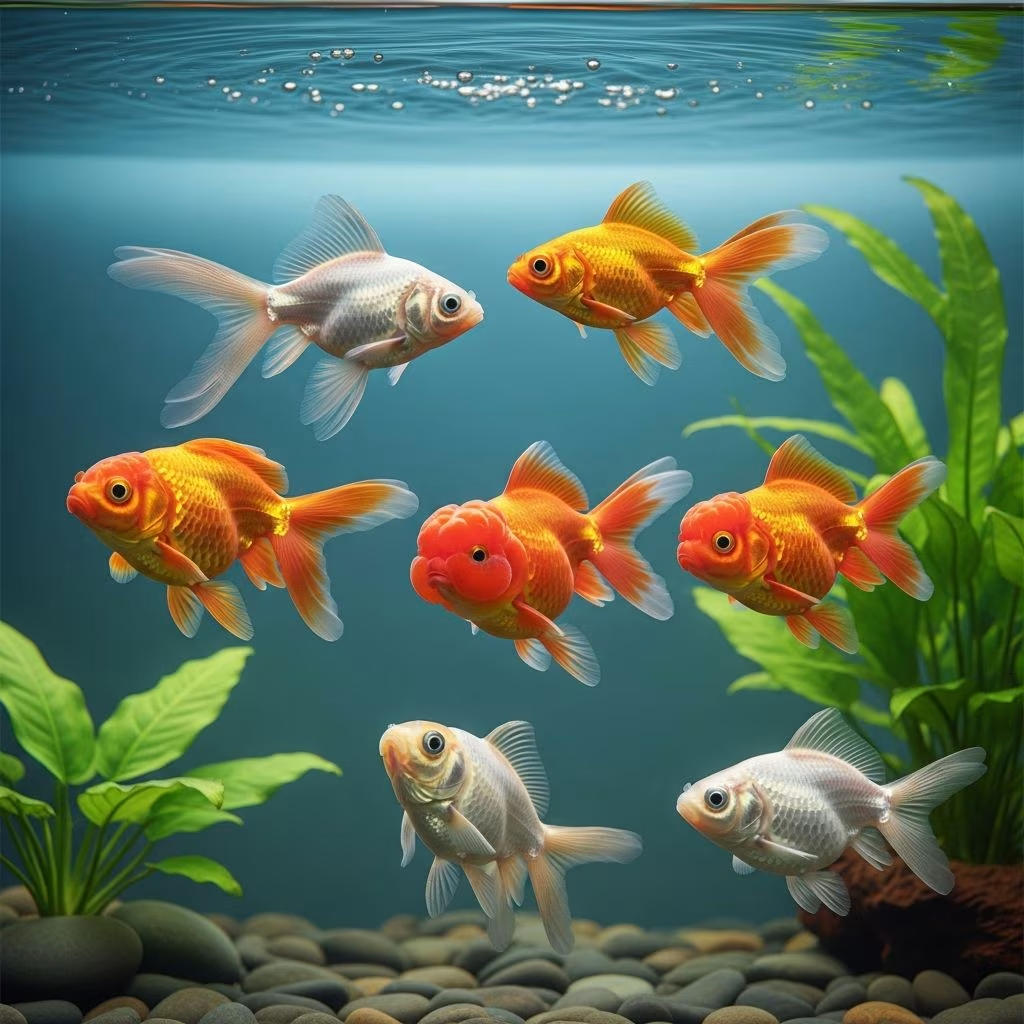
Understanding Goldfish Types and Varieties
Goldfish are among the most popular freshwater aquarium pets, and their appeal extends far beyond the simple orange fish many people picture. With approximately 200 different breeds recognized today, goldfish come in an impressive array of shapes, sizes, colors, and fin configurations. Whether you’re setting up your first aquarium or expanding an established pond, understanding the different types of goldfish available will help you make the best choice for your specific situation.
The classification of goldfish varieties stems from centuries of selective breeding, particularly in Asia where many modern breeds originated. These selective breeding practices have resulted in two major categories of goldfish: slim-bodied varieties and fancy varieties. Each category offers distinct advantages and challenges for different types of aquarium enthusiasts and environments.
The Two Major Goldfish Categories
All goldfish breeds fall into one of two primary categories based on their body structure. Understanding this fundamental distinction will help you determine which types are best suited for your setup.
Slim-Bodied Goldfish
Slim-bodied goldfish feature naturally streamlined bodies that closely resemble their wild ancestors. These varieties maintain the active, energetic swimming patterns characteristic of goldfish in their natural habitats. Slim-bodied goldfish typically have either single or double tail fins, and they are generally considered more hardy and easier to care for compared to their fancy counterparts. They are excellent for beginners and outdoor pond environments.
Fancy Goldfish
Fancy goldfish display distinctive physical characteristics beyond simple body shape, including deep, rounded bodies and unusual features such as head growths, bubble eyes, or specialized fin configurations. While these varieties are undeniably beautiful, they often require more attentive care and specific water conditions. Many fancy varieties are slower swimmers and may struggle in competitive feeding situations with more aggressive slim-bodied goldfish.
Popular Slim-Bodied Goldfish Varieties
Common Goldfish
The common goldfish is the most recognizable goldfish variety worldwide. Characterized by their streamlined bodies and single tail fins, common goldfish are the baseline from which many other varieties were developed. They typically reach 12 inches in adulthood and display a wide range of colors including red, orange, yellow, white, black, and various combinations thereof. The most common coloration is a shiny orange, while red and white or orange and white combinations are also popular.
Common goldfish are ideal for beginners due to their hardiness and relatively low maintenance requirements. They thrive in both aquariums and outdoor ponds, and their affordability makes them accessible to aquarists on any budget.
Comet Goldfish
The comet goldfish represents the most popular fancy goldfish variety in the United States. Named for their flowing, elongated fins that resemble a comet’s tail, these goldfish are highly active and energetic swimmers. Comets typically grow to approximately 12 inches and feature long, deeply forked tail fins and extended dorsal and anal fins.
Available in a range of solid colors including red, orange, yellow, and white, as well as multi-colored patterns like red and white, comet goldfish are relatively affordable and beginner-friendly. Their active nature makes them ideal for larger tanks or outdoor ponds where they have room to swim. Sarasa comets, a popular color variant, display striking red and white coloration.
Shubunkin Goldfish
Shubunkin goldfish are prized for their spectacular multi-colored calico patterns and koi-like appearance. These slim-bodied varieties feature mottled colorations with orange, brown, black, and white patterns distributed across their bodies. Adult shubunkins typically reach 9 to 18 inches, making them suitable for larger aquariums and ponds.
Three main shubunkin variations exist: the London shubunkin with a shorter body and rounded tail, the American shubunkin with a slimmer body shape and deeply forked pointed tail fins, and the Bristol shubunkin featuring a well-developed, moderately forked tail rounded at the edges. Shubunkins are hardy, colorful, and excellent for pond enthusiasts seeking a more decorative slim-bodied variety.
Wakin Goldfish
The wakin goldfish represents an important transitional variety between common goldfish and fancy breeds. Developed from the common goldfish, wakins feature similar body shapes but possess the distinctive characteristic of double caudal fins and double anal fins. From this variety, all fancy goldfish breeds were subsequently developed.
Wakins typically grow to 10 to 18 inches and come in various solid colors and calico patterns. They maintain the hardiness of common goldfish while offering the unique visual appeal of dual tail fins. These Japanese-originated fish are particularly popular for their combination of beauty and manageability.
Jikin Goldfish
Jikin goldfish represent a specialized Japanese variety featuring double caudal fins that splay outward in an X-shaped configuration. These 8 to 10 inch varieties strictly display two colors: red and white. Perfect jikin individuals showcase a unique pattern called the ’12 points of red,’ representing specific red coloration areas across the fish’s body.
Developed from the wakin goldfish, jikis maintain relatively good swimming ability compared to some fancy varieties, making them a good intermediate option for aquarists seeking something more distinctive than common varieties but not as specialized as true fancy breeds.
Popular Fancy Goldfish Varieties
Fantail Goldfish
Fantail goldfish are among the most recognizable fancy varieties, characterized by their short, round bodies and beautiful fan-shaped tail fins. The most common fantail coloration is solid red or orange, though they also appear in calico patterns, red and white combinations, and red and black patterns. Fantails typically reach 6 to 8 inches in adulthood and offer a good balance between beauty and relative hardiness compared to more specialized fancy breeds.
Available in numerous color variations, fantail goldfish are more affordable than rarer fancy varieties, making them accessible entry points into fancy goldfish keeping. Their relatively hardy nature compared to other fancy breeds makes them suitable for aquarists with some experience.
Oranda Goldfish
Oranda goldfish are among the most popular fancy varieties, instantly recognizable by the prominent fleshy growth on their heads known as a ‘wen’ or ‘hood.’ This distinctive cap-like structure may cover the entire face of mature orandas. These fish typically reach 8 to 12 inches and feature large, well-developed fins and short, rounded bodies.
The most sought-after oranda coloration features a white body with a red capped wen, though orandas appear in various other color combinations. Multiple oranda variations exist, including the Thai rosetail oranda with a highly developed wen and ruffled tail, and the Thai orchid tail with a spreading, tosakin-style tail visible from above.
Ranchu Goldfish
Ranchu goldfish, sometimes called lionheads, feature a distinctive body structure with a rounded head and upper body, combined with the absence of a dorsal fin. These delicate and sensitive fish require more experienced caretakers and thrive best in tanks containing other fancy goldfish species rather than mixed communities.
Thai ranchu variants represent local selections developed in Thailand, featuring even larger wens and unique body shapes. Thai ranchus typically reach 6 to 8 inches and possess high curved backs and V-shaped tails in addition to their characteristic large wen growth.
Black Moor Goldfish
Black moor goldfish are characterized by their dramatic all-black coloration and distinctively large, protruding telescope eyes that give them their alternative name ‘dragon eye goldfish.’ This ancient breed was originally developed in China over 500 years ago and remains popular today.
While suitable for beginners in terms of care difficulty, black moors are not as hardy as slim-bodied varieties like comets and common goldfish. Their reduced vision due to their bulging eyes requires careful tank setup with smooth surfaces to prevent injury.
Bubble Eye Goldfish
Bubble eye goldfish represent one of the most unusual fancy varieties, featuring large fluid-filled sacs protruding beneath their eyes that resemble bubble-like structures. These delicate fish require careful handling and specialized tank environments to prevent damage to their distinctive eye sacs. Bubble eyes demand experienced aquarists willing to provide specific care conditions.
Celestial Eye Goldfish
Celestial eye goldfish display bodies similar to ranchus but feature unique upward-facing eyes that allow them to gaze toward the water’s surface. This distinctive eye positioning makes them instantly recognizable and quite unusual among aquarium fish. They require specialized care and setup similar to other highly specialized fancy varieties.
Veiltail Goldfish
Veiltail goldfish showcase much longer, more delicate, flowing fan-shaped tails compared to standard fantails. These fish require careful maintenance and tank setup to preserve their beautiful trailing fin structure. Their longer fins make them more susceptible to damage and disease, requiring attentive aquarists.
Other Notable Varieties
Watonai Goldfish
Similar to the comet goldfish, watonai feature the addition of double caudal fins and anal fins. Developed from both wakin and ryukin varieties, watonai represent another transitional breed combining slim-bodied characteristics with fancy fin configurations.
Sabao Goldfish
Also known as nymph or tamasaba goldfish, sabao varieties feature the plump round body of a fantail combined with a straight tail rather than a flowing fan-shaped one. These fish are considered slightly more hardy than fantails due to their enhanced swimming ability. Closely related to tamasaba varieties, sabao goldfish can display any of the common goldfish color variations.
Shukin Goldfish
Shukin goldfish combine the ranchu body structure with extended tail fins, typically reaching 6 to 10 inches. Available in red, calico, red and white, silver, blue, or white colorations, these specialty fish showcase how different fancy traits can be combined through selective breeding.
Goldfish Color Variations
Beyond body shape and fin configuration, goldfish display an impressive range of color patterns. While the classic orange goldfish remains most recognizable, modern goldfish varieties appear in numerous stunning colors and combinations.
Common colors include solid red, orange, yellow, and black. Multi-colored patterns include calico (mottled combinations of multiple colors), red and white, orange and white, and red and black. The black coloration in goldfish is notably unstable and may change over time based on the fish’s age, growth rate, and environmental conditions. Some specialized patterns like the panda coloration (black and white) remain rare.
Size Comparison Chart
| Variety | Body Type | Adult Size | Hardiness Level |
|---|---|---|---|
| Common Goldfish | Slim-bodied | 12 inches | Very Hardy |
| Comet Goldfish | Slim-bodied | 12 inches | Very Hardy |
| Shubunkin | Slim-bodied | 9-18 inches | Hardy |
| Fantail | Fancy | 6-8 inches | Moderately Hardy |
| Oranda | Fancy | 8-12 inches | Moderate |
| Ranchu | Fancy | 6-8 inches | Sensitive |
| Black Moor | Fancy | 8-12 inches | Moderate |
Choosing the Right Goldfish Variety
Selecting an appropriate goldfish variety depends on several factors including your experience level, available space, and tank setup. Beginners should prioritize hardy slim-bodied varieties like common goldfish or comets, which tolerate varying water conditions and don’t require specialized care.
For outdoor ponds, slim-bodied varieties and hardy shubunkins are ideal choices. For more experienced aquarists willing to provide specialized care, fancy varieties like orandas and fantails offer stunning visual appeal and engaging personalities.
Consider tank size carefully when selecting varieties. Slim-bodied goldfish require larger spaces due to their active swimming nature, while some fancy varieties, though smaller, may struggle with aggressive tank mates due to their reduced swimming ability.
Frequently Asked Questions
Q: How many goldfish can I keep in a single tank?
A: The general guideline is 20 gallons for the first goldfish and 10 additional gallons for each additional goldfish. Slim-bodied varieties need larger tanks than fancy varieties due to their active swimming behavior.
Q: Can I keep slim-bodied and fancy goldfish together?
A: This is not recommended. Slim-bodied goldfish are faster, more aggressive eaters and may outcompete fancy varieties for food. Fancy goldfish also have specific care requirements that differ from slim-bodied types.
Q: Do all goldfish require outdoor ponds?
A: No. Many goldfish varieties thrive in properly sized aquariums with good filtration. However, slim-bodied varieties particularly benefit from the spaciousness of outdoor ponds if available.
Q: Why is my goldfish’s black coloration fading?
A: Black coloration in goldfish is genetically unstable and naturally fades as the fish ages, grows, or experiences environmental changes. This is completely normal and expected in most black or red-black goldfish.
Q: How long do goldfish typically live?
A: With proper care, goldfish can live 15-20 years or more. Some well-cared-for goldfish have been known to reach 30+ years, making them long-term commitments rather than disposable pets.
Q: Are bubble eye goldfish difficult to care for?
A: Yes. Bubble eye goldfish require experienced aquarists, specialized tank setups with smooth surfaces, and careful handling to prevent damage to their distinctive eye sacs.
Q: What water temperature do goldfish prefer?
A: Goldfish prefer cooler water between 65-72°F (18-22°C). They are not tropical fish and do not require heaters. Some fancy varieties may benefit from slightly warmer conditions around 72-74°F (22-23°C).
References
- List of goldfish varieties — Wikipedia. Accessed 2025-11-28. https://en.wikipedia.org/wiki/List_of_goldfish_varieties
- A Complete Guide to Popular Types of Goldfish — Toledo Goldfish. Accessed 2025-11-28. https://toledogoldfish.com/blogs/news/a-complete-guide-to-popular-types-of-goldfish
- 35 Types Of Goldfish (With Pictures!) — Aquarium Store Depot. Accessed 2025-11-28. https://aquariumstoredepot.com/blogs/news/types-of-goldfish



