

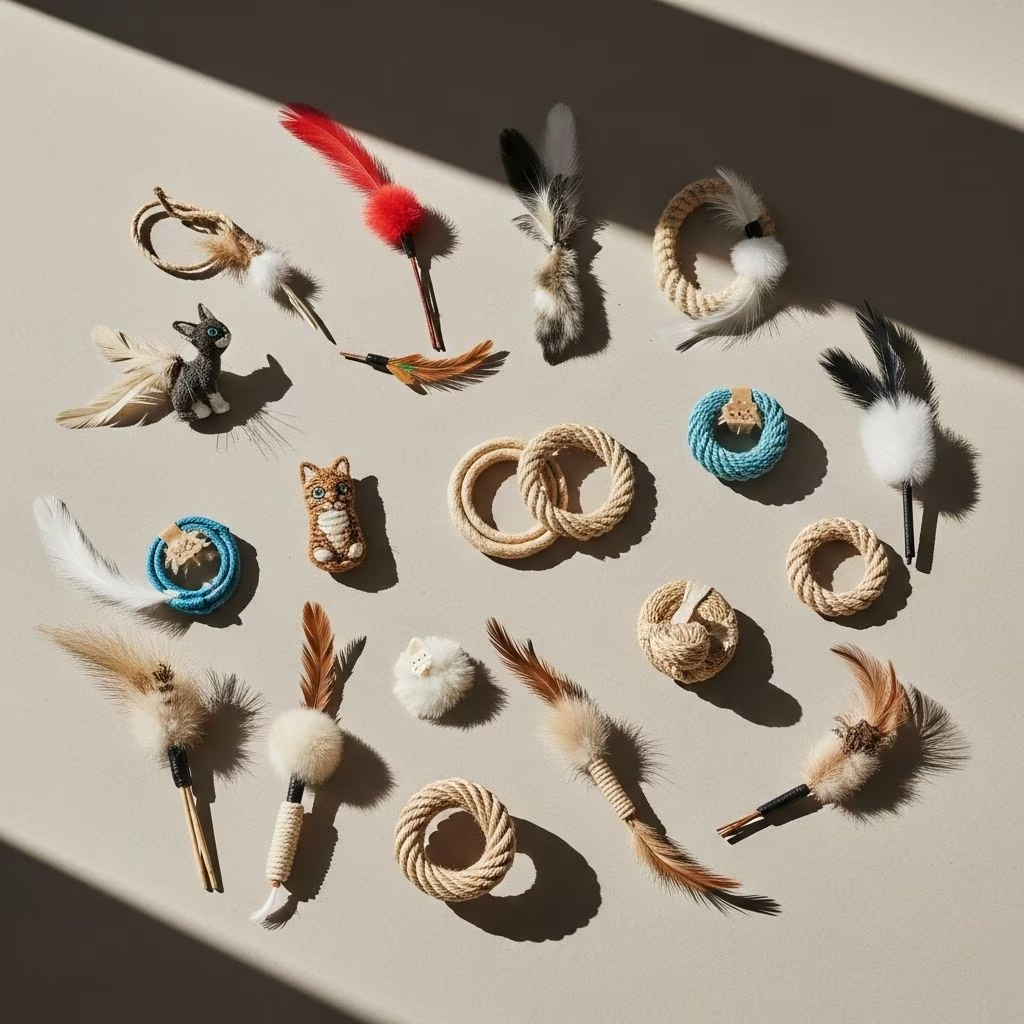
Cats are natural hunters and explorers, requiring toys that stimulate their instincts for chasing, pouncing, and problem-solving. Choosing the right **types of cat toys** ensures physical exercise, mental enrichment, and prevents boredom-related behaviors like destructive scratching. This guide covers interactive toys, puzzle toys, catnip toys, electronic toys, plush toys, scratching toys, and more, helping you select options tailored to your cat’s preferences.
Why Cat Toys Matter
Cat toys mimic prey and provide essential enrichment. Interactive play strengthens the bond between you and your cat while promoting daily exercise—aim for 10-15 minutes twice a day. Solo toys keep cats occupied when alone, reducing stress and obesity risks. Rotating toys maintains novelty, as cats quickly lose interest in the familiar. Safety is paramount: avoid small parts that can be swallowed and supervise laser play to protect eyes.
Interactive Toys
**Interactive toys** engage both you and your cat, simulating hunting scenarios that tap into their predatory instincts. These are ideal for bonding and vigorous exercise, making them a top choice for multi-cat homes or high-energy felines.
- Teaser wand toys: Featuring feathers, ribbons, or plush attachments on a wand, these mimic birds or insects. The erratic movements provoke chases and leaps, providing aerobic workouts. PetMD recommends imitating prey motions for maximum engagement.
- Laser pointers: A red dot drives cats wild with pursuit, but never aim at eyes or let them ‘catch’ it to avoid frustration. Ideal for lazy evenings, though pair with a tangible toy to end sessions satisfyingly.
- Interactive treat dispensers: Cats paw or nudge to release treats, combining foraging with play. These promote slower eating and mental challenges.
Wand toys like the Cat Dancer with its twirling ribbons excel for cats preferring fluttering prey over ground crawlers. Rotate attachments for sustained interest.
Puzzle Toys
**Puzzle toys** challenge a cat’s intellect, dispensing rewards through problem-solving. Perfect for indoor cats or fast eaters, they prevent gulping meals and combat boredom during alone time.
- Treat mazes: Labyrinth designs hide kibble, requiring nose work and paws to retrieve. These stimulate natural foraging behaviors.
- Interactive puzzle feeders: Compartments or sliders release food as cats manipulate them. VCA Hospitals notes they turn mealtime into a hunt.
- Play and foraging mats: Mats with cubbies, tunnels, and holes hide mice or treats. Cats weave wands through or bat hidden toys, offering multi-sensory fun.
Introduce gradually; start with easy access to build confidence. Puzzle toys reduce obesity by slowing consumption and adding calories burned through play.
Catnip Toys
**Catnip toys** contain Nepeta cataria, eliciting euphoria in 70-80% of cats for 5-15 minutes. They boost energy for play, aiding shy or senior cats. Effects are genetic and wane with overuse, so refresh monthly.
- Stuffed animals: Plush critters filled with catnip invite batting and hugging.
- Catnip balls: Durable orbs rolled across floors for chasing, combining scent with motion.
- Kicker toys: Long pillows for ‘bunny kicking’—grabbing with front paws and rear-kicking like subduing prey. Catnip kickers spark intense sessions.
Sprinkle catnip on posts or toys for variety. Repounce highlights its role in exploration.
Electronic Toys
**Electronic toys** move autonomously, entertaining solo cats via timers or sensors. Battery-powered options mimic erratic prey, ideal for working owners.
- Automated laser toys: Rotate dots across rooms, preventing direct eye exposure risks.
- Motion-activated chasers: Balls or mice dart when touched, then pause, teasing pursuit.
- Robotic mice: Zigzag and spin, with realistic squeaks for immersion.
These provide ‘hunt-seek-attack’ cycles per VCA. Limit sessions to avoid overstimulation.
Plush Toys
**Plush toys** offer comfort and solo play, doubling as ‘prey’ for carrying or wrestling. Soft fabrics appeal to maternal instincts in females.
- Stuffed animals: Mice, birds, or critters with crinkle sounds or bells. Some simulate heartbeats for kittens.
- Crinkle toys: Rustling materials intrigue curious noses.
Choose durable stitching; washable options stay hygienic. Almost Home Humane suggests these for carrying and hiding.
Scratching Toys
**Scratching toys** fulfill claw maintenance, territory marking, and stretching needs, sparing furniture. Vertical posts suit most cats.
- Scratching posts: Sisal, cardboard, or carpet-wrapped for varied textures.
- Sisal-wrapped toys: Balls or ramps ignored by soft-toy avoiders.
Place near beds; attract with catnip. Country Grove Vet notes they preserve claw health.
Other Popular Toys
Beyond categories, household items shine: ping-pong balls in tubs for bounce-back fun, paper bags (no handles) for ambushes, cardboard tubes for batting. Balls—bouncy, bell-filled, or catnip-stuffed—roll endlessly. Spring toys skitter unpredictably.
| Type | Best For | Examples |
|---|---|---|
| Interactive | Bonding, exercise | Wands, lasers |
| Puzzle | Mental stim | Feeders, mats |
| Catnip | Energy boost | Kickers, balls |
| Electronic | Solo play | Chasers, robots |
| Plush | Comfort | Mice, stuffies |
| Scratching | Claw health | Posts, pads |
Safety Tips for Cat Toys
Inspect regularly for wear; discard frayed strings or loose beads. Supervise new toys. Avoid plastic bags—chewing risks ingestion. Match size to cat: large breeds need sturdy options. Clean with mild soap; dry fully.
How to Choose the Right Toys
Observe preferences: chasers love wands, thinkers prefer puzzles. Kittens need soft teethers; seniors favor gentle motion. Budget? DIY with boxes or socks. Rotate weekly for excitement. Multi-toy rotation prevents habituation.
Frequently Asked Questions (FAQs)
What are the most popular types of cat toys?
Wand toys, catnip kickers, and scratching posts top lists for engaging instincts universally.
Are electronic cat toys safe?
Yes, if battery compartments are secure and sessions limited to prevent exhaustion.
How often should I play with my cat using interactive toys?
10-15 minutes twice daily mimics natural crepuscular activity.
Do all cats respond to catnip toys?
About 70% do; sensitivity is hereditary and peaks at 3-6 months.
Can household items replace cat toys?
Yes—ping-pong balls, boxes, and tubes provide safe, cheap fun.
Final Thoughts on Cat Toys
Diversify your cat’s toy box across types for balanced enrichment. Watch play styles to refine choices, ensuring a happy, healthy feline. Regular play combats obesity, anxiety, and furniture damage while deepening your bond.
References
- Everything You Need to Know About Cat Toys — Catenary Home. 2024. https://catenaryhome.com/blogs/catenary-blogs/the-ultimate-guide-to-cat-toys
- The Ultimate Guide to Buying Cat Toys — PetMD. 2024. https://www.petmd.com/cat/general-health/guide-to-buying-cat-toys
- Cat Toys 101: Everything You Need to Know About Feline Playthings — Repounce. 2024. https://repounce.com/blogs/news/cat-toys-101-everything-you-need-to-know-about-feline-playthings
- Choosing the Right Cat Toys: A Guide to Safe, Fun Play — Country Grove Veterinary Hospital. 2025-05-01. https://countrygrovevet.ca/2025/05/01/choosing-the-right-cat-toys-a-guide-to-safe-fun-play/
- Cat Toys and How to Use Them — Almost Home Humane Society. 2024. https://www.almosthomehumane.org/cat-handbook/cat-toys-and-how-use-them
- Cat Behavior and Training – Play and Play Toys — VCA Animal Hospitals. 2024. https://vcahospitals.com/know-your-pet/cat-behavior-and-training—play-and-play-toys



