

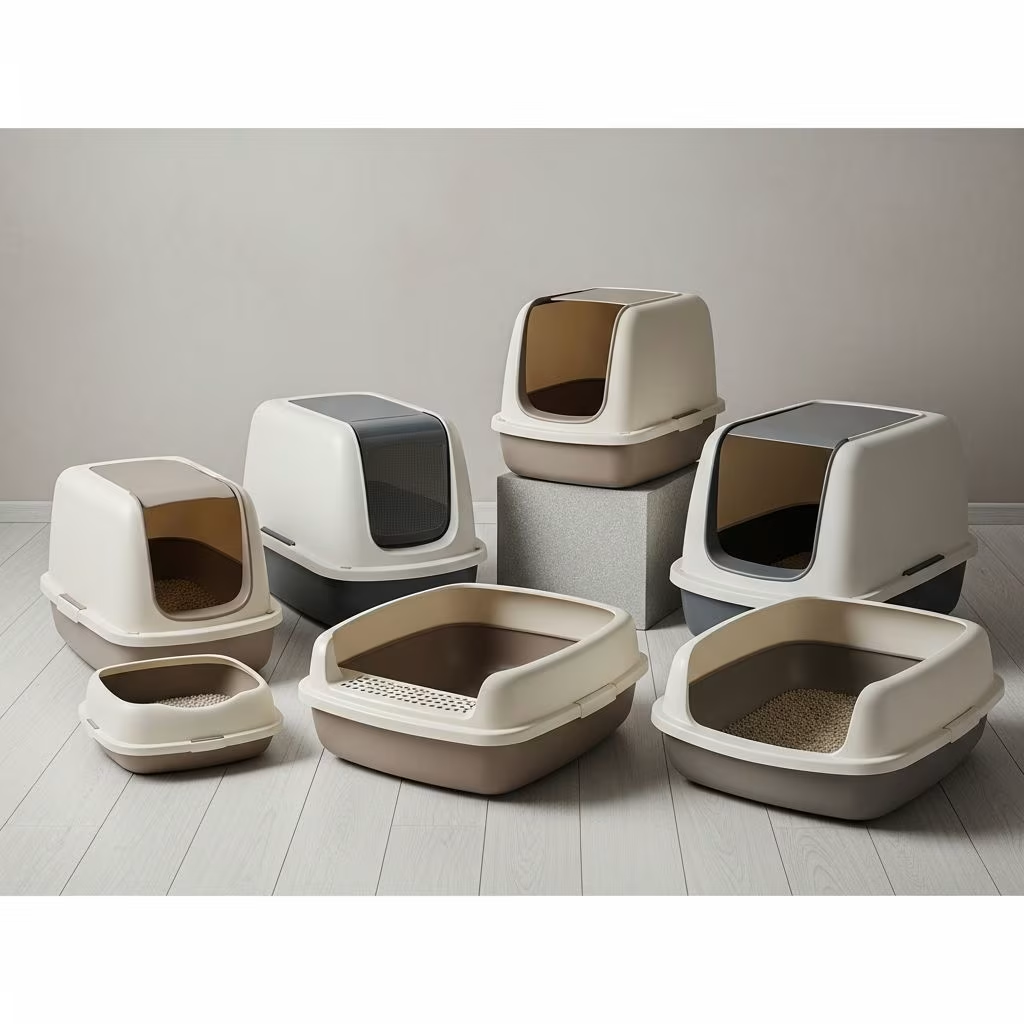
Choosing the right **cat litter box** is essential for your feline’s comfort, health, and your home’s cleanliness. With numerous options available, from basic open trays to high-tech self-cleaning models, understanding the types helps match the perfect one to your cat’s preferences, age, and household needs. This guide covers all major **types of cat litter boxes**, their pros and cons, and tips for selection.
Why the Right Litter Box Matters
The ideal litter box promotes consistent use, reduces accidents, and minimizes odors. Factors like entry height, size, enclosure, and cleaning mechanism influence your cat’s acceptance. Kittens and seniors prefer low-entry designs, while multi-cat homes benefit from larger or automatic options. Open boxes offer accessibility, while covered ones provide privacy.
Open Litter Boxes
**Open litter boxes** are the most traditional and straightforward choice—a simple, uncovered tray filled with litter. They’re shallow, making them highly accessible for kittens, senior cats, or those with mobility issues like arthritis.
Pros:
- Affordable and widely available.
- Easy to clean: scoop, wash, and disinfect without complex parts.
- Excellent airflow reduces odor buildup.
- Low entry suits all cats, especially young or elderly.
- Cats that dislike confinement feel more comfortable.
Cons:
- Litter scatter and tracking outside the box.
- Less privacy, which some cats prefer.
- Odors can spread more easily in open air.
Upgrade options like the Purina Tidy Cats Breeze Original or XL systems enhance open boxes with sifting grates, pellets, and absorbent pads for superior odor control and reduced scooping. Ideal for single-cat homes or beginners.
Covered (Hooded) Litter Boxes
**Covered litter boxes**, or hooded models, feature an enclosed design with a removable or hinged hood and entry flap. They offer privacy and contain litter scatter and odors effectively.
Pros:
- Privacy appeals to shy or territorial cats.
- Contains mess, litter, and spray inside.
- Better odor control due to enclosure.
- Often larger interior space.
Cons:
- Harder to clean; requires removing hood.
- May feel confining for some cats.
- Higher entry can challenge kittens or seniors.
- Potential odor buildup if not vented well.
For enhanced performance, Purina Tidy Cats Breeze Covered system combines enclosure with pellet technology for easy maintenance. Popular enclosed models like Van Ness Jumbo are spacious but bulky. Best for privacy-loving cats in odor-sensitive homes.
Top-Entry Litter Boxes
**Top-entry litter boxes** have an opening on the lid, requiring cats to jump in from above. This modern design excels at containing litter and providing a sleek look.
Pros:
- Minimizes scatter; litter falls back in.
- Discourages curious dogs or toddlers.
- Enclosed on sides for privacy and odor control.
- Compact footprint for small spaces.
Cons:
- Requires jumping ability; not for seniors or kittens.
- Cleaning involves removing the top.
- Cats may need time to adapt.
These are ideal for active adult cats and homes with tracking issues. Pair with lightweight clumping litter for best results.
Sifting Litter Boxes
**Sifting litter boxes** use a multi-layer system with perforated trays. Lift the top tray to sift waste through, separating clean litter from clumps.
Pros:
- Quick cleaning; no daily scooping.
- Conserves litter by removing only soiled parts.
- Works open or enclosed.
- Less direct waste contact.
Cons:
- Requires compatible clumping litter.
- More parts to assemble and clean.
- Higher initial cost.
- Clumps must hold firm to avoid mess.
Recommended litters include Purina Tidy Cats Lightweight 24/7 for easy lifting, Naturally Strong for odor control, or scented options—all 99.9% dust-free. Great for multi-cat households seeking efficiency.
Automatic/Self-Cleaning Litter Boxes
**Automatic litter boxes** use sensors, timers, or rakes to clean waste into a sealed drawer automatically. Models like Litter-Robot revolutionize maintenance.
Key features from Whisker models:
- Litter-Robot 5 Pro: Up to 5 cats, 3-30 lbs, WasteID tech distinguishes urine/feces.
- Litter-Robot 4: Up to 4 cats, 3-25 lbs, app-connected, SmartScale.
- Litter-Robot EVO: Beginner-friendly, compact for 1-2 cats.
Pros:
- Hands-free cleaning; ideal for busy owners.
- Odor control with sealed drawers.
- Monitors usage via apps for health insights.
- Suitable for multi-cat homes.
Cons:
- Expensive upfront ($599-$899).
- Requires electricity; noisy cycles.
- Bulky (e.g., Litter-Robot 4: 22×27 inches).
- Litter compatibility issues; clumping clay or crystals recommended.
Works with various litters like Dr. Elsey’s or crystals, though proprietary ones perform best. Perfect for low-maintenance lifestyles.
Furniture or Hidden Litter Boxes
**Furniture litter boxes** disguise the box as cabinets, benches, or end tables, blending into decor while providing enclosure.
Pros:
- Aesthetic; hides litter from view.
- Privacy and odor containment.
- Often spacious interiors.
Cons:
- Limited ventilation may trap odors.
- Harder access and cleaning.
- Higher cost; custom sizes.
Best for style-conscious homes with adult cats. Ensure good airflow.
Comparison of Litter Box Types
| Type | Key Features | Pros | Cons | Ideal For |
|---|---|---|---|---|
| Open | Uncovered tray | Affordable, easy clean, accessible | Scatter, less privacy | Kittens, seniors, singles |
| Covered | Hooded enclosure | Privacy, contains mess | Harder clean, confining | Shy cats, odor control |
| Top-Entry | Top lid entry | No scatter, modern | Jumping required | Active cats, small spaces |
| Sifting | Multi-tray sifter | Quick clean, efficient | Litter-specific | Multi-cat, low scoop |
| Automatic | Sensor cleaning | Hands-free, app monitor | Costly, bulky | Busy owners, multiples |
| Furniture | Decor-integrated | Stylish, hidden | Ventilation issues | Design-focused homes |
Adapted from industry comparisons.
How to Choose the Right Litter Box
Consider cat age, number of cats (one per cat plus one extra), litter type compatibility, space, and budget. Test preferences gradually. Low sides for accessibility, high sides for scatter control. Place in quiet, accessible spots. For self-cleaners, ensure 3+ lb cats.
Litter Compatibility and Maintenance Tips
Clumping clay works universally; crystals for automatics. Scoop daily, deep clean weekly. Lightweight litters ease sifting. Monitor for avoidance signaling health issues.
Frequently Asked Questions (FAQs)
What is the best type of litter box for kittens?
Open, low-entry boxes are ideal for easy access and safety.
Are covered litter boxes better for odor control?
Yes, they contain odors better but require good ventilation.
Can senior cats use top-entry boxes?
No, opt for low, open designs due to mobility limits.
Do automatic litter boxes work for multi-cat homes?
Yes, models like Litter-Robot 5 handle up to 5 cats.
How often should I clean a litter box?
Scoop daily; full clean weekly to prevent issues.
References
- Litter-Robot Comparison Chart — Whisker. 2025. https://www.whisker.com/litter-robot-comparison-chart
- Best Types of Litter Boxes: Find Your Cat’s Perfect Fit — Purina US. 2024-10-15. https://www.purina.com/articles/cat/behavior/litter/best-types-of-litter-boxes
- Best Cat Litter Boxes — Consumer Reports. 2024-11-20. https://www.consumerreports.org/home-garden/pets/best-cat-litter-boxes-a7688686907/



