

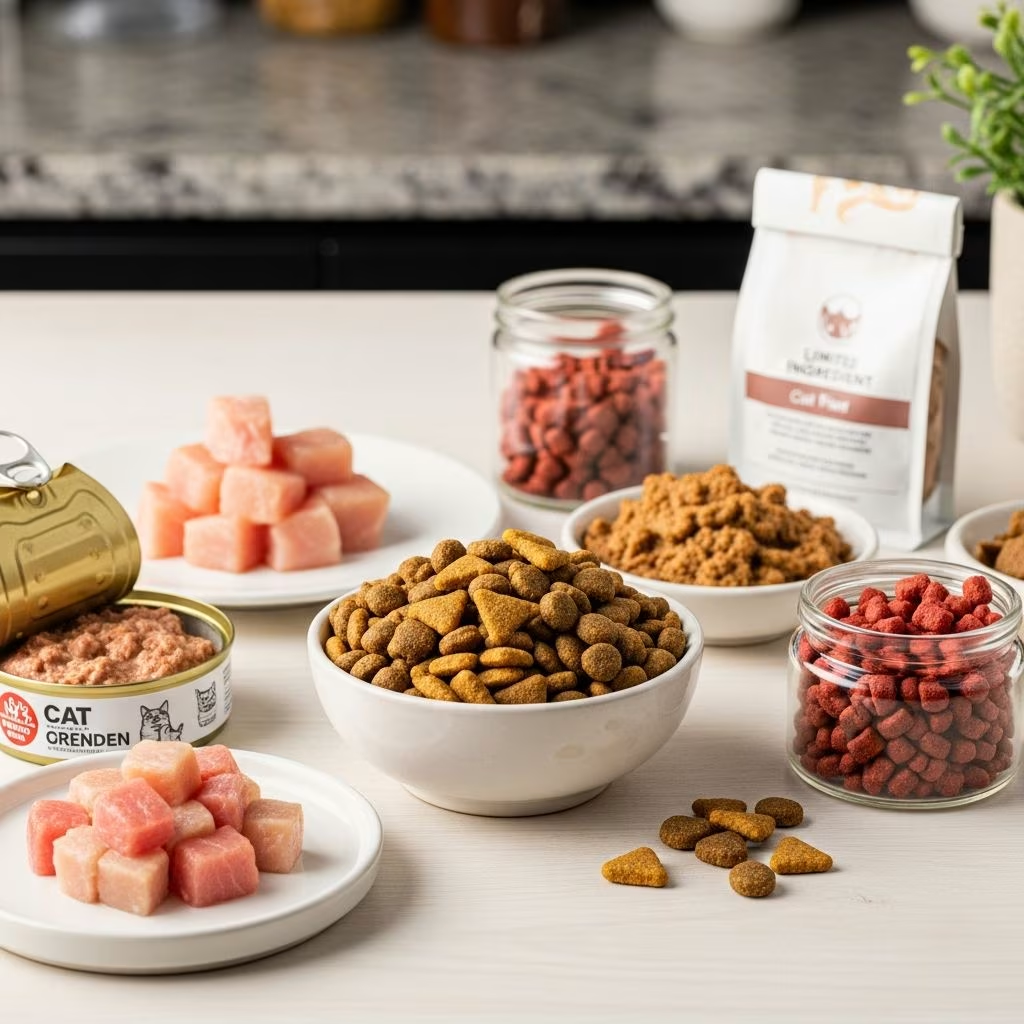
Cats are obligate carnivores, requiring diets high in animal-based proteins, moderate fats, and minimal carbohydrates to thrive. Understanding the various types of cat food—dry, wet (canned), semi-moist, and fresh—is essential for meeting their unique nutritional needs. Each type varies in moisture content, processing, cost, and palatability, influencing your cat’s hydration, dental health, and overall wellness. This guide breaks down these options, their pros and cons, key ingredients to look for, and selection tips based on veterinary recommendations.
Why Cat Nutrition Matters
Cats evolved as hunters consuming prey with about 70-75% moisture, high protein (around 50-60% on a dry matter basis), moderate fat, and very low carbohydrates (1-2%). Modern commercial cat foods aim to replicate this, but processing and ingredients differ significantly across types. Essential nutrients include taurine for heart and eye health, arachidonic acid for skin, and balanced minerals like calcium and phosphorus. Always prioritize AAFCO-approved foods stating ‘complete and balanced’ for all life stages or specific needs.
Key label sections include the Guaranteed Analysis (protein ≥26% minimum for adults, fat ≥9%), ingredients list (named meats first, avoid excessive fillers like corn gluten), and feeding guidelines adjusted for age, weight, and activity.
Dry Cat Food (Kibble)
Dry cat food, or kibble, contains about 5-10% moisture after processing, making it shelf-stable and convenient. It’s produced by extruding a dough of proteins, grains, fats, and binders into shapes, then drying and coating with flavors and fats. While economical, it often has higher carbohydrate levels (35-50% calories) from grains to bind the formula.
Pros:
- Affordable and long shelf life without refrigeration.
- Promotes dental health by scraping tartar during chewing.
- Convenient for free-feeding and portion control.
Cons:
- Low moisture contributes to dehydration risks, urinary issues like crystals or blockages, especially in males.
- High carbs may lead to obesity or diabetes in overfed cats.
- Less palatable for picky eaters; processing reduces natural flavors.
Ideal for multi-cat homes or budget-conscious owners, but pair with fresh water or wet food toppers. Look for ≥40% protein (dry matter), named meats (chicken, turkey), and omega fatty acids from fish oil. Avoid by-products if possible, though some are nutritious (organs, frames).
Wet Cat Food (Canned)
Wet cat food has ≥75% moisture, closely mimicking prey’s hydration. It’s cooked, pureed or chunked, sealed in cans or pouches, and sterilized. High protein (often 10-12% as-fed, 40-50% dry matter) and low carbs make it nutritionally superior for many cats.
Pros:
- Excellent hydration source, reducing kidney and urinary disease risks.
- Highly palatable with strong aromas appealing to finicky cats.
- Lower calorie density aids weight management; high protein preserves muscle.
- Minimal processing retains nutrients like taurine.
Cons:
Best for seniors, Persians (flat-faced breeds prone to dental issues but needing moisture), or cats with chronic kidney disease (CKD). Varieties include pâté, chunks in gravy, or mousse. Choose those with whole meats, no excessive gums/thickeners, and balanced phosphorus for kidney health.
Semi-Moist Cat Food
Semi-moist food has 20-30% moisture, softer than kibble but firmer than canned. It uses humectants (sugars, corn syrup) to retain moisture without canning, often in pouches or soft nuggets. Less common today due to high sugar content.
Pros:
- Intermediate convenience; no refrigeration until opened.
- Soft texture suits cats disliking crunch or swallowing chunks.
- Palatable with meaty flavors.
Cons:
- Higher carbs/sugars from preservatives, risking diabetes.
- More expensive than dry, less hydrating than wet.
- Potential artificial additives; lower protein quality.
Suitable transitional food for kittens or picky adults, but not ideal long-term due to nutritional imbalances compared to dry or wet.
Fresh Cat Food (Raw or Gently Cooked)
Fresh cat food is human-grade, minimally processed (raw, frozen, or lightly cooked) with high moisture (70-80%), whole proteins, organs, bones, and minimal carbs. Delivered frozen or refrigerated, it’s closest to a wild diet.
Pros:
- Optimal nutrition: high protein/fat, low carbs, natural vitamins/minerals.
- Supports hydration, digestion, shiny coat, lean muscle.
- No synthetic additives; customizable for allergies/health issues.
Cons:
- Very expensive; requires freezer space.
- Transition challenging; risk of bacterial contamination if raw (salmonella).
- Short shelf life post-thaw.
Recommended for health-focused owners, but consult vets for commercial brands tested for pathogens. Kittens thrive on canned mimicking fresh textures.
How to Choose the Right Cat Food
Select based on life stage: kittens need 30-40% protein for growth (3-4 meals/day until 6 months, then 2); adults 26%+; seniors lower calories, joint support. Consider health: CKD favors wet/low-phosphorus; obesity needs calorie-controlled.
| Life Stage | Protein (min %) | Fat (min %) | Calories (kcal/cup) |
|---|---|---|---|
| Kitten | 30 | 9 | 400-500 |
| Adult | 26 | 9 | 300-400 |
| Senior | 26 | 7-9 | 250-350 |
Read labels: first 5 ingredients meat-based; check for taurine, omegas. Mix types (80% wet/20% dry) for balance. Transition gradually over 7-10 days to avoid digestive upset.
Essential Nutrients in Cat Food
- Protein: ≥26-30%; sources: chicken, fish. Builds muscle, energy.
- Fat: ≥9%; linoleic/arachidonic acids for skin, nerves.
- Taurine: Prevents blindness, heart disease.
- Vitamins: A, D, E, B-complex for metabolism, immunity.
- Minerals: Ca:P ratio 1:1-2:1; zinc, iodine for thyroid.
Avoid fillers (corn, wheat) dominating lists; prefer whole grains if any.
FAQ
Which cat food type is healthiest?
Wet or fresh foods are healthiest due to high moisture and protein, mimicking natural diets and supporting urinary/kidney health.
Can I mix dry and wet cat food?
Yes, combining provides hydration benefits of wet with dental perks of dry; adjust portions to meet calorie needs.
Is grain-free cat food better?
Not necessarily; cats tolerate some grains, but prioritize protein quality over grain-free claims, which may use high-carb alternatives.
How much should I feed my cat?
Follow label guidelines, typically 20-30 kcal/lb body weight daily for adults; weigh monthly and consult vet for specifics.
What if my cat is a picky eater?
Rotate flavors/textures, warm wet food, add toppers; rule out dental/medical issues first.
References
- Feeding Your Cat — Cornell University College of Veterinary Medicine. 2023-10-01. https://www.vet.cornell.edu/departments-centers-and-institutes/cornell-feline-health-center/health-information/feline-health-topics/feeding-your-cat
- Cat Nutrition: Guide to Cat Food Nutrients — PetMD. 2024-05-15. https://www.petmd.com/cat/nutrition/cat-nutrition-what-makes-nutritional-cat-food
- Proper Nutrition for Cats — Merck Veterinary Manual. 2025-01-10. https://www.merckvetmanual.com/cat-owners/selecting-and-providing-a-home-for-a-cat/proper-nutrition-for-cats
- Optimum Feline Nutrition – What Should You Feed Your Cat? — Johnson Animal Clinic. 2024-08-20. https://www.johnsonanimalclinic.com/services/cats/feline-nutrition-cat-food
- Cat Food Labels: Nutrition Facts and Key Ingredients — Willow Glen Pet Hospital. 2024-03-12. https://willowglenpethospital.com/cat-food-labels/



