

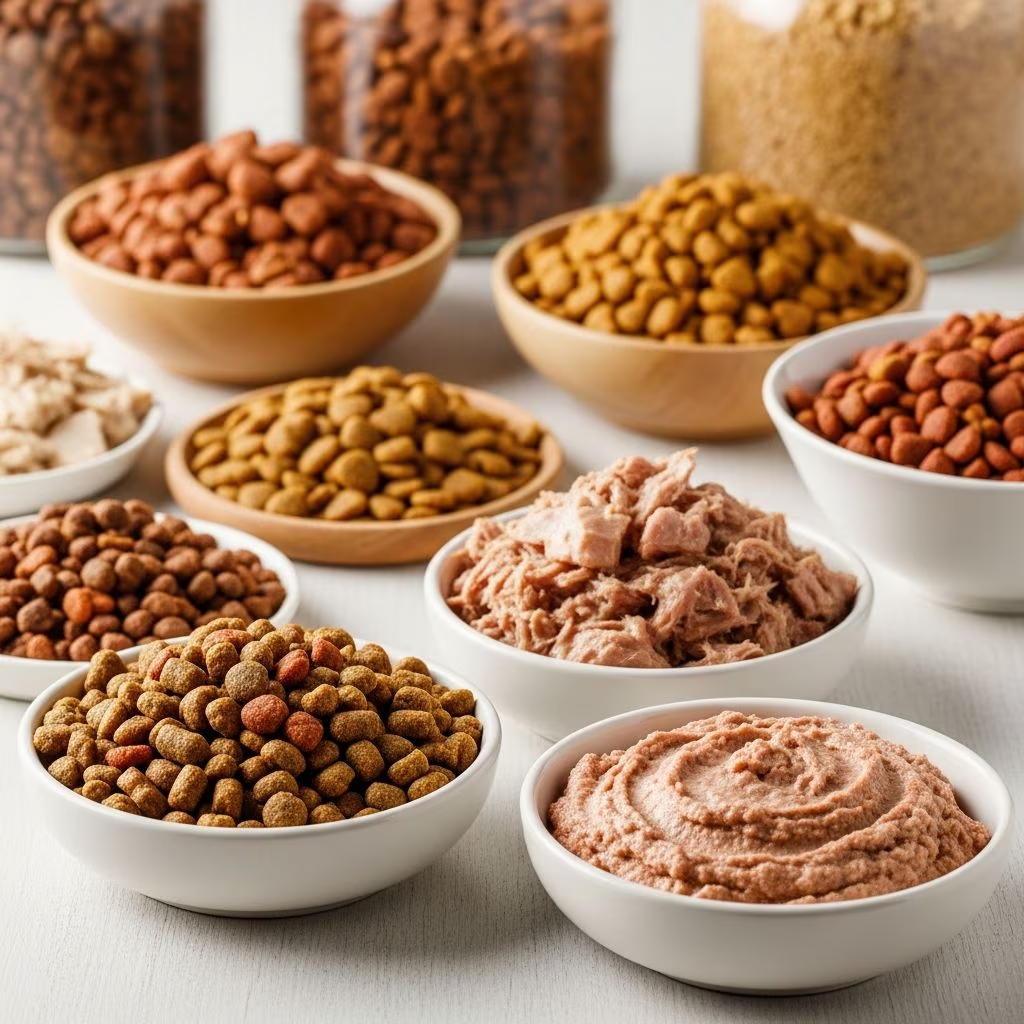
Cats are **obligate carnivores**, meaning their diet must be rich in animal-based proteins, moderate in fats, and low in carbohydrates to mimic their natural prey-based nutrition. Understanding the various types of cat food—dry, wet (canned), semi-moist, and fresh—is essential for providing balanced nutrition that supports muscle health, energy levels, skin and coat condition, and overall vitality. This guide breaks down each type, including their compositions, advantages, disadvantages, and selection tips, drawing from veterinary recommendations to help cat owners make informed choices.
Why Cat Nutrition Matters
Cats require specific nutrients unavailable in plant-based foods, including essential amino acids like **taurine**, **arginine**, and **methionine**, which are critical for heart function, vision, reproduction, and more. A proper feline diet should prioritize high-quality animal proteins as the first ingredients, with adequate fats for energy and omega-3/omega-6 fatty acids for skin health, while minimizing fillers like corn or wheat. Key nutritional benchmarks include at least 26% protein for adult cats, balanced calcium-phosphorus ratios, and moisture content that supports hydration, as cats often drink less water than needed. Veterinary sources emphasize reading labels: check the guaranteed analysis for crude protein, fat, fiber, and moisture, and ensure AAFCO standards for completeness.
Imbalanced diets can lead to deficiencies causing dilated cardiomyopathy (from low taurine), urinary issues (from dry food dehydration), or obesity (from high-carb formulas). Kittens need higher protein and calories fed 3-4 times daily, transitioning to twice-daily adult feedings by 6 months. Seniors may benefit from joint-supporting formulas with glucosamine. Always consult a vet for life-stage or health-specific needs.
Dry Cat Food (Kibble)
**Dry cat food**, or kibble, is the most common and affordable type, containing about 5-10% moisture after extrusion processing. It’s made by mixing meat meals, grains, fats, and binders, then baking or extruding into crunchy nuggets preserved with antioxidants. While convenient, its high carbohydrate content (often 35-50%) deviates from a cat’s natural 1-2% carb intake from prey.
- Pros: Long shelf life, dental benefits from crunchiness reducing tartar, easy portion control, and cost-effective for multi-cat homes.
- Cons: Low moisture promotes dehydration and urinary crystals; high carbs risk obesity and diabetes; processing destroys some nutrients, requiring synthetic additives.
Choose kibble listing named meats (e.g., chicken) first, with fats like chicken fat or fish oil, and minimal grains. Adult formulas should meet 26% min protein; avoid those with corn gluten as primary protein. Pair with fresh water or wet food to boost hydration.
Wet Cat Food (Canned)
**Wet cat food** boasts 75-78% moisture, closely resembling prey’s water content and aiding hydration—crucial since cats’ wild ancestors got most fluid from food. It’s gently cooked in cans or pouches, retaining natural flavors, proteins, and nutrients without heavy extrusion.
- Pros: Highly palatable for picky eaters, supports urinary health, lower carbs (ideal for obligate carnivores), and rich in animal proteins/organs for taurine and fatty acids.
- Cons: Shorter shelf life post-opening (refrigerate 3-5 days), higher cost per serving, and potential for overfeeding due to appeal.
Optimal canned foods feature whole meats or fish first, clear broths (not gravies with thickeners), and no artificial colors. It’s recommended for kittens, seniors, or cats prone to kidney issues. Feed 2-3 times daily, scraping plates clean to avoid bacteria.
Semi-Moist Cat Food
**Semi-moist cat food** offers 20-30% moisture, softer than kibble but firmer than canned, often in pouches with a paté or chunk texture. It uses humectants like corn syrup for preservation and moisture retention, balancing convenience and palatability.
- Pros: No refrigeration needed until opened, moderate moisture better than dry, appealing texture for finicky cats.
- Cons: Higher sugar/carb content from preservatives, more expensive than dry, less nutrient-dense than wet, and limited availability.
Less popular today due to improved wet options, but suitable as a transition food. Scrutinize for high-quality proteins over fillers.
Fresh Cat Food (Raw or Gently Cooked)
**Fresh cat food**—raw, frozen, or lightly cooked—mirrors wild diets with 70-80% moisture, unprocessed meats/organs/bones, minimal carbs, and whole-food vitamins. Brands gently pasteurize or freeze to kill pathogens while preserving nutrients.
- Pros: Optimal protein/fat balance, high bioavailability, excellent for allergies/skin issues, promotes lean weight and vitality.
- Cons: Highest cost, bacterial risks if not commercially prepared, cats may resist texture changes, requires thawing/handling.
Start kittens on mixed textures; source from reputable suppliers meeting AAFCO. Ideal for health optimization but vet-approved only.
How to Read Cat Food Labels
Labels reveal quality: **Guaranteed Analysis** lists min/max protein (≥26% dry matter for adults), fat (≥9%), fiber (≤4.5%), moisture. **Ingredients** descend by weight—prioritize named animal proteins over meals/by-products if first. Avoid excessive grains/fillers; seek natural preservatives like tocopherols. AAFCO statements confirm life-stage completeness.
| Nutrient | Adult Min (Dry Matter) | Source Example |
|---|---|---|
| Protein | 26-30% | Chicken, fish |
| Fat | 9% | Chicken fat, omega oils |
| Taurine | 0.1% | Meat/organs |
| Calcium/Phosphorus | 0.6-1.2% / 0.5-1% | Bone meal |
Choosing the Right Cat Food
Match to life stage: kittens (high protein/energy), adults (maintenance), seniors (lower cal/joints). Consider health—weight loss for obese cats, renal diets for kidney disease. Mix types for variety/hydration but transition gradually over 7-10 days to avoid GI upset. Budget vs. premium: invest in quality proteins over volume. Free-choice dry for kittens, measured portions for adults.
Frequently Asked Questions (FAQs)
What is the best type of cat food?
The best mimics natural diets: high-protein, low-carb wet or fresh, but depends on your cat’s preferences and health—consult a vet.
Is dry food bad for cats?
Not inherently, but its low moisture/high carbs can contribute to obesity and urinary issues if not balanced with wet food/water.
Can cats eat dog food?
No—lacks taurine and has excess carbs, risking deficiencies.
How much wet food per day?
About 3-4 oz per 5 lbs body weight, adjusted for calories—check labels.
Should I switch to raw food?
Possibly for optimal health, but use commercial sources and vet guidance to mitigate risks.
References
- Decoding Cat Nutrition: What to Look for in Your Cat’s Food — For Cats Only Vet. 2023. https://www.forcatsonlyvet.com/post/decoding-cat-nutrition-what-to-look-for-in-your-cat-s-food
- Cat Food Labels: Nutrition Facts and Key Ingredients — Willow Glen Pet Hospital. 2024. https://willowglenpethospital.com/cat-food-labels/
- Optimum Feline Nutrition – What Should You Feed Your Cat? — Johnson Animal Clinic. 2023. https://www.johnsonanimalclinic.com/services/cats/feline-nutrition-cat-food
- Cat Nutrition: Guide to Cat Food Nutrients — PetMD. 2024-05-15. https://www.petmd.com/cat/nutrition/cat-nutrition-what-makes-nutritional-cat-food
- Cat Nutrition Tips — ASPCA. 2024. https://www.aspca.org/pet-care/cat-care/cat-nutrition-tips
- Feeding Your Cat — Cornell University College of Veterinary Medicine. 2025. https://www.vet.cornell.edu/departments-centers-and-institutes/cornell-feline-health-center/health-information/feline-health-topics/feeding-your-cat



