

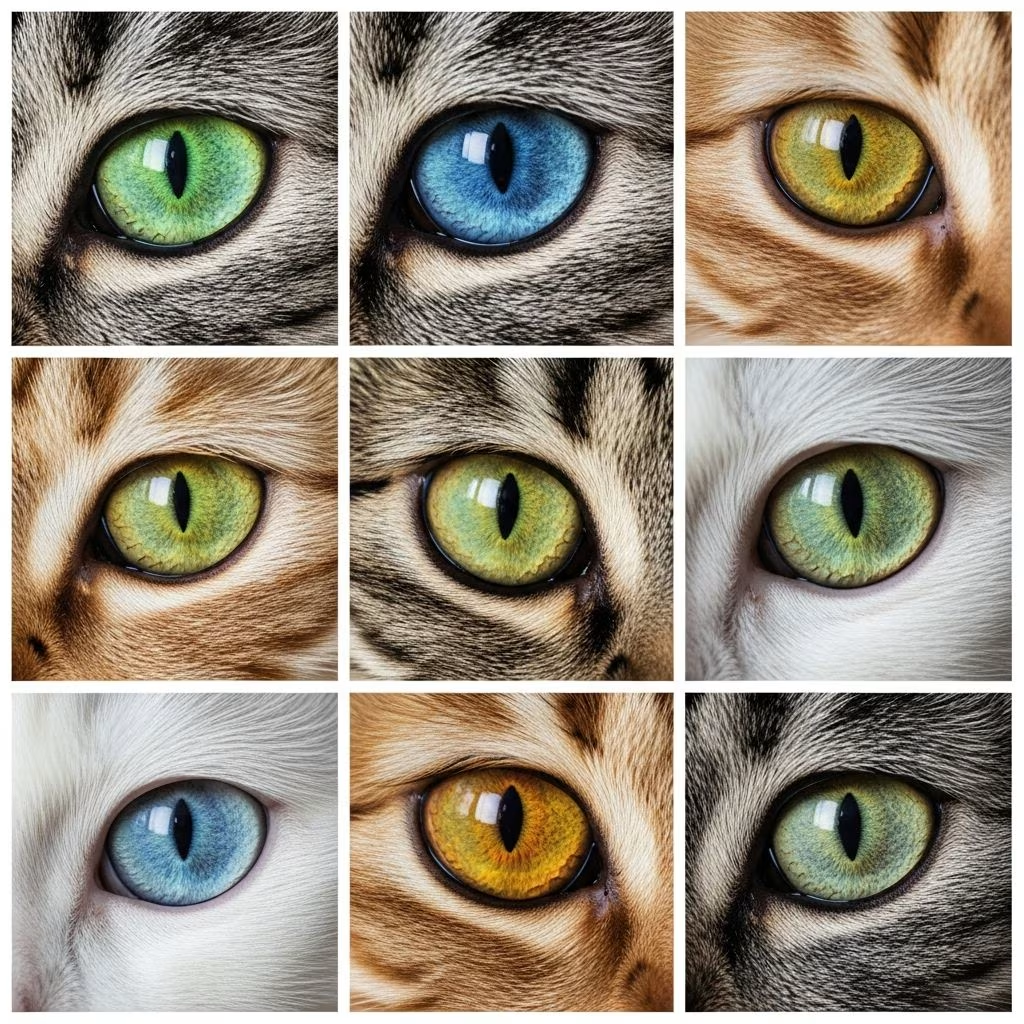
Cat eyes captivate with their vivid hues, ranging from piercing blue to warm amber. These colors result from melanin levels in the iris, influenced by genetics and breed. Understanding **cat eye colors** reveals insights into health, ancestry, and development.
How Cat Eye Colors Are Determined
Cat eye color stems from melanin—eumelanin (brown-black) and pheomelanin (red-yellow)—produced by melanocytes in the iris. Kittens start with blue eyes due to low melanin; color develops by 6-12 weeks as pigment increases.
Genetics control this via multiple polygenes. The amount of melanin dictates shade: low yields blue, moderate green/yellow, high brown/copper. White spotting or epistatic white genes suppress pigment, preserving blue.
Unlike coat color, eye color isn’t directly linked but correlates in pointed breeds like Siamese, where temperature-sensitive melanin creates blue points.
Common Cat Eye Colors
Most domestic cats have yellow, green, or amber eyes, reflecting moderate melanin.
- Yellow Eyes: Vibrant gold from lipochrome pigment. Prevalent in mixed breeds; healthy indicator unless cloudy.
- Green Eyes: Lipochrome plus light scattering. Common in European Shorthairs; genetics drive variation.
- Amber Eyes: Green-orange mix with low melanin. Seen in many breeds.
Rare Cat Eye Colors
Less common shades highlight specific genetics or mutations.
- Blue Eyes: Rare in adults; from minimal melanin. Linked to white cats (40% deafness risk) or pointed breeds like Siamese, Ragdoll.
- Copper Eyes: Intense reddish-brown, high melanin. Favored in Abyssinian, Bombay.
- Orange Eyes: Bright, lipochrome-dominant. Less common.
Odd-Eyed Cats (Heterochromia)
One blue, one colored eye—often in white cats like Turkish Van due to partial melanocyte suppression. Not hereditary as a single gene; linked to spotting. Usually healthy, but blue side may carry deafness risk.
Cat Eye Colors by Breed
| Breed | Typical Eye Colors | Notes |
|---|---|---|
| Siamese | Blue | Pointed pattern; almond-shaped |
| Persian | Copper, Green | Round eyes; breed standard |
| Abyssinian | Gold, Green, Copper | Nut-shaped |
| Turkish Van/Angora | Odd-eyed, Blue, Amber | Van pattern favors heterochromia |
| Maine Coon | Green, Gold | Expressive, large |
| British Shorthair | Copper | Round, vivid |
This table summarizes breed standards; mixed breeds vary widely.
Why Do Kittens’ Eye Colors Change?
Newborn kittens have blue eyes from immature melanocytes. By 3-4 weeks, melanin activates, shifting to permanent color by 8-12 weeks. Full intensity may take months. Exceptions: pointed breeds retain blue.
Health Implications of Cat Eye Colors
Eye color signals health indirectly.
- Blue in white cats: 40% deafness risk from Waardenburg-like syndrome.
- Yellow/amber cloudiness: Jaundice or cataracts—vet check needed.
- Sudden changes: Disease, injury, or aging.
- Heterochromia: Often benign, monitor hearing.
Regular exams ensure eye health regardless of color.
Caring for Your Cat’s Eyes
Maintain bright eyes with:
- Balanced diet rich in taurine, omega-3s.
- Prevent scratches/infections.
- Annual vet checks for glaucoma, ulcers.
- Gentle cleaning if discharge.
Breeders select for healthy pigmentation.
Frequently Asked Questions (FAQs)
Can all cats have blue eyes?
No, blue eyes are rare in adults, common in kittens and specific breeds/whites.
Are odd-eyed cats deaf?
Possible in blue eye; 40% risk in whites, but many hear normally.
Do eye colors affect vision?
No direct link; color from iris pigment doesn’t impact sight.
Can eye color change in adults?
Rarely; aging or illness may lighten/darken—consult vet.
What causes green eyes in cats?
Lipochrome yellow pigment plus light scattering.
Conclusion
Cat eye colors blend beauty and biology, from genetic pigments to breed signatures. Whether golden or mismatched, they enhance your cat’s allure. Observe changes and prioritize care for lifelong vibrancy.
References
- Blue, green, gold: Why eyes of wild cats vary in color — Harvard Gazette. 2024-10. https://news.harvard.edu/gazette/story/2024/10/blue-green-gold-why-eyes-of-wild-cats-vary-in-color/
- Exploring Feline Eye Colors: Genetics, Variations, and Care — Basepaws. N/A. https://basepaws.com/blog/cat-eye-colors-unveiling-the-mysteries-behind-your-felines-gorgeous-eyes
- Cat Coloring – Where Do Eye and Coat Colors Come From? — Colorado Feline Foster Rescue. N/A. https://coloradofelinefosterrescue.org/cat-coloring-where-do-eye-and-coat-colors-come-from/
- What Cat Eye Colors Reveal About Their Health and Genetics — Petbarnkw. N/A. https://petbarnkw.com/what-cat-eye-colors-reveal-about-their-health-and-genetics/
- Eye Colours — Messybeast. N/A. http://messybeast.com/eye-colours.htm



