

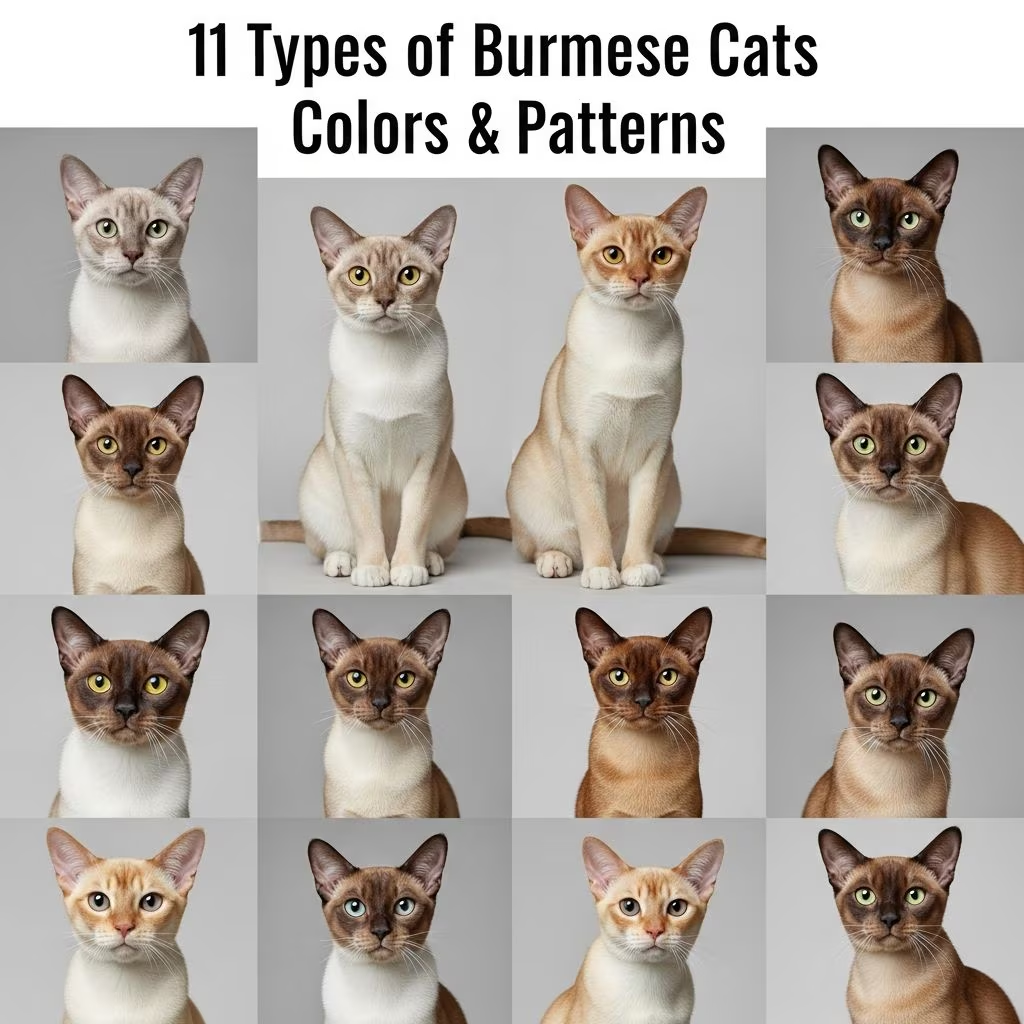
The Burmese cat is renowned for its elegant appearance, affectionate personality, and stunning array of coat colors and patterns. Originating from a cross between a Siamese and a small black cat named Wong Mau in the 1930s, this breed has captivated cat lovers worldwide with its playful, social nature and velvet-like short coat. Burmese cats exhibit a medium to large size, muscular build, and rounded features, including a broad head, large golden-yellow eyes, and a satin-textured coat that feels surprisingly heavy for their frame.
While the Cat Fanciers’ Association (CFA) recognizes only four traditional colors—sable, champagne, platinum, and blue—Burmese cats display a broader spectrum recognized by other registries like The International Cat Association (TICA), including reds, creams, torties, and more exotic patterns. These variations stem from the Burmese gene (c^b), which lightens black pigment to rich brown tones and influences color expression. This article explores all 11 types, covering CFA-accepted shades first, followed by additional colors and patterns, with details on appearance, genetics, and care. Burmese cats are people-oriented, vocal, and puppy-like, thriving in family environments but requiring interaction to avoid loneliness.
Cat Fanciers’ Association 4 Accepted Burmese Colors
The CFA upholds strict standards for Burmese show cats, limiting recognition to four solid colors derived from the original sable foundation. These emphasize even pigmentation without tabby markings, with darker shading on points that evens out in adulthood.
1. Sable
Sable Burmese cats boast a deep, rich coat blending chocolate tones, darkest along the back, flanks, tail, and face, fading to a warm coffee shade on the neck, chest, and underbelly. Nose leather and paw pads are a matching rich brown. Kittens start lighter but darken with age, achieving full color by two years. This is the classic Burmese color, evoking a glossy seal-brown sheen under light. Sable cats are hardy and exhibit the breed’s standard muscular build and playful demeanor.
2. Champagne
Champagne Burmese display a creamy honey base bleeding into ashy brown points on ears, face, paws, and tail, with the lightest tones on the chest and belly. Paw pads and nose are cinnamon-pink. Like sables, kittens appear paler initially, darkening over time to a warm, suffused glow. This color results from the Burmese dilution gene on a chocolate base, producing a soft, luxurious texture ideal for pet owners seeking a unique shade. Champagne Burmese are equally affectionate and energetic.
3. Platinum
Platinum Burmese feature a pale dove-gray coat with light pinkish undertones, darkest at points and lightening toward the underbody. Nose and pads are lavender-pink. Often mistaken for blue by novices, platinum’s subtle warmth sets it apart. Adult coats develop even depth, with kittens showing point color first. Prized in shows for rarity, platinums maintain the breed’s round head, golden eyes, and satin coat. They adapt well to indoor life with ample play.
4. Blue
Blue Burmese cats have a soft blue-gray coat, medium depth shading darker on points and paler underneath, with slate-blue nose and pads. This dilution of sable creates a powdery elegance. Kittens darken progressively, reaching maturity with a uniform, velvety finish. Blues embody the breed’s sociable temperament, often vocalizing softly like their Siamese ancestors. They require minimal grooming but benefit from weekly brushing to enhance shine.
Other Burmese Cat Colors & Patterns
Beyond CFA standards, TICA and other bodies recognize expanded varieties, including reds, creams, torties, and tabbies. These introduce complexity through additional genes like red (O) and tabby modifiers, while retaining the Burmese short coat and body type.
5. Red
Red Burmese cats flaunt a rusty tangerine coat, lighter on the belly blending to coppery red on back, ears, tail, and paws, often with a dark orange forehead marking. Not true red but apricot-shaded, this color intensifies with age. Reds are vibrant and outgoing, matching the breed’s mischievous personality.
6. Cream
Cream Burmese exhibit a pale cream coat with a powdery bloom on ears, head, and back, darkest at points. This dilute red yields a soft, peachy tone with flesh-pink nose and pads. Creams are gentle and tolerant, excellent with children and other pets.
7. Brown Tortie
Brown tortie Burmese mix rich sable with red patches, creating brindled patterns on a brown base. Paws and nose vary between brown and cinnamon. Torties display calico-like mottling, unique to each cat. Their feisty, social nature shines in multi-pet homes.
8. Blue Tortie (Dilute Tortie)
Blue tortie combines blue with cream, forming a diluted patchwork of gray and pale peach. Points are softly mottled, with lavender or pinkish pads. These serene beauties inherit the breed’s intelligence and playfulness.
9. Chocolate Tortie
Chocolate tortie blends champagne (milk chocolate) with red, yielding warm brown-red swirls. Distinct patching appears with maturity. Highly affectionate, they bond deeply with owners.
10. Lilac Tortie (Dilute Chocolate Tortie)
Lilac tortie mixes platinum with cream for a delicate dove-gray and peach mosaic, light and ethereal. Vocal and curious, they thrive on interaction.
11. Tabby Burmese (Rare)
Tabby Burmese, though non-standard, show ghost tabby markings or full patterns in any base color, like mackerel stripes on sable. These revert to ancestral Siamese tabby traits. Energetic climbers, they need toys and trees.
Burmese Cat Breed Overview
Burmese cats feature two type variations: traditional (British) with a slender wedge head and long body, versus contemporary (American) stocky build with round head and short muzzle. Both share short, glossy coats in even tones graduating darker at points, round paws, and medium tails. Eyes are large, rounded, gold to yellow. Weight: males 10-14 lbs, females 8-12 lbs; lifespan 12-16 years.
Burmese Cat Personality & Temperament
Burmese are extroverted clowns: playful, intelligent, vocal, and dog-like, learning fetch and following owners. They adore people, children, dogs, and cats but dislike solitude, potentially becoming destructive if bored. Soft voices encourage conversation; they demand involvement in family life.
Burmese Cat Health & Care
Robust but prone to obesity, diabetes, and congenital issues like hypotrichosis. Feed measured diets; provide climbers and toys. Brush weekly; low-shed coat suits allergy sufferers. Indoor-only due to fearlessness.
| Aspect | Details |
|---|---|
| Size | Medium-large, 8-14 lbs |
| Coat Care | Weekly brush |
| Activity | High; daily play |
| Family Fit | Excellent with kids/pets |
Frequently Asked Questions
What are the main types of Burmese cats?
The CFA recognizes sable, champagne, platinum, and blue; others include torties, reds, creams, and tabbies.
Do Burmese cats come in different patterns?
Yes, tortie and tabby patterns add variety beyond solids.
Are all Burmese colors recognized for shows?
No, only four by CFA; TICA accepts more.
How do Burmese kitten colors change?
They lighten and even out, darkening points with age.
Which Burmese color is most common?
Sable remains the traditional favorite.
References
- Burmese – The Governing Council of the Cat Fancy — GCCF. 2023. https://www.gccfcats.org/getting-a-cat/choosing/cat-breeds/burmese/
- What to Know About Burmese Cats — WebMD. 2024-05-15. https://www.webmd.com/pets/cats/what-to-know-about-burmese-cats
- Burmese cat — Wikipedia. 2025-01-10. https://en.wikipedia.org/wiki/Burmese_cat
- Burmese Cat Breed Information — Purina UK. 2024. https://www.purina.co.uk/find-a-pet/cat-breeds/burmese
- Burmese Cat Breed — Hill’s Pet Nutrition. 2024-08-20. https://www.hillspet.com/cat-care/cat-breeds/burmese
- 11 Types of Burmese Cat Colors, Breeds & Patterns — Catster. 2024-11-05. https://www.catster.com/lifestyle/types-of-burmese-cats/



