

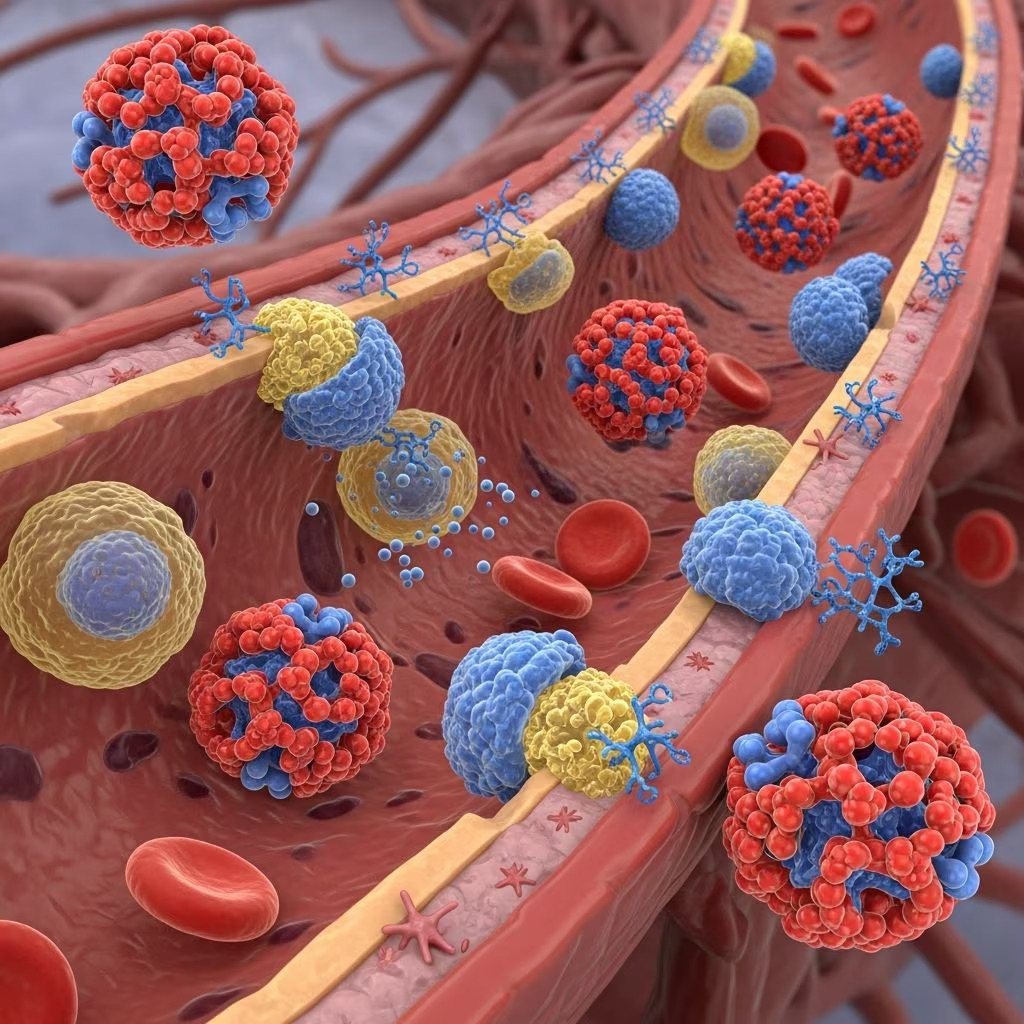
Type III immune reactions, also known as immune complex-mediated hypersensitivity, occur when antibodies bind to antigens forming complexes that deposit in tissues, sparking harmful inflammation. In cats, these reactions frequently link to underlying infections like feline leukemia virus (FeLV) or feline immunodeficiency virus (FIV), leading to conditions affecting kidneys, eyes, skin, and more.
The Science Behind Immune Complex Formation
The feline immune system normally protects against invaders by producing antibodies. However, when these antibodies latch onto persistent antigens—often from chronic infections—they form soluble immune complexes. These complexes circulate and lodge in small blood vessels, particularly in filtration sites like kidney glomeruli or eye tissues. This deposition activates complement proteins and attracts neutrophils, causing tissue damage through enzyme release and inflammation.
Common triggers in cats include viral pathogens such as FeLV, FIV, and feline infectious peritonitis (FIP) virus. These infections produce antigens that evade clearance, perpetuating complex formation. Unlike Type I or II reactions, Type III involves no direct cell targeting; damage is indirect via inflammatory cascades.
Primary Conditions Linked to Type III Reactions
Kidney Involvement: Glomerulonephritis Explained
Glomerulonephritis stands as a hallmark of Type III reactions in cats, where immune complexes trap in the kidney’s glomeruli—the tiny filters processing blood. This triggers proteinuria (excess protein in urine), blood in urine (hematuria), and progressive renal dysfunction.
- Early signs: Increased thirst and urination, mild lethargy.
- Advanced symptoms: Swelling (edema) in limbs or abdomen, breathing difficulties from fluid buildup, hypertension.
- Complications: Untreated cases evolve into chronic kidney disease, with high mortality if underlying infections persist.
Diagnosis involves urinalysis showing protein loss, blood tests for elevated creatinine, and renal biopsy confirming complex deposits. Treatment targets root causes: antivirals or supportive care for infections, ACE inhibitors for proteinuria, low-protein diets, and immunosuppressants like prednisolone.
Eye Disorders: Anterior Uveitis and Beyond
Immune complexes inflame the anterior uvea (iris and ciliary body), causing anterior uveitis. Parasites like Toxoplasma gondii or FIP virus often initiate this.
| Symptom | Description | Severity |
|---|---|---|
| Photophobia | Sensitivity to light, squinting | Mild to severe |
| Aqueous flare | Cloudy eye fluid from protein leakage | Moderate |
| Corneal edema | Swollen, hazy cornea | Severe |
| Miosis | Constricted pupil | Variable |
Topical corticosteroids, mydriatics for pupil dilation, and systemic immunosuppressants control inflammation. Prompt intervention prevents glaucoma or vision loss.
Systemic Impact: Lupus and Multi-Organ Effects
Systemic lupus erythematosus (SLE) rarely strikes cats but devastates when it does, with immune complexes attacking skin, joints, kidneys, and blood cells. FeLV/FIV associations heighten risk.
- Skin: Ulcers on nose, ears; butterfly rash.
- Blood: Anemia, thrombocytopenia.
- Other: Fever, lameness, oral sores, neurological signs.
Diagnosis uses ANA tests, biopsy, and ruling out infections. Lifelong immunosuppression with steroids and azathioprine or cyclosporine is standard, though cats metabolize azathioprine poorly, risking toxicity.
Diagnostic Approaches for Feline Type III Disorders
Veterinarians start with history and exam, noting infection history or viral status via SNAP tests for FeLV/FIV. Key diagnostics include:
- Bloodwork: Check for anemia, renal markers, ANA titer for lupus.
- Urinalysis: Protein:creatinine ratio >0.4 signals glomerulonephritis.
- Imaging: Ultrasound for kidney size, eye exams with slit-lamp.
- Biopsy: Gold standard, revealing immunofluorescence of deposits.
Differentiate from infections or neoplasia, as symptoms overlap.
Treatment Strategies: Balancing Suppression and Support
Therapy hinges on severity. Immunosuppression curbs complex formation but risks infections, especially in FeLV+ cats.
- First-line: Prednisolone (1-2 mg/kg/day), tapering based on response.
- Add-ons: Chlorambucil for refractory cases; monitor for GI upset, myelosuppression.
- Supportive: Antibiotics for secondary infections, fluids for renal support, anti-hypertensives.
- Nutraceuticals: Omega-3s may modulate inflammation, though evidence is anecdotal.
Cats on cyclosporine face vomiting (22%) or weight loss (14%); serial bloodwork is essential.
Prevention and Prognosis Insights
Vaccinate against FeLV; test and segregate positives. Early viral screening aids prevention. Prognosis varies: uveitis often resolves with treatment, while glomerulonephritis may progress to end-stage renal disease. Regular monitoring improves outcomes.
Frequently Asked Questions (FAQs)
What causes Type III reactions in cats?
Primarily chronic infections like FeLV, FIV, FIP, or Toxoplasma, leading to persistent antigens.
Can my cat recover from glomerulonephritis?
Many stabilize with treatment, but full recovery is rare if underlying disease persists.
Are steroids safe long-term for cats?
They control symptoms but require monitoring for diabetes, infections, and muscle wasting.
How do I know if my cat has lupus?
Multi-organ signs plus positive ANA test; biopsy confirms.
Should I vaccinate cats with immune disorders?
Avoid routine vaccines; consult vets for risk-benefit.
Monitoring Your Cat at Home
Track appetite, urine output, eye clarity, and limb swelling. Prompt vet visits at sign changes prevent crises. Holistic care—stress reduction, quality diet—supports immunity.
In summary, Type III reactions demand vigilant care, blending infection control, immunosuppression, and monitoring for optimal feline health.
References
- Disorders Involving Immune Complexes (Type III Reactions) in Cats — Merck Veterinary Manual. 2023. https://www.merckvetmanual.com/cat-owners/immune-disorders-of-cats/disorders-involving-immune-complexes-type-iii-reactions-in-cats
- Feline immune-mediated skin disorders: Part 2 — PMC (PubMed Central). 2024. https://pmc.ncbi.nlm.nih.gov/articles/PMC12033568/
- Immune-mediated disease in dogs and cats: management and more — Vet Times. 2023. https://www.vettimes.com/clinical/small-animal/immune-mediated-disease-in-dogs-and-cats-management-and-more
- Autoimmune Skin Disease in Cats — VCA Animal Hospitals. 2024. https://vcahospitals.com/know-your-pet/autoimmune-skin-disease-in-cats
- Animals and autoimmune diseases — RSPCA Pet Insurance. 2023. https://www.rspcapetinsurance.org.au/pet-care/health-and-wellbeing/autoimmune-diseases-dogs-and-cats



