

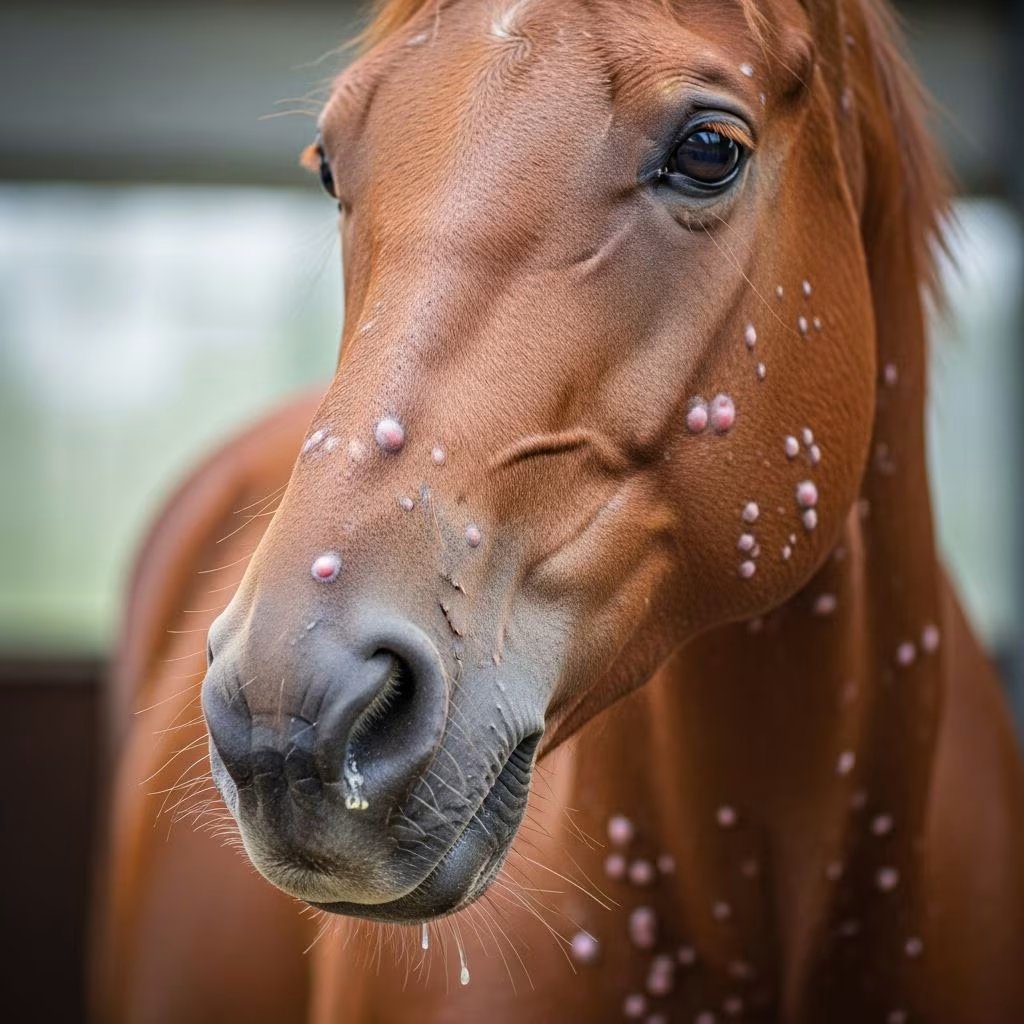
Horses, like many animals, can experience severe immune responses known as Type I hypersensitivity reactions. These immediate allergic reactions occur when the body overreacts to specific triggers, releasing chemicals that cause inflammation, swelling, and potentially life-threatening symptoms. Common in equine veterinary practice, these reactions range from mild skin irritations to full-blown anaphylaxis. Understanding their mechanisms, signs, and management is crucial for horse owners and veterinarians to ensure timely intervention.
The Immune Mechanism Behind Type I Reactions
Type I reactions, also called anaphylactic or immediate hypersensitivity, involve immunoglobulin E (IgE) antibodies. Upon first exposure to an antigen—such as a protein from an insect sting, vaccine, or feed component—the horse’s immune system produces IgE specific to that antigen. These antibodies bind to mast cells and basophils throughout the body. On subsequent exposure, the antigen cross-links IgE on these cells, triggering rapid degranulation. This releases histamine, leukotrienes, prostaglandins, and other mediators that promote vasodilation, increased vascular permeability, smooth muscle contraction, and mucus production.
In horses, this process can unfold within minutes, leading to localized effects like hives or systemic collapse. Genetic factors may predispose some horses, with enhanced IgE production and limited switching to protective IgG antibodies, influenced by cytokines like interleukin-4. Non-IgE pathways, such as direct mast cell degranulation by certain drugs or complement activation, can also contribute to anaphylactoid reactions mimicking true anaphylaxis.
Common Triggers in Equine Environments
Horses encounter numerous potential allergens in their daily lives. Identifying these is key to prevention.
- Insect bites and stings: Culicoides midges, wasps, and bees are frequent culprits, causing localized or systemic reactions.
- Vaccinations and medications: Parenteral administration of vaccines, antibiotics, or NSAIDs can provoke reactions, especially on second exposure.
- Feed and environmental allergens: Moldy hay, pollen, dust, or certain grains may trigger inhalation or ingestion reactions.
- Parasites: Conditions like onchocerciasis or habronemiasis release antigens leading to hypersensitivity.
- Other: Blood products, inhaled molds, or even exercise-induced triggers in susceptible horses.
Reactions typically manifest 5-20 minutes post-exposure, though delayed signs can occur.
Recognizing Anaphylactic Shock: A Medical Emergency
Anaphylactic shock represents the most severe form of Type I reaction, potentially fatal without immediate treatment. It involves widespread mediator release causing cardiovascular collapse, respiratory failure, and multi-organ dysfunction.
Classic signs include:
- Severe respiratory distress with tachypnea, dyspnea, and flared nostrils.
- Hypotension leading to weak pulse, tachycardia, cold extremities, and pale/blue mucous membranes.
- Gastrointestinal upset: profuse diarrhea, colic, salivation.
- Neurological effects: weakness, staggering, collapse, seizures, or sudden death.
- Edema in limbs, ventral abdomen, or face; urticaria may precede.
In horses, facial edema is less common than in other species, but head pruritus can occur. Death can ensue within minutes from asphyxiation or cardiac arrest. Owners report horses suddenly collapsing post-injection or sting, emphasizing the need for vigilance around known triggers.
Hives and Angioedema: Milder but Telling Signs
Less severe than shock, chronic or acute urticaria (hives) and angioedema (deeper swelling) are frequent Type I manifestations. Hives appear as raised, edematous wheals on the skin, often itchy and transient, resolving in 24 hours.
| Feature | Hives (Urticaria) | Angioedema |
|---|---|---|
| Affected Area | Superficial skin layers | Deeper subcutaneous tissues |
| Appearance | Flat-topped wheals, 1-5 cm | Diffuse, non-pitting swelling |
| Common Sites | Trunk, neck, legs | Face (muzzle, eyelids), genitals, legs |
| Severity | Mild pruritus, self-limiting | Potentially airway-obstructing |
Hives may arise from non-allergic causes like pressure, heat, or vasculitis, complicating diagnosis. Swelling in airways demands urgent care to prevent asphyxia.
Diagnostic Approaches for Equine Allergies
Diagnosis relies on history, clinical signs, and exclusion of differentials like colic or infection. Acute onset post-exposure strongly suggests Type I reaction.
- Intradermal testing: Injecting dilute allergens into skin to observe wheal formation, useful for insect or environmental hypersensitivities.
- Serum IgE testing: Measures allergen-specific IgE, though not always definitive.
- Allergy elimination trials: Removing suspect feeds or stabling indoors during pollen season.
- Biopsy/histology: Rarely, to rule out vasculitis or parasites.
Veterinarians may monitor response to antihistamines or epinephrine as supportive evidence.
Emergency Treatment Protocols
Time is critical in anaphylaxis. First-line treatment is intramuscular or intravenous epinephrine (1:1000, 0.01-0.02 mg/kg), repeated as needed to reverse hypotension and bronchospasm.
- Supportive fluids for shock.
- Corticosteroids (e.g., dexamethasone 0.05-0.1 mg/kg IV) to curb late-phase inflammation.
- Bronchodilators like aminophylline for respiratory distress.
- Antihistamines (e.g., diphenhydramine) for mild cases, though less effective in horses.
For hives/swelling, corticosteroids suffice, with removal of the allergen. Monitor for biphasic reactions occurring hours later.
Prevention Strategies for Horse Owners
Proactive measures reduce risk:
- Vaccine protocols: Premedicate with antihistamines for known reactors; split doses.
- Insect control: Fly sheets, repellents, stable fans.
- Feed management: Mold-free hay, hypoallergenic diets.
- Desensitization: Rare in horses, but allergen-specific immunotherapy under vet guidance.
Maintain detailed records of reactions to inform future care.
Prognosis and Long-Term Management
With prompt epinephrine, anaphylaxis survival exceeds 90%, though recurrences are possible. Chronic urticaria may persist seasonally, managed symptomatically. Genetic predispositions warrant breeding considerations.
Frequently Asked Questions (FAQs)
Can all horses develop anaphylaxis?
Any horse can, but those with prior sensitization or atopy are at higher risk.
How quickly does anaphylaxis start in horses?
Signs appear within seconds to 20 minutes.
Is epinephrine safe for horses?
Yes, when dosed correctly by a vet; it can cause transient tachycardia.
Do hives always indicate allergy?
No, infections or stress can mimic them; vet evaluation is essential.
Can diet cause these reactions?
Yes, contaminated feed or novel proteins can trigger Type I responses.
References
- Anaphylaxis in Horses (Equis) — Vetlexicon. Accessed 2026. https://www.vetlexicon.com/equis/internal-medicine/articles/anaphylaxis/
- Equine Allergies — O’Leno Large Animal Veterinary Services. Accessed 2026. https://www.olenovet.com/equine-allergies.php
- Adverse drug reactions in horses (Proceedings) — dvm360. Accessed 2026. https://www.dvm360.com/view/adverse-drug-reactions-horses-proceedings
- Disorders Involving Anaphylactic Reactions (Type I Reactions) in Horses — Merck Veterinary Manual. Accessed 2026. https://www.merckvetmanual.com/horse-owners/immune-disorders-of-horses/disorders-involving-anaphylactic-reactions-type-i-reactions-in-horses



