

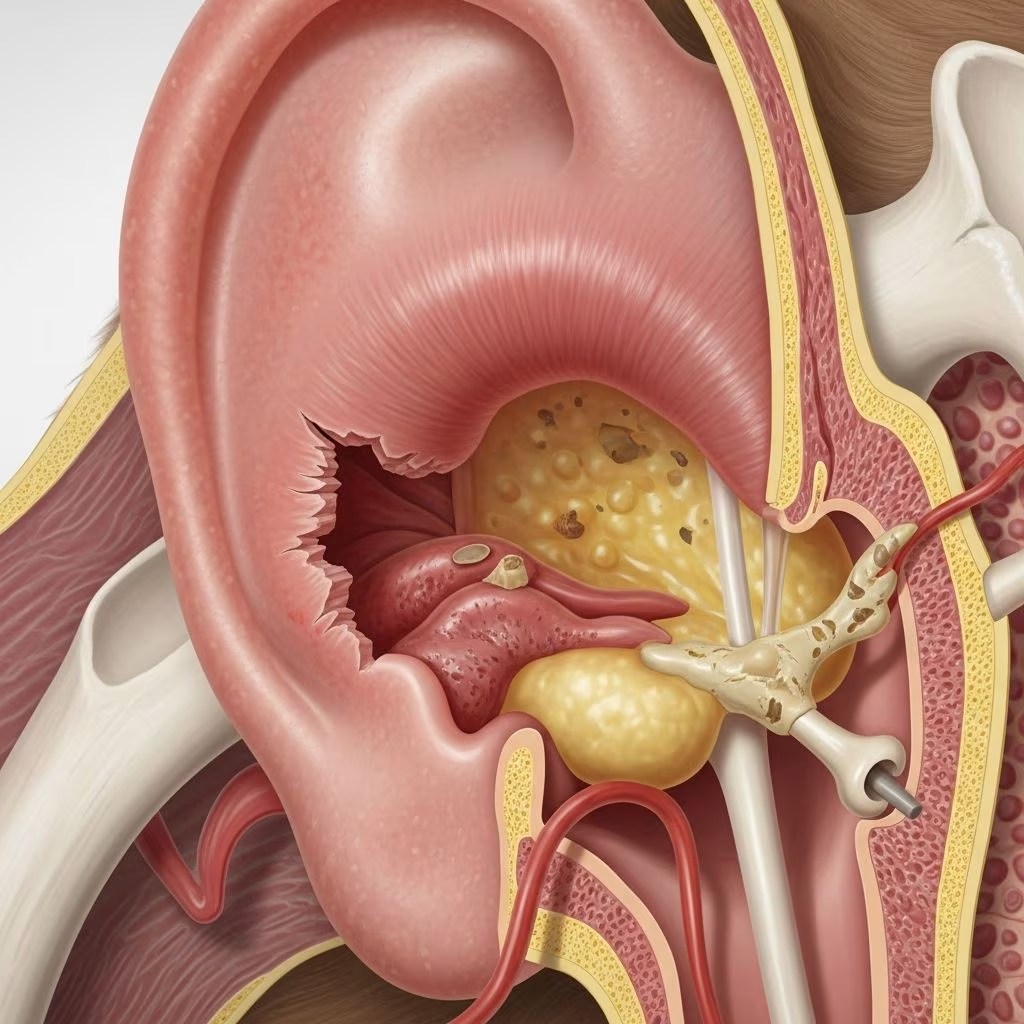
Understanding Tympanic Membrane Rupture and Middle Ear Infection in Dogs
The ears are complex structures that play a vital role in your dog’s hearing and balance. When infections develop in the middle ear or the tympanic membrane (eardrum) ruptures, it can cause significant discomfort and potentially serious complications if left untreated. Understanding these conditions, recognizing their symptoms, and knowing when to seek veterinary care is essential for every dog owner.
Middle ear infections, known as otitis media, occur when bacteria, fungi, or other pathogens invade the middle ear space behind the tympanum. A ruptured tympanic membrane can result from severe infections, trauma, or sudden pressure changes. Both conditions require prompt veterinary attention and appropriate treatment to prevent permanent hearing loss or vestibular system damage.
Anatomy of the Canine Ear
The canine ear is divided into three main sections: the external ear canal, the middle ear, and the inner ear. The tympanic membrane is a thin, translucent tissue that separates the external ear canal from the middle ear cavity. In healthy dogs, this membrane vibrates in response to sound waves, transmitting vibrations to the tiny bones within the middle ear (ossicles) that amplify the signal and send it to the inner ear.
The middle ear contains these small bones and connects to the throat through the Eustachian tube, which helps maintain pressure equilibrium. The facial and sympathetic nerves also run through the middle ear space, which explains why infections in this area can cause neurological symptoms beyond simple ear discomfort.
Causes of Middle Ear Infection and Tympanic Membrane Rupture
Middle ear infections typically develop when infections from the external ear canal progress deeper into the ear. The most common causes include:
- Chronic or severe external ear canal infections (otitis externa) that penetrate through the tympanic membrane
- Bacterial infections, often involving Pseudomonas species or Staphylococcus
- Fungal infections, particularly yeast organisms
- Foreign bodies lodged in the ear canal
- Trauma or injury to the ear region
- Sudden pressure changes or head trauma causing membrane rupture
- Underlying conditions like allergies, hypothyroidism, or seborrhea that predispose dogs to ear infections
- Congenital factors such as narrowed ear canals in certain breed types
The tympanic membrane can rupture due to accumulated pressure from fluid buildup behind the membrane, severe infection weakening the tissue, or direct trauma. Once ruptured, the membrane normally has the ability to heal if the underlying infection is properly treated.
Clinical Signs and Symptoms
Dogs with middle ear infections and ruptured tympanic membranes exhibit a variety of symptoms depending on the severity of the condition. The most common clinical signs of otitis media include:
- Head shaking and scratching
- Ear pain and sensitivity when the ear is touched
- Head tilting toward the affected side
- Pus-like or bloody discharge from the ear
- Inflamed or reddened ear canal
- Sudden hearing loss or decreased response to sounds
Because the facial and sympathetic nerves run through the middle ear, infections in this region can cause neurological symptoms:
- Facial nerve paralysis, including inability to blink or move the face on the affected side
- Horner’s syndrome (characterized by a drooping eyelid, constricted pupil, sunken eye appearance, and protrusion of the third eyelid)
- Dry eye condition (keratoconjunctivitis sicca)
- Loss of balance and incoordination
- Nystagmus (involuntary eye movements or eyes darting back and forth)
- Nausea and vestibular system disturbances
The severity of symptoms often correlates with the extent of infection and whether the tympanic membrane is intact or ruptured. Some dogs may display mild symptoms while others experience severe neurological signs requiring emergency veterinary attention.
Diagnosis of Ear Infections and Membrane Rupture
Accurate diagnosis is crucial for developing an appropriate treatment plan. Your veterinarian will conduct a comprehensive evaluation starting with a thorough history and physical examination.
Otoscopic Examination
The primary diagnostic tool for assessing ear health is the otoscope, an instrument that allows visualization of the ear canal and tympanic membrane. In healthy dogs, the normal tympanic membrane appears as a thin, translucent membrane at the base of the horizontal canal. With a ruptured eardrum, the membrane will appear absent, and the middle ear cavity becomes visible.
Visualizing the tympanic membrane can be challenging in dogs with acute infections due to inflammation, debris, and discharge in the canal. Chronic infections may make visualization even more difficult because the ear canal becomes narrowed (stenotic) with accumulated material. Additionally, pain associated with ear infections makes thorough examination challenging without sedation.
Advanced Imaging
When the tympanic membrane remains intact, advanced imaging techniques may be necessary for definitive diagnosis. CT (computed tomography) and MRI (magnetic resonance imaging) scans can reveal inflammation in the middle ear, fluid accumulation, and other internal changes not visible on routine otoscopic examination. These imaging modalities are particularly valuable for distinguishing between simple external ear infections and more serious middle ear involvement.
In cases where the tympanic membrane is ruptured, diagnosis becomes more straightforward because a fluid-filled middle ear cavity may be directly visualized during otoscopy. However, advanced imaging may still be recommended to assess the extent of infection and rule out inner ear involvement (otitis interna).
Culture and Sensitivity Testing
When middle ear infection is suspected or confirmed, your veterinarian may obtain samples for bacterial or fungal culture. This testing identifies the specific organisms causing the infection and determines which antimicrobial medications will be most effective. Culture and sensitivity results guide selection of systemic antibiotics and help prevent unnecessary broad-spectrum antibiotic use.
Treatment Approaches
Treatment for middle ear infections with a ruptured tympanic membrane requires a multimodal approach combining medical therapy with supportive care. The goals are to eliminate the infection, manage pain, promote healing of the ruptured membrane, and restore ear function when possible.
Ear Cleaning and Flushing
Thorough ear cleaning is a critical component of treatment. If significant swelling, debris, or pain is present, sedation or anesthesia is typically necessary to allow proper cleaning without causing additional trauma or distress to the dog. During the cleaning process, your veterinarian will gently flush the ear canal to remove debris, discharge, and pus that may interfere with medication effectiveness.
When flushing an ear with a ruptured tympanic membrane, special precautions must be taken. Fluid can travel through the middle ear into the Eustachian tube and throat, potentially being aspirated into the lungs. Veterinarians prevent this by positioning the dog with its head angled downward during the procedure, allowing gravity to prevent fluid from entering the airway.
Ear cleaners with no ototoxicity should be selected for this process. Products containing boric acid or zinc can be particularly useful for cleaning and may have mild antimicrobial properties.
Topical Medications
When the tympanic membrane is intact, topical ear medications can be safely applied directly into the ear canal. However, when the membrane is ruptured, only ototoxic-safe topical medications should be used, as any medication reaching the middle ear or inner ear could cause permanent hearing damage or vestibular dysfunction. Your veterinarian will carefully select appropriate topical treatments that do not risk further injury to delicate inner ear structures.
Systemic Antibiotics
Systemic antibiotics administered orally or by injection are essential for treating middle ear infections. These medications should be selected based on culture and sensitivity results when available. Treatment courses are typically longer for middle ear infections than for simple external ear canal infections, often lasting 6 to 12 weeks to achieve a clinical cure. Some cases of inner ear involvement (otitis interna) may require treatment for up to 4 months.
Appropriate antibiotic selection is crucial because ineffective treatment can lead to chronic infection, permanent damage, or development of resistant bacterial strains.
Pain Management
Otitis media is an extremely painful condition, and appropriate pain relief is a vital component of treatment. Your veterinarian will prescribe suitable analgesic medications to manage your dog’s discomfort. Anti-inflammatory medications, particularly corticosteroids, may be prescribed during the first week of treatment to decrease pain, reduce inflammation, and protect nearby nerves from inflammatory damage.
Antifungal Medications
If fungal organisms are identified as the cause of the middle ear infection, oral antifungal medications will be prescribed to complement other treatments. Fungal infections can be particularly challenging to treat and may require extended therapy periods.
Surgical Considerations
If the tympanic membrane is intact and medical therapy is unsuccessful, a myringotomy (surgical incision in the eardrum) may be performed to aid in diagnosis and facilitate treatment by allowing direct access to the middle ear. In severe cases where chronic ear disease develops despite medical management, total ear canal ablation and bulla osteotomy may be considered, though these procedures result in permanent hearing loss on the affected side.
Healing and Recovery
A ruptured eardrum in a dog will heal if the underlying disease process that caused the damage is successfully treated. Healing timelines vary depending on the severity of ear disease and the extent of the rupture. Small perforations of the eardrum typically heal within 2 to 3 weeks with appropriate treatment. More severe cases may require several weeks or even months for complete healing to occur.
Complete recovery typically takes 3 to 6 weeks if the rupture has not required surgical intervention and your dog responds well to the comprehensive treatment plan. However, some dogs may experience permanent complications such as partial hearing loss if significant inner ear damage occurred during the infection.
Prevention and Long-term Management
Preventing middle ear infections begins with maintaining good external ear health. Regular ear cleaning, prompt treatment of external ear infections, and management of underlying conditions like allergies can significantly reduce the risk of middle ear involvement. Dogs prone to ear infections may benefit from periodic preventive ear cleaning with ototoxic-safe products.
For dogs with chronic ear disease, regular veterinary monitoring is essential. Your veterinarian may recommend periodic otoscopic examinations or advanced imaging to detect early signs of middle ear involvement before serious complications develop.
Frequently Asked Questions
Q: Can a dog’s ruptured eardrum heal on its own?
A: Yes, a ruptured eardrum can heal if the underlying infection is properly treated. However, appropriate veterinary care is essential to ensure the infection is eliminated and complications are prevented.
Q: How long does it take for a dog’s ruptured eardrum to heal?
A: Small perforations typically heal within 2 to 3 weeks with appropriate treatment. More severe cases may require several weeks to months for complete healing, depending on the severity of the initial infection.
Q: Will my dog lose hearing permanently from a ruptured eardrum?
A: Not necessarily. If treatment is prompt and effective, many dogs regain normal hearing once the rupture heals. However, severe infections or inner ear damage may result in permanent partial or complete hearing loss on the affected side.
Q: Why does my dog tilt their head if they have an ear infection?
A: Head tilting typically indicates vestibular system involvement, which occurs when middle ear or inner ear infections affect the balance organs. This is a common neurological sign of serious ear infections.
Q: Can I use regular ear drops if my dog has a ruptured eardrum?
A: No. Only ototoxic-safe medications should be used when the tympanic membrane is ruptured. Using regular ear drops could cause permanent damage to the inner ear structures. Always follow your veterinarian’s specific medication recommendations.
Q: How is a ruptured eardrum diagnosed?
A: Veterinarians use otoscopic examination to visualize the tympanic membrane. If visualization is difficult, advanced imaging such as CT or MRI scans may be necessary for definitive diagnosis.
References
- Management of canine otitis in the presence of a ruptured tympanic membrane — Mill Pledge Veterinary. Accessed 2025. https://millpledge.com/blog/management-of-canine-otitis-in-the-presence-of-a-ruptured-tympanic-membrane
- Ruptured Eardrums in Dogs: Symptoms & Treatment — Santa Cruz Animal Care Veterinary Street. 2024. https://www.scacvetstreet.com/site/blog/2024/08/15/ruptured-eardrums-dogs
- Canine otitis: Treatment advice from the ear tip to the tympanic membrane — DVM360. Accessed 2025. https://www.dvm360.com/view/canine-otitis-treatment-advice-from-the-ear-tip-to-the-tympanic-membrane
- Otitis Media and Interna in Dogs — Merck Veterinary Manual. Merck & Co., Inc. Accessed 2025. https://www.merckvetmanual.com/dog-owners/ear-disorders-of-dogs/otitis-media-and-interna-in-dogs
- Eardrum Rupture in Dogs – Symptoms, Causes, Diagnosis — Wag! Pets. Accessed 2025. https://wagwalking.com/condition/eardrum-rupture



