

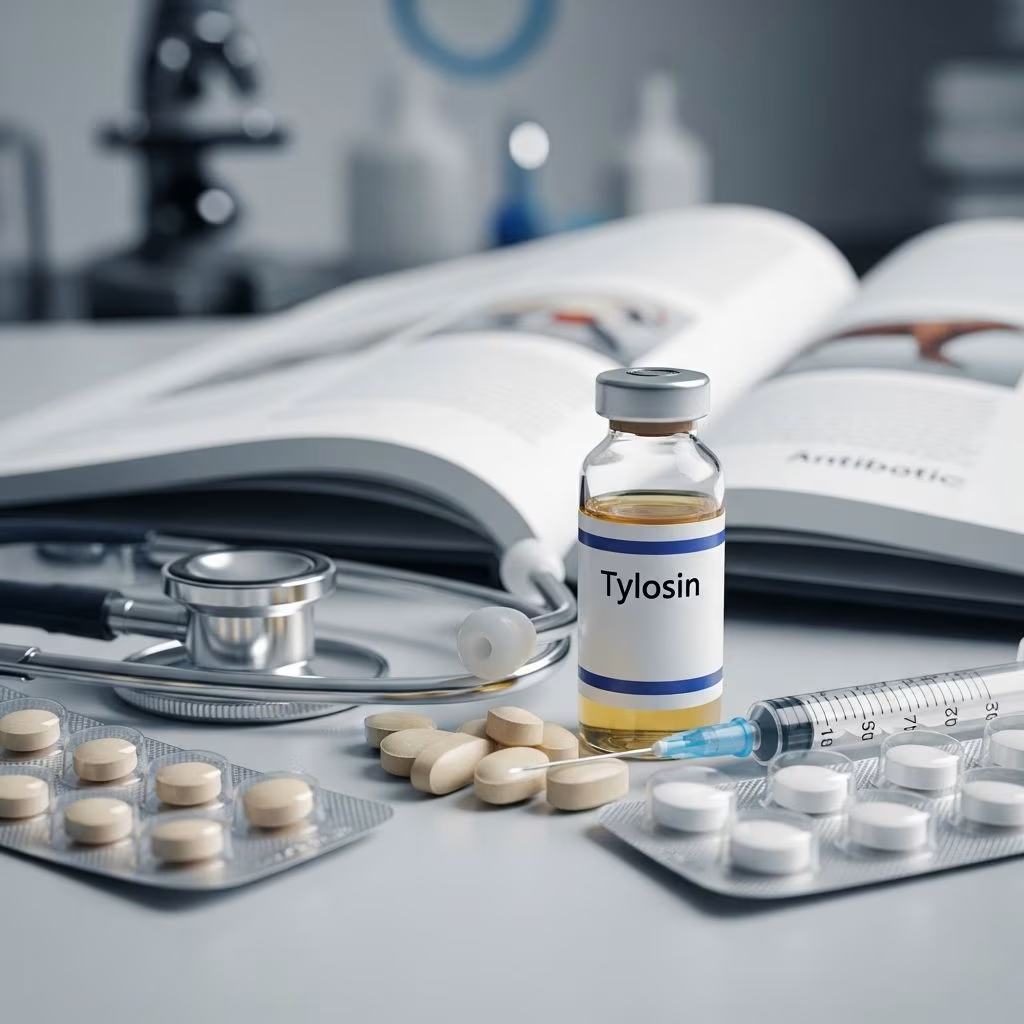
What Is Tylosin?
Tylosin is a macrolide antibiotic produced by the bacterium Streptomyces fradiae. It is used in veterinary medicine to treat a wide range of bacterial infections in various species, including dogs, cats, livestock, and even honeybees. Tylosin is classified as a bacteriostatic agent, meaning it inhibits the growth and reproduction of bacteria rather than killing them outright. This allows the animal’s immune system to more effectively combat the infection.
Clinical Uses of Tylosin
Tylosin is primarily used to treat bacterial infections in animals, but its applications extend beyond just infection control. It is also used as a growth promoter in food-producing animals and to manage certain gastrointestinal conditions in companion animals.
Treatment of Bacterial Infections
Tylosin is effective against a broad spectrum of Gram-positive bacteria and some Gram-negative bacteria. It is commonly used to treat:
- Respiratory infections in cattle, sheep, and goats
- Mastitis in cattle, sheep, and goats
- Enteritis, pneumonia, erysipelas, and infectious arthritis in swine
- Soft-tissue infections in small animals
- Digestive and upper airway infections in chickens and turkeys
- Sinus infections in turkeys
- Infections in pigs
- American Foulbrood in honeybees
Management of Gastrointestinal Issues
In dogs and cats, tylosin is often used to treat inflammatory diseases of the digestive system, such as colitis and inflammatory bowel disease (IBD). It is also used to manage chronic colitis and diarrhea caused by bacterial infections. Tylosin is considered safer for long-term use compared to other antibiotics, making it a preferred choice for managing chronic gastrointestinal conditions.
Other Uses
Tylosin has been used as a growth promoter in food-producing animals, including terrestrial and aquatic species grown for human consumption. It is also used to reduce epiphora (tear staining) around the eyes of white-faced dogs, although this use is controversial due to concerns about antibiotic resistance.
How Tylosin Works
Tylosin works by inhibiting bacterial protein synthesis. It binds to the 50S subunit of the bacterial ribosome, preventing the formation of new proteins necessary for bacterial growth and reproduction. This bacteriostatic action allows the animal’s immune system to more effectively combat the infection.
Administration and Dosage
Tylosin is available in various forms, including powder, tablets, and injectable solutions. The most common form for pets is powder, which can be mixed with food or a treat to ensure the animal takes the full dose. The dosage and duration of treatment should be determined by a veterinarian based on the specific condition being treated and the animal’s weight and health status.
Oral Administration
Tylosin powder is typically administered orally. It can be mixed with food or a treat to make it more palatable for the animal. It is important to follow the veterinarian’s prescribed dosage and duration of treatment. Stopping the medication early, even if symptoms improve, can lead to incomplete eradication of the infection and the development of antibiotic resistance.
Dosage Adherence
Adhering to the prescribed dosage and treatment duration is crucial for the effectiveness of tylosin. Overuse or underuse of the medication can lead to treatment failure and the development of antibiotic resistance. Always consult with a veterinarian before making any changes to the treatment plan.
Safety and Side Effects
Tylosin has a high margin of safety and is generally well-tolerated by most animals. However, like all medications, it can cause side effects in some cases. Common side effects include:
- Gastrointestinal upset (vomiting, diarrhea)
- Loss of appetite
- Allergic reactions (rare)
If any side effects are observed, it is important to contact a veterinarian immediately.
Controversies and Concerns
The use of tylosin to reduce tear-staining in dogs is controversial. Overuse of antibiotics can lead to the development of antibiotic resistance, which can make it more difficult to treat serious infections in the future. Since tear-staining is a cosmetic issue, it is recommended that pet owners seek non-antibiotic treatments to avoid contributing to antibiotic resistance.
Off-Label Use
The use of tylosin in cats, dogs, and reptiles is considered an off-label or extra-label use. This means that the medication is used in a way or in a species that is not specified on the medication label. Veterinarians can legally prescribe medications for off-label use in certain circumstances, but it is important to follow their guidance and monitor the animal for any adverse effects.
FAQs
Q: Is tylosin safe for long-term use in pets?
A: Tylosin is generally considered safe for long-term use in pets, especially for managing chronic gastrointestinal conditions. However, it is important to follow the veterinarian’s guidance and monitor the animal for any side effects.
Q: Can tylosin be used in horses?
A: No, tylosin should not be used in horses due to the risk of life-threatening diarrhea.
Q: What are the common side effects of tylosin?
A: Common side effects include gastrointestinal upset (vomiting, diarrhea), loss of appetite, and allergic reactions (rare).
Q: Is tylosin effective against all types of bacteria?
A: Tylosin is effective against a broad spectrum of Gram-positive bacteria and some Gram-negative bacteria, but it is not effective against tylosin-resistant E. coli and Salmonella.
Q: Can tylosin be used to treat tear-staining in dogs?
A: Tylosin can be used to reduce tear-staining in dogs, but this use is controversial due to concerns about antibiotic resistance. Non-antibiotic treatments are recommended for cosmetic issues.
References
References
- Tylosin – Wikipedia — Wikipedia. 2023-09-15. https://en.wikipedia.org/wiki/Tylosin
- Tylosin for Dogs – Wag! — Wag! 2023-09-15. https://wagwalking.com/treatment/tylosin-for-dogs
- Tylosin Powder for Pets – SmartyVets — SmartyVets. 2023-09-15. https://www.smartyvets.com/products/tylosin-powder-for-pets
- Tylosin – JAM Veterinary Services — JAM Veterinary Services. 2023-09-15. https://www.jamdvm.com/tylosin
- Tylosin Tartrate | Dog, Cat, Pet Medication – PetMD — PetMD. 2023-09-15. https://www.petmd.com/pet-medication/tylosin-tartrate
- Veterinary medicinal products containing tylosin to be administered … — European Medicines Agency. 2014-07-31. https://www.ema.europa.eu/en/medicines/veterinary/referrals/veterinary-medicinal-products-containing-tylosin-be-administered-orally-feed-or-drinking-water-pigs
- Tylosin: Uses, Interactions, Mechanism of Action | DrugBank Online — DrugBank. 2023-09-15. https://go.drugbank.com/drugs/DB11475



