

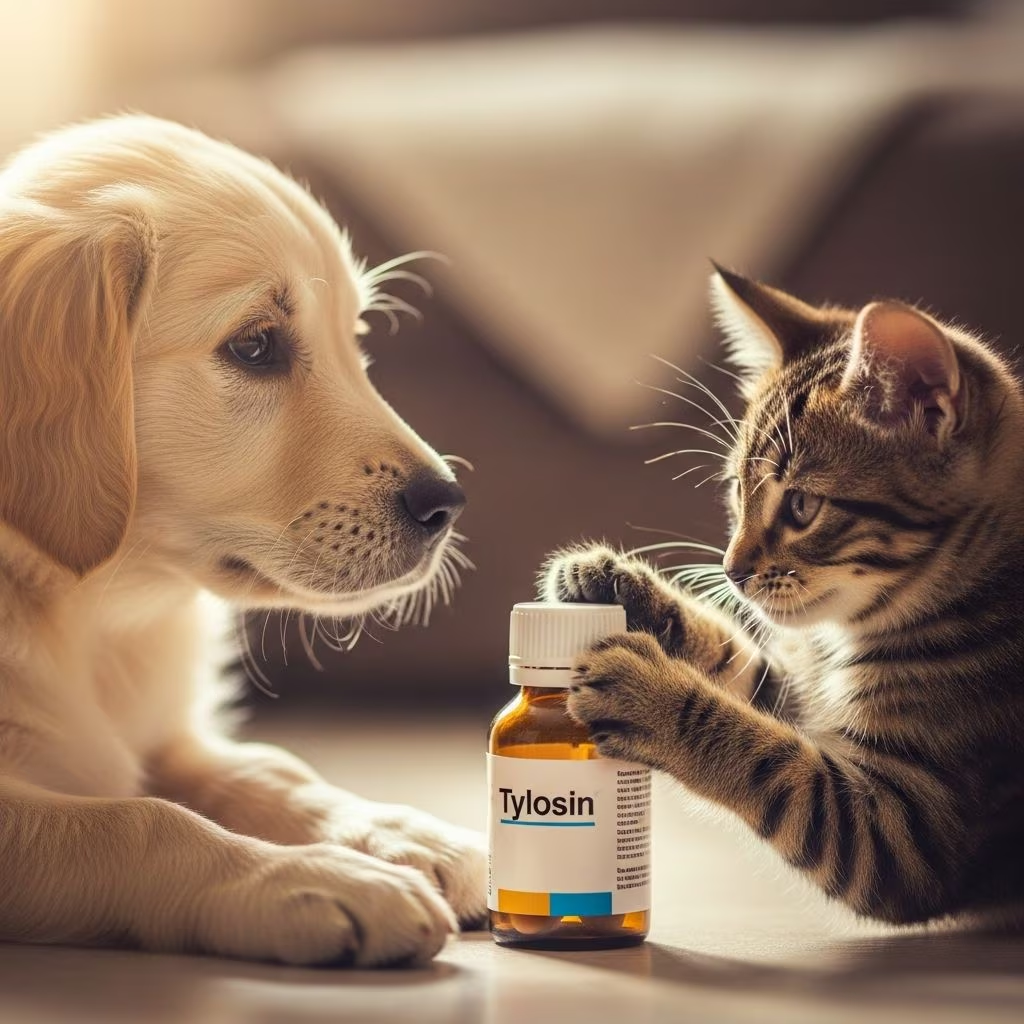
Tylosin for Pets
Tylosin is a macrolide antibiotic commonly used in veterinary medicine to treat various bacterial infections and inflammatory conditions in companion animals. As a bacteriostatic medication, tylosin works by preventing bacteria from growing and dividing rather than directly killing the organisms, allowing your pet’s immune system to overcome the infection more effectively. Understanding this medication is essential for pet owners whose veterinarians prescribe it as part of their pet’s treatment plan.
What Is Tylosin?
Tylosin is a macrolide antibiotic produced as a fermentation product of Streptomyces fradiae, a naturally occurring bacterium. This medication belongs to a class of antibiotics known for their broad-spectrum activity against various pathogens. Tylosin is available in multiple formulations, including powder, oral suspension, capsules, and injectable forms, making it versatile for different treatment needs and administration preferences.
The medication functions as a bacteriostatic agent, meaning it inhibits bacterial protein synthesis rather than destroying bacterial cells outright. By blocking the bacteria’s ability to create essential proteins necessary for survival and reproduction, tylosin gives your pet’s immune system the opportunity to eliminate the infection naturally.
Spectrum of Activity
Tylosin demonstrates a broad spectrum of activity, particularly against Gram-positive bacteria. It is effective against several important pathogens including Staphylococcus, Streptococcus, Corynebacterium, and Erysipelothrix species. Additionally, tylosin shows exceptional activity against Mycoplasma species found in both mammalian and avian hosts.
While tylosin has a narrower range of activity against Gram-negative organisms, it remains effective against certain important pathogens including Campylobacter coli and specific spirochaetes. This selective spectrum makes tylosin particularly valuable for treating specific infections while minimizing unnecessary broad-spectrum antibiotic exposure.
Primary Uses in Dogs and Cats
In companion animals, tylosin is primarily used off-label to treat inflammatory and infectious conditions of the gastrointestinal tract. Off-label use means the veterinarian prescribes the medication in a manner not specifically listed on the drug label, which is a legal and common practice in veterinary medicine when used appropriately.
Gastrointestinal Conditions
Tylosin is frequently prescribed for managing chronic colitis, inflammatory bowel disease (IBD), and antibiotic-responsive diarrhea in dogs and cats. Many veterinarians prefer tylosin for long-term gastrointestinal management due to its favorable safety profile for extended use. The medication’s anti-inflammatory properties, combined with its ability to suppress problematic bacteria while potentially promoting beneficial intestinal flora, make it an excellent choice for chronic digestive issues.
Bacterial Infections
Beyond gastrointestinal applications, tylosin effectively treats various bacterial infections in soft tissues, respiratory systems, and skin. It has demonstrated efficacy against pyoderma caused by Staphylococcus bacteria, with studies showing approximately 90% effectiveness in successfully treating this condition. Tylosin is also used to treat infections caused by Cryptosporidium, a parasitic organism that causes intestinal infections.
Tear Staining Reduction
Some veterinarians prescribe tylosin to reduce tear staining, a cosmetic issue that affects many small dog breeds, resulting in rusty red to brown stains in facial fur. However, this use remains controversial due to concerns about contributing to antibiotic resistance. Since tear staining is primarily a cosmetic concern rather than a health threat, many veterinarians recommend non-antibiotic alternatives to preserve the effectiveness of life-saving antibiotics.
Dosage Information
Tylosin dosage varies based on your pet’s specific condition, weight, and the formulation used. Your veterinarian will determine the appropriate dose tailored to your individual pet’s needs. Generally, effective doses for treating diarrhea in dogs range from 5 mg to 15 mg, though your veterinarian may adjust this based on response to therapy.
The medication is typically administered orally as a powder mixed with food, a liquid suspension, or capsules. In some cases, veterinarians may administer tylosin by injection. Tylosin can be given for short-term acute conditions or used as long-term maintenance therapy for chronic conditions requiring ongoing management.
How to Administer Tylosin
Proper administration ensures your pet receives the full therapeutic benefit of tylosin. The medication can be given with or without food, though administering it with food may help minimize gastrointestinal upset in some animals.
Administration Guidelines
- Mix powder formulations thoroughly with your pet’s regular food or a treat to ensure complete dose consumption
- Administer liquid suspensions using a syringe or dosing device for accurate measurement
- Give capsules directly by mouth or hidden in a treat, depending on your pet’s cooperation
- Complete the full course of antibiotics as prescribed, even if symptoms improve, to prevent relapse and reduce antibiotic resistance
- Maintain consistent dosing intervals as directed by your veterinarian
Effectiveness and Efficacy
Tylosin acts relatively quickly, taking effect within 1 to 2 hours of administration, though you may not observe noticeable clinical improvements until several days into treatment. Clinical response depends on the specific condition being treated and your individual pet’s response to therapy.
Research demonstrates that tylosin effectively treats diarrhea and diarrhea relapse at therapeutic doses. One study found that tylosin doses ranging from 5 mg to 15 mg proved effective in managing diarrhea in dogs. Approximately 90% of dogs with pyoderma caused by Staphylococcus bacteria responded successfully to tylosin therapy.
As a broad-spectrum antibiotic, tylosin shows effectiveness against many Gram-positive and Gram-negative bacteria, though it is not effective against tylosin-resistant E. coli and Salmonella. Veterinary culture and sensitivity testing can determine whether specific bacterial infections will respond to tylosin before starting treatment.
Possible Side Effects
While tylosin is generally well-tolerated and considered safe for long-term use in dogs and cats, side effects can occur in some animals. Understanding potential adverse reactions helps you recognize when to contact your veterinarian.
Common side effects may include gastrointestinal upset, including nausea, vomiting, diarrhea, or loss of appetite. Some pets may experience mild lethargy or behavioral changes. These side effects are typically mild and often resolve as the pet’s body adjusts to the medication.
More serious but rare side effects could include allergic reactions or hypersensitivity responses. Pets with known allergies to macrolide antibiotics like erythromycin or azithromycin should not receive tylosin due to cross-sensitivity risks.
Drug Interactions and Precautions
Tylosin is related to the antibiotic erythromycin and shares several potential drug interactions. Before beginning tylosin therapy, inform your veterinarian about all medications and supplements your pet currently takes.
Important Drug Interactions
Medications that may interact with tylosin include:
- Azole antifungal medications
- Cisapride (gastric motility agent)
- Other antibiotics including chloramphenicol, clindamycin, and lincomycin
- Cyclosporine (immunosuppressant)
- Warfarin (anticoagulant)
- Certain chemotherapy drugs
- Digoxin (cardiac medication)
Species-Specific Warnings
Tylosin should never be administered to horses due to the risk of life-threatening diarrhea. The medication can be harmful or fatal in rabbits, guinea pigs, rodents, and other pocket pets, so it must be avoided in these species entirely.
Special Considerations
Certain situations require special attention when considering tylosin therapy for your pet:
Pregnancy and Nursing
If your dog or cat is pregnant or nursing, discuss tylosin use carefully with your veterinarian. While tylosin is generally considered relatively safe, your veterinarian must weigh the benefits of treating the condition against potential risks to the developing or nursing offspring.
Antibiotic Resistance Concerns
Using tylosin for cosmetic purposes, such as tear staining, is controversial due to growing concerns about antibiotic resistance. When bacteria develop resistance to tylosin, they often become resistant to related antibiotics as well, such as erythromycin. This reduces the effectiveness of these life-saving antibiotics for serious infections. Pet owners should consider non-antibiotic alternatives for cosmetic issues.
Competition Animals
If your pet participates in shows or competitions, verify that tylosin use complies with competition regulations, as certain medications are prohibited in some animal sports and events.
Advantages of Tylosin
Several factors make tylosin a preferred choice for veterinarians treating certain companion animal conditions:
- High margin of safety with minimal side effects in most animals
- Suitable for long-term use in managing chronic gastrointestinal conditions
- Broad-spectrum activity against important bacterial pathogens
- Available in multiple convenient formulations
- Relatively affordable compared to some alternative treatments
- Well-established safety profile in veterinary medicine
When Tylosin May Not Be Appropriate
While tylosin is effective for many conditions, alternative antibiotics may be preferable in certain situations. Your veterinarian will consider factors such as the specific pathogen involved, the pet’s medical history, concurrent medications, and previous treatment responses when determining whether tylosin is the best choice.
Frequently Asked Questions About Tylosin
Q: Is tylosin FDA-approved for use in dogs and cats?
A: Tylosin is not specifically FDA-approved for use in dogs and cats. Veterinarians prescribe it off-label in these species when they determine it is medically appropriate, which is a legal and common practice in veterinary medicine.
Q: How long does it take for tylosin to work?
A: Tylosin takes effect within 1 to 2 hours of administration, though you may not observe noticeable clinical improvements in symptoms until several days into treatment.
Q: Can tylosin be used long-term?
A: Yes, tylosin is considered safer for long-term use compared to many other antibiotics, making it a good choice for managing chronic conditions like inflammatory bowel disease and colitis.
Q: What should I do if I miss a dose?
A: If you miss a dose, administer it as soon as you remember unless it is nearly time for the next scheduled dose. Never double-dose to make up for a missed dose.
Q: Can I stop giving tylosin when my pet feels better?
A: No, always complete the full course of treatment as prescribed by your veterinarian, even if your pet’s symptoms improve. Stopping early can lead to relapse and may contribute to antibiotic resistance.
Q: Are there any natural alternatives to tylosin?
A: While some natural supplements support digestive health, they are not substitutes for antibiotic therapy when bacterial infection is present. Discuss alternative or complementary options with your veterinarian.
Conclusion
Tylosin is a valuable antibiotic tool in veterinary medicine, particularly for managing inflammatory gastrointestinal conditions and treating susceptible bacterial infections in companion animals. Its favorable safety profile makes it suitable for both short-term and long-term use when medically appropriate. By understanding how tylosin works, its proper administration, potential side effects, and drug interactions, pet owners can work effectively with their veterinarians to ensure their pets receive optimal care. Always follow your veterinarian’s prescribing instructions carefully and report any concerning symptoms or side effects promptly to ensure the best possible outcome for your pet’s health.
References
- Tylosin — Wikipedia. 2025. https://en.wikipedia.org/wiki/Tylosin
- Tylosin for Dogs — Wag Walking. 2025. https://wagwalking.com/treatment/tylosin-for-dogs
- Tylosin Tartrate — PetMD. 2025. https://www.petmd.com/pet-medication/tylosin-tartrate
- Tylosin: Uses, Interactions, Mechanism of Action — DrugBank Online. 2025. https://go.drugbank.com/drugs/DB11475
- Tylosin Powder for Pets – Effective Prescription Medication — SmartyVets. 2025. https://www.smartyvets.com/products/tylosin-powder-for-pets
- Tylosin – JAM Veterinary Services — JAM Veterinary Services. 2025. https://www.jamdvm.com/tylosin



