

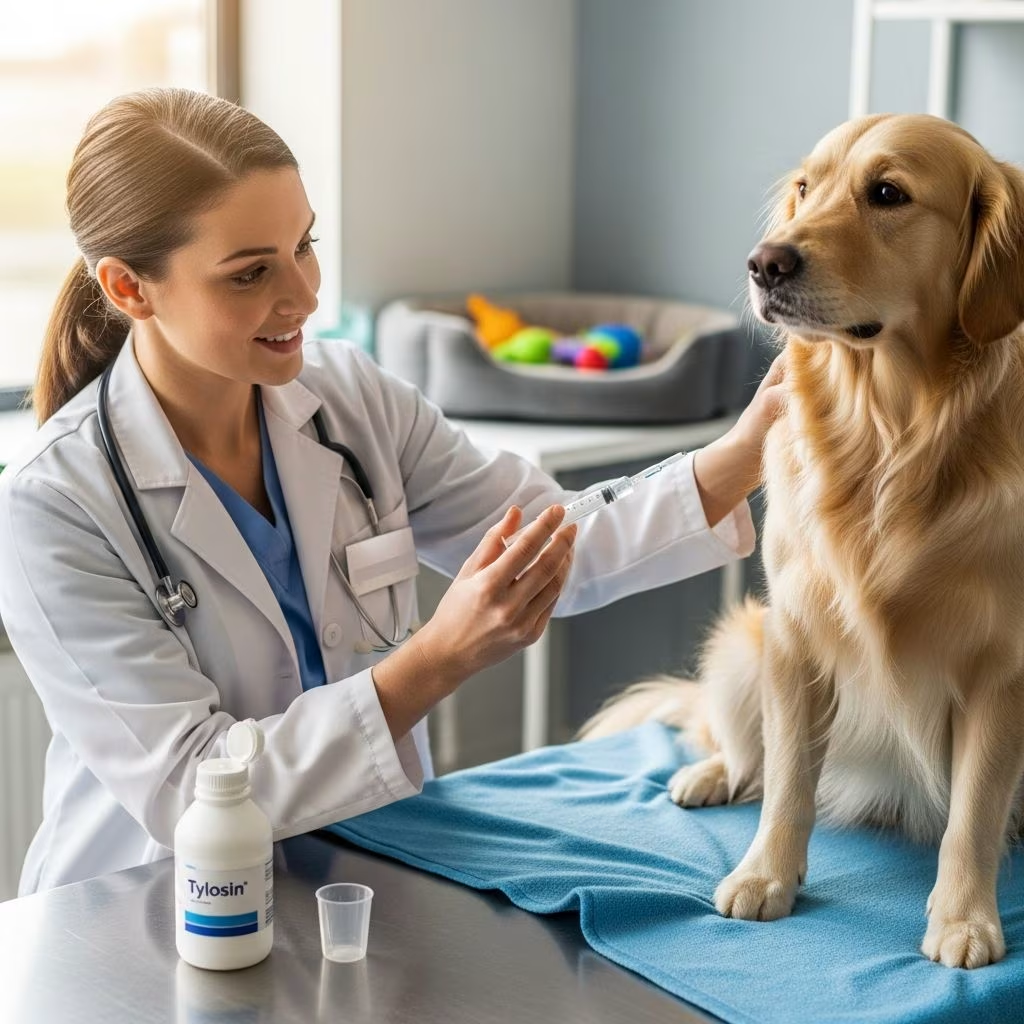
Tylosin stands as a key macrolide antibiotic in veterinary practice, primarily employed to address bacterial infections and inflammatory conditions in the digestive tracts of dogs and cats. This medication works by halting bacterial growth, enabling the pet’s immune response to clear the infection effectively.
Understanding the Mechanism of Tylosin
Tylosin functions as a bacteriostatic agent, meaning it inhibits protein synthesis in susceptible bacteria rather than directly killing them. By binding to the 50S ribosomal subunit, it prevents essential protein production needed for bacterial replication. This approach proves particularly useful for managing chronic conditions like colitis and inflammatory bowel disease (IBD) in companion animals. Common targets include pathogens such as Clostridium, Campylobacter, and Cryptosporidium, which often underlie persistent diarrhea.
In clinical settings, tylosin’s broad-spectrum activity covers gram-positive organisms and some anaerobes, making it suitable for gastrointestinal disturbances where overgrowth disrupts normal flora balance. Unlike bactericidal antibiotics, its gentler profile allows for extended use in sensitive cases, though always under veterinary supervision.
Primary Applications in Dogs and Cats
For dogs, tylosin excels in controlling chronic enteropathies, including antibiotic-responsive diarrhea and IBD flares. It addresses recurrent loose stools linked to bacterial dysbiosis, restoring gut stability. Cats benefit similarly, with applications for colitis and infectious diarrhea, where standard treatments fall short.
- Gastrointestinal infections leading to prolonged diarrhea
- Chronic colitis management
- Inflammatory bowel disease symptoms
- Respiratory tract infections in select cases
- Skin infections caused by susceptible bacteria
Beyond the gut, veterinarians may prescribe it off-label for upper respiratory issues or soft tissue infections, leveraging its versatility. Note that while effective, its use in dogs and cats remains extra-label, not FDA-approved specifically for these species.
Proper Dosage and Administration Strategies
Veterinarians tailor tylosin dosages to the pet’s weight, condition severity, and response. A standard oral regimen for dogs and cats ranges from 5-10 mg per pound (10-20 mg/kg) of body weight, administered every 12 hours. Treatment duration varies from weeks to months, depending on resolution of symptoms.
| Pet Type | Typical Dose | Frequency | Form |
|---|---|---|---|
| Dogs | 10-20 mg/kg | Twice daily | Powder mixed in food |
| Cats | 10-20 mg/kg | Twice daily | Powder or compounded capsule |
The powder form, often sold as Tylan, carries a notably bitter taste, which can lead to refusal. Mixing into palatable food like canned meals or broth improves compliance. For finicky eaters, compounded capsules or flavored suspensions offer alternatives, prepared by pharmacies to mask the flavor. Administer with meals to minimize gastric upset, and complete the full course to prevent resistance.
Safe Handling and Storage Practices
Store tylosin powder in a cool, dry place away from light and moisture to preserve potency. Reconstituted solutions require refrigeration and use within specified timelines, typically 14 days. Always measure doses accurately using provided scoops, as one level teaspoon approximates 2.6 grams.
Keep out of reach of children and other pets. Horses must avoid tylosin entirely due to risks of fatal colic. Small herbivores like rabbits and guinea pigs face severe toxicity, potentially leading to death.
Recognizing and Managing Side Effects
Most pets tolerate tylosin well, but monitor for gastrointestinal reactions. Common issues include vomiting, diarrhea, anorexia, or nausea, often transient and mitigated by food co-administration. Rare hypersensitivity manifests as itching, swelling, or breathing difficulties—seek emergency care immediately.
Long-term use warrants bloodwork to check liver enzymes and overall health. Interactions with digoxin require caution, as tylosin may elevate its levels. Competition animals should verify rules, as residues could disqualify.
When to Consult Your Veterinarian
Begin tylosin only with a prescription following diagnostics like fecal analysis to confirm bacterial etiology. Do not self-medicate, as misapplication fosters resistance. Contact your vet if symptoms persist beyond 48 hours, worsen, or new issues arise like lethargy or dehydration.
Pregnant or lactating pets need special evaluation. Puppies and kittens may require adjusted doses based on age and weight.
Alternatives and Complementary Therapies
For non-responsive cases, vets might switch to metronidazole, probiotics, or dietary trials. Probiotics support flora recovery post-antibiotic, enhancing tylosin’s efficacy. Hydrolyzed diets aid IBD management alongside medication.
Frequently Asked Questions
Can tylosin be used long-term in dogs?
Yes, durations from weeks to months are common for chronic GI conditions, monitored by vets for tolerance and efficacy.
Is tylosin safe for cats with diarrhea?
Absolutely, it’s a go-to for bacterial or inflammatory diarrhea, often in powder or capsule form to improve acceptance.
What if my pet refuses the bitter powder?
Opt for compounded flavors or capsules; mixing with strong-tasting food like tuna helps.
Does tylosin treat all types of pet infections?
No, it’s targeted at specific bacteria; culture tests guide appropriateness.
Can I stop tylosin if symptoms improve?
No—finish the course to eradicate infection fully and avoid relapse.
Preventive Measures for Pet Gut Health
Maintain balanced diets, routine deworming, and stress reduction to minimize infection risks. Annual check-ups catch issues early. Hydration supports recovery during treatments.
References
- Tylosin Powder for Pets – Effective Prescription Medication — SmartyVets. 2024. https://www.smartyvets.com/products/tylosin-powder-for-pets
- Tylosin — JAM Veterinary Services. 2024. https://www.jamdvm.com/tylosin
- Tylosin Tartrate | Dog, Cat, Pet Medication — PetMD. 2024. https://www.petmd.com/pet-medication/tylosin-tartrate
- Treating Your Cat or Dog – Using Tylosin — Wisconsin Department of Health Services. 2024-04. https://www.dhs.wisconsin.gov/publications/p03601e.pdf
- Tylosin – Brilliant Veterinary Care — Brilliant Vets. 2025-03-10. https://brilliantvets.com/wp-content/uploads/2025/03/Handout_2025-03-10_12-03-59.pdf
- Tylosin: What Your Veterinary Clients Need to Know — Clinician’s Brief. 2024. https://www.cliniciansbrief.com/article/tylosin-antibiotic-bowel-disease-diarrhea
- Tylan Powder — Sand Creek Animal Hospital. 2024. https://sandcreekanimalhospital.com/blog/tylan-powder/



