

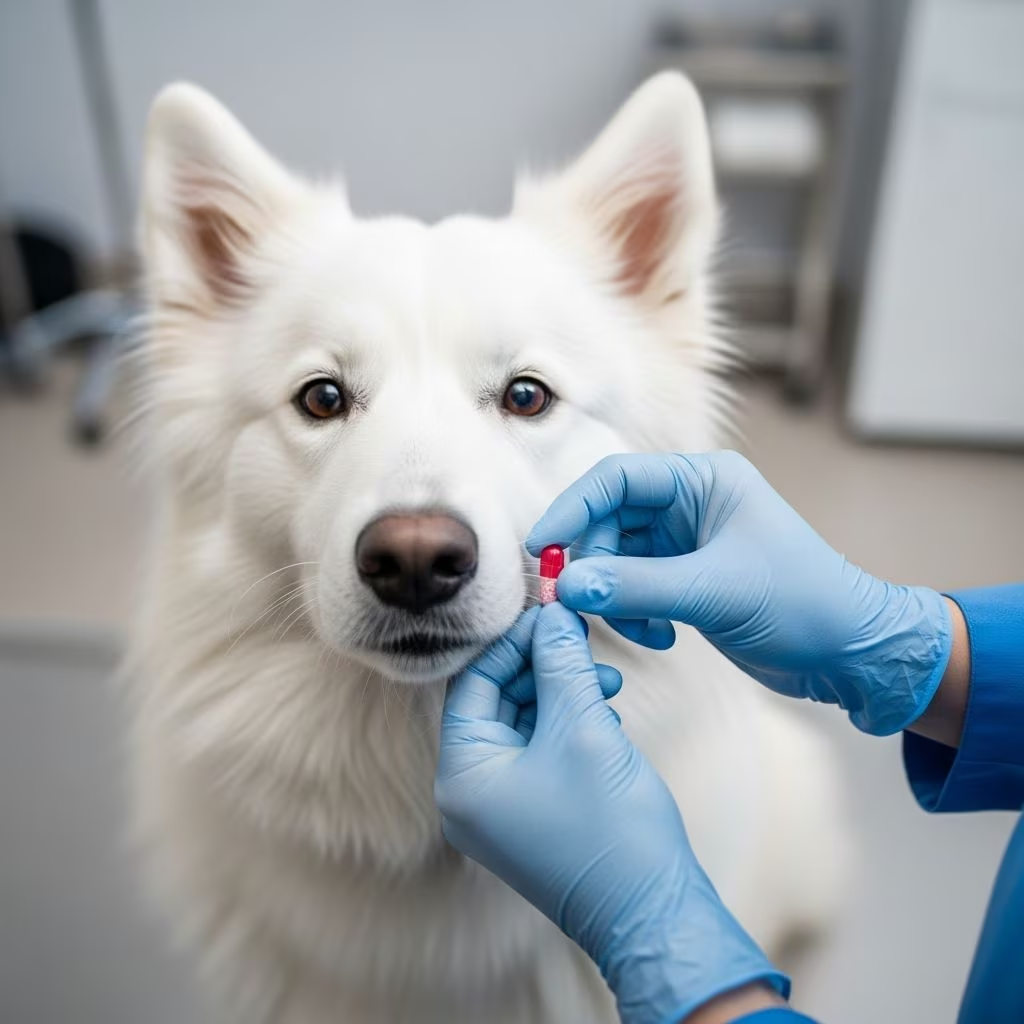
Tylosin stands out as a versatile macrolide antibiotic commonly prescribed for dogs to address bacterial infections, particularly those affecting the gastrointestinal tract. Produced naturally by the bacterium Streptomyces fradiae, it works by inhibiting bacterial protein synthesis, making it bacteriostatic rather than bactericidal. This property allows a dog’s immune system to clear infections more effectively while minimizing disruption to beneficial gut flora.
Understanding Tylosin’s Mechanism in Canine Health
As a member of the macrolide family, Tylosin targets a broad spectrum of gram-positive bacteria and some gram-negative strains, including pathogens like Clostridium, Campylobacter, and Mycoplasma. Unlike antibiotics that outright kill bacteria, Tylosin halts their growth and reproduction, which is particularly useful for chronic conditions where long-term therapy is needed without fostering rapid resistance.
In veterinary practice, its anti-inflammatory effects in the intestines are equally valued, often outperforming traditional antimicrobials for non-infectious diarrhea. Studies show it promotes healthy gut microbiota balance by suppressing harmful bacteria while supporting beneficial ones, leading to firmer stools and reduced inflammation.
Primary Applications of Tylosin in Dogs
Tylosin’s most frequent use is for managing chronic or recurrent diarrhea, often linked to conditions like antibiotic-responsive diarrhea (ARD) or what was previously termed small intestinal bacterial overgrowth (SIBO). Dogs with these issues exhibit loose stools, flatulence, and weight loss due to imbalanced gut bacteria.
- Gastrointestinal Disorders: Effective against colitis, inflammatory bowel disease (IBD), and tylosin-responsive diarrhea (TRD), where 85% of dogs show improvement within a week at 25 mg/kg daily doses.
- Infections: Treats respiratory tract infections, skin conditions like pyoderma (90% efficacy against Staphylococcus), and soft tissue wounds.
- Preventive Care: Used in immunocompromised dogs to prevent secondary infections.
- Other Benefits: Reduces tear staining in light-coated breeds by curbing facial bacteria and inflammation.
Clinical trials confirm Tylosin’s superiority over alternatives like metronidazole or doxycycline for certain diarrheas, with relapse prevented during ongoing low-dose therapy.
Available Forms and Administration Guidelines
Tylosin comes in multiple formats to suit different canine needs, ensuring flexibility for veterinarians and owners. The FDA approves it for various species, though extra-label use in dogs is common under professional guidance.
| Form | Description | Typical Use | Dosage Range |
|---|---|---|---|
| Powder | Soluble oral powder, often turkey-approved but used off-label | GI issues, mixing in food | 5-25 mg/kg daily |
| Suspension | Liquid for oral administration | Easy for small dogs | 10-20 mg/kg BID |
| Tablets | Compressed pills | Precise dosing | 15 mg/kg daily |
| Injectable | Intramuscular or subcutaneous | Severe cases | Vet-administered only |
Administer with or without food; giving with meals reduces stomach upset. Effects begin in 1-2 hours, but stool normalization may take days. Always complete the full course to prevent resistance.
Safe Dosage Protocols for Different Conditions
Veterinarians tailor doses based on weight, condition severity, and response. For TRD, a once-daily 25 mg/kg regimen suffices, often pulsed (e.g., 3 days on, 4 off) for maintenance.
- Acute Diarrhea: 10-15 mg/kg twice daily for 5-7 days.
- Chronic IBD/Colitis: 5-10 mg/kg daily long-term, safer than other antibiotics.
- Skin/Respiratory Infections: 20-30 mg/kg daily for 7-14 days.
Puppies and seniors may require adjusted lower doses; never exceed 50 mg/kg to avoid toxicity. Monitoring via fecal tests ensures efficacy.
Potential Side Effects and Risk Management
Tylosin boasts a high safety margin across species, with rare adverse reactions in dogs. Most tolerate it well even long-term.
- Common (Mild): Vomiting, decreased appetite, soft stools initially.
- Rare (Severe): Allergic reactions like hives, facial swelling, or anaphylaxis—discontinue immediately.
- Contraindications: Avoid in macrolide-sensitive dogs or those with liver impairment.
Horses face fatal diarrhea risk, but this is irrelevant for canines. Overdose symptoms include lethargy and incoordination; seek emergency care.
Antibiotic Resistance: Minimizing Risks
While low-resistance potential exists due to targeted action, misuse promotes mutations. Use only vet-prescribed, finish courses, and avoid for viral issues. Tylosin’s gut-sparing profile reduces selective pressure compared to broad-spectrum drugs.
Drug Interactions and Precautions
Tylosin may potentiate other macrolides or anticholinergics, slowing gut motility. Space probiotics 2 hours apart to preserve efficacy. Liver-metabolized, caution in hepatic disease; no major food interactions.
When to Consult a Veterinarian
Seek professional advice for persistent diarrhea (>48 hours), blood in stool, dehydration, or fever. Diagnostics like fecal cultures guide Tylosin use over empiric therapy. Not for confirmed viral/parasitic causes.
Real-World Efficacy: Evidence from Studies
A PMC study on TRD dogs reported 85% resolution vs. 29% placebo, advocating therapeutic trials for idiopathic cases. Pyoderma trials hit 90% success. Long-term safety supports IBD management.
Frequently Asked Questions (FAQs)
Is Tylosin safe for long-term use in dogs?
Yes, its profile allows extended therapy for chronic GI conditions with minimal resistance risk.
Can I use human Tylosin for my dog?
No—veterinary formulations differ; consult a vet for proper dosing.
How quickly does Tylosin work for diarrhea?
Within 1-2 hours onset, full effects in 2-7 days.
What if my dog vomits after Tylosin?
Try with food or switch forms; contact vet if persistent.
Does Tylosin treat tear staining?
Yes, by reducing bacterial overgrowth around eyes.
Alternatives to Tylosin for Canine Gut Issues
| Condition | Tylosin | Alternatives |
|---|---|---|
| Diarrhea/ARD | High efficacy, low resistance | Metronidazole, probiotics |
| IBD/Colitis | Safe long-term | Steroids, immunosuppressants |
| Skin Infections | 90% vs. Staph | Cephalexin, topical |
Tylosin often preferred for its dual antibiotic/anti-inflammatory action.
References
- Tylosin For Dogs: What You Need To Know — Kingsdale Animal Hospital. 2023. https://www.kingsdale.com/tylosin-for-dogs-what-you-need-to-know
- Tylosin for Dogs — WagWalking. 2024. https://wagwalking.com/treatment/tylosin-for-dogs
- Tylosin — JAM Veterinary Services. 2023. https://www.jamdvm.com/tylosin
- Effect of tylosin on dogs with suspected tylosin-responsive diarrhea — PMC/NCBI. 2011-04-27. https://pmc.ncbi.nlm.nih.gov/articles/PMC3084160/
- Tylosin Tartrate | Dog, Cat, Pet Medication — PetMD. 2024. https://www.petmd.com/pet-medication/tylosin-tartrate
- Tylosin — Wikipedia (informed by primary sources). 2024. https://en.wikipedia.org/wiki/Tylosin
- Tylosin Handout — Brilliant Veterinary Care. 2025-03-10. https://brilliantvets.com/wp-content/uploads/2025/03/Handout_2025-03-10_12-03-59.pdf



