

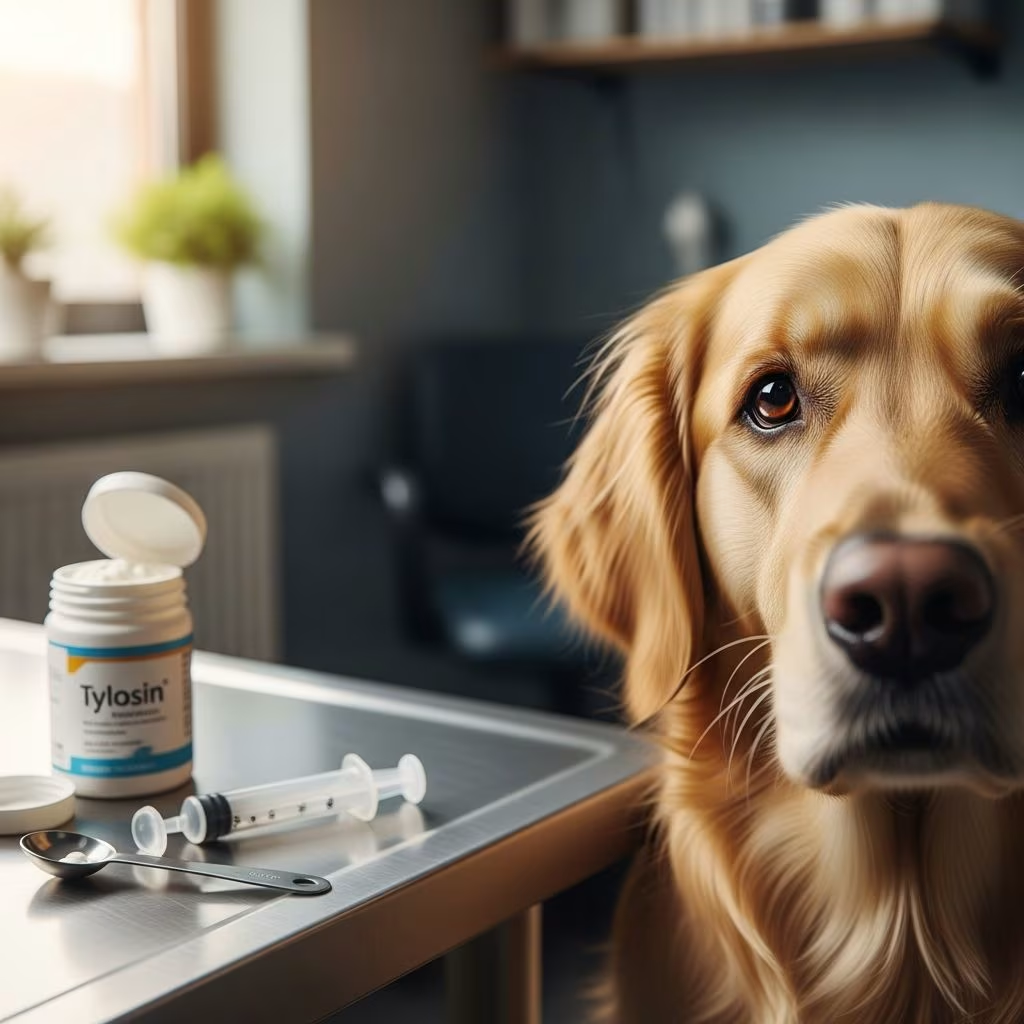
Tylosin, a macrolide antibiotic, has emerged as a reliable option for addressing recurrent or chronic diarrhea in dogs, particularly in cases known as tylosin-responsive diarrhea (TRD). Clinical evidence shows it normalizes stool consistency in most affected dogs within days, offering a targeted approach when other treatments fall short.
Understanding Diarrhea in Dogs
Diarrhea affects dogs of all ages and breeds, often stemming from dietary indiscretions, infections, allergies, or idiopathic causes. Chronic or recurrent episodes, lasting weeks to years, challenge owners and veterinarians alike. In TRD, symptoms resolve quickly with tylosin but may return upon discontinuation, highlighting the need for strategic management.
Common triggers include bacterial overgrowth, gut dysbiosis, or sensitivities unresponsive to standard antibiotics like metronidazole. Unlike acute bouts, chronic diarrhea demands thorough diagnostics, including fecal analysis and dietary trials, before antibiotic intervention.
What Makes Tylosin Unique?
Tylosin stands out due to its broad antimicrobial action against gram-positive bacteria and some anaerobes, while also modulating gut flora without fostering resistance over time. Unlike broader-spectrum drugs, it promotes fecal firmness specifically in TRD cases, as demonstrated in controlled trials.
Its mechanism remains partly elusive but likely involves anti-inflammatory effects and microbiome stabilization, beyond mere bactericidal properties. This dual action explains its superiority over placebos and alternatives like prednisone or probiotics in clinical settings.
Clinical Evidence Supporting Tylosin Use
Randomized, double-blind trials confirm tylosin’s efficacy. In one study, 85% of dogs with suspected TRD achieved normal stools after 7 days of 25 mg/kg daily dosing, compared to 29% on placebo (p=0.0049). Responders showed improvement within 24-72 hours, aligning with anecdotal veterinary reports.
Another trial with 14 dogs experiencing chronic diarrhea for over a year found relapse in 85.7% after tylosin withdrawal, but rapid resolution upon resumption. Prednisone and probiotics failed to match this, underscoring tylosin’s specificity.
Experimental beagle studies revealed synergistic benefits when combining tylosin with dietary changes, achieving sustained normal stools versus either alone.
Recommended Dosage and Administration
Veterinarians typically prescribe tylosin at 25 mg/kg body weight once daily for 7-10 days initially. This dose proved sufficient in trials, with no added benefit from doubling it. Powder form, often flavored, mixes easily with food to enhance palatability and reduce gastrointestinal upset.
| Dog Weight (kg) | Daily Dose (mg) | Typical Duration |
|---|---|---|
| 5 | 125 | 7-10 days |
| 10 | 250 | 7-10 days |
| 20 | 500 | 7-10 days |
| 30+ | 750+ | 7-10 days |
Administer with meals to minimize nausea. For maintenance in lifelong cases, continue at the same dose indefinitely, as efficacy persists without tolerance.
Step-by-Step Treatment Protocol
- Initial Assessment: Rule out parasites, infections, and pancreatitis via tests.
- Dietary Trial: Switch to novel protein or hydrolyzed diets for 2-4 weeks.
- Tylosin Initiation: Start 25 mg/kg q24h if diet fails; monitor stool daily.
- Evaluation: Assess after 7 days; extend if partial response.
- Weaning Attempt: Taper after 1-3 months stable; reinstate if relapse.
- Combination Therapy: Pair with diet for synergy in refractory cases.
Potential Side Effects and Safety
Tylosin is well-tolerated, with rare reports of vomiting or appetite loss, often mitigated by food administration. No significant resistance develops even in long-term use, unlike other antibiotics. FDA-approved for dogs, it’s safe across species when dosed correctly.
Avoid in cats with known sensitivities or concurrent macrolide therapy. Monitor for allergic reactions like hives or lethargy, though incidence is low.
Long-Term Management Strategies
For dogs requiring ongoing treatment, indefinite low-dose tylosin maintains quality of life without diminishing returns. Periodic diet optimizations or probiotics may allow dose reduction. Track fecal scores (1=normal, 7=watery) to guide adjustments.
Owner education is key: Maintain hygiene to prevent reinfection, and schedule rechecks every 3-6 months.
When Tylosin Isn’t Enough
If no response within 5 days, reconsider differentials like exocrine pancreatic insufficiency (EPI), where tylosin supports but doesn’t cure. Advanced imaging or endoscopy may reveal inflammatory bowel disease or neoplasia. Alternatives include other antibiotics or immunosuppressants under veterinary guidance.
Frequently Asked Questions (FAQs)
Can all dogs with diarrhea benefit from tylosin?
No, it’s most effective for TRD; trial only after excluding other causes.
How quickly does tylosin work?
Most dogs improve in 24-72 hours; full effect by day 7.
Is lifelong treatment safe?
Yes, no resistance or major side effects reported in extended use.
What if diarrhea returns after stopping?
Restart tylosin; consider maintenance dosing.
Can I use human tylosin for my dog?
Consult a vet for veterinary-grade product to ensure purity and dosing.
Integrating Tylosin into Holistic Care
Combine with fiber supplements, omega-3s, and stress reduction for comprehensive gut health. Probiotics post-treatment may aid microbiome recovery, though less effective standalone.
Preventive measures like consistent diets and parasite control reduce TRD incidence.
References
- Effect of tylosin on dogs with suspected tylosin-responsive diarrhea — PMC. 2011-04-20. https://pmc.ncbi.nlm.nih.gov/articles/PMC3084160/
- Tylosin-Responsive Diarrhea — Deerhound Health. Accessed 2026. https://deerhoundhealth.org/tylosin-responsive-diarrhea/
- What about Tylosin for dogs? — HomeLab Veterinary. 2020-06-03. https://homelabvet.com/2020/06/03/tylosin-for-dogs/
- Treating Your Cat or Dog – Using Tylosin — Wisconsin DHS. Accessed 2026. https://www.dhs.wisconsin.gov/publications/p03601e.pdf
- Tylosin — JAM Veterinary Services. Accessed 2026. https://www.jamdvm.com/tylosin
- Tylosin Handout — Brilliant Veterinary Care. 2025-03-10. https://brilliantvets.com/wp-content/uploads/2025/03/Handout_2025-03-10_12-03-59.pdf



