
IPF: Symptoms, Diagnosis, And Treatment Guide
Discover the hidden dangers of idiopathic pulmonary fibrosis, a progressive lung condition causing irreversible scarring and breathlessness.
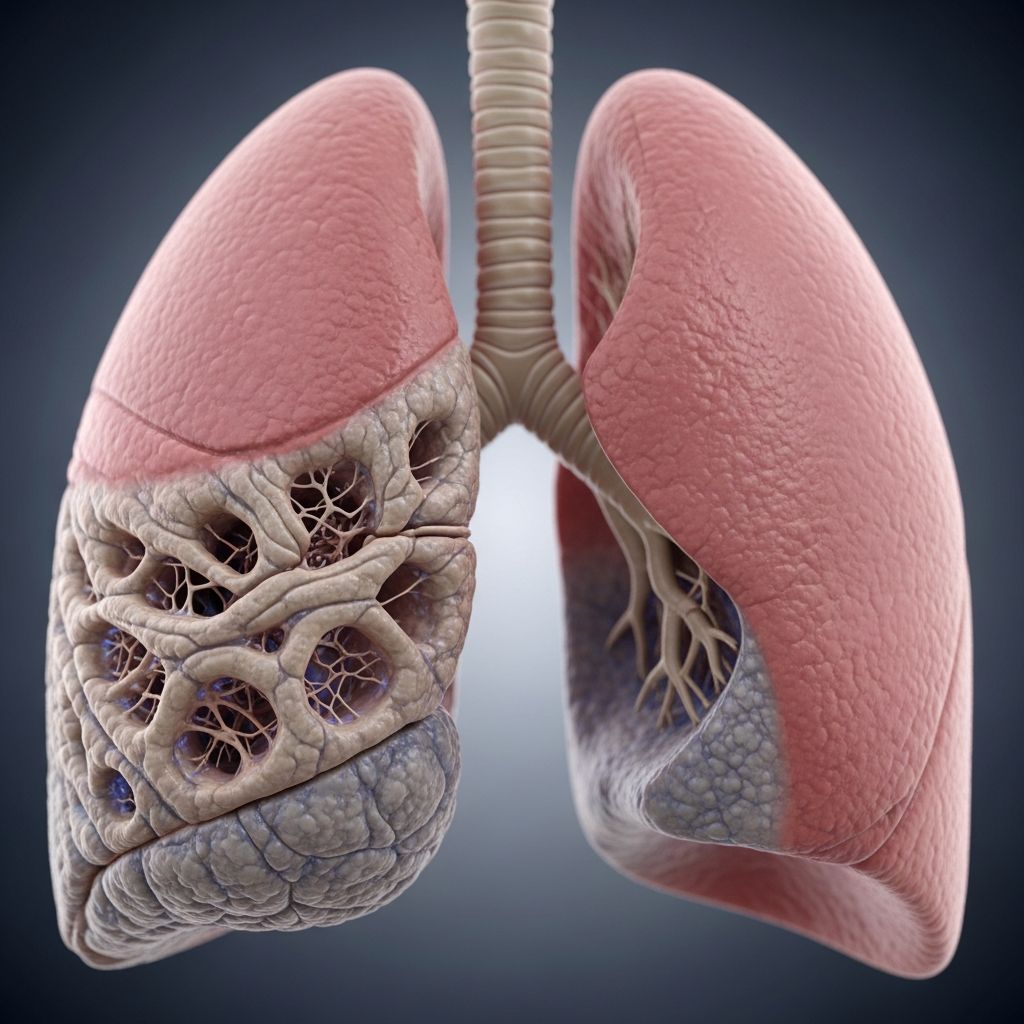
Idiopathic pulmonary fibrosis (IPF) represents a severe form of interstitial lung disease where lung tissue progressively scars, making breathing increasingly difficult over time. This condition primarily affects individuals aged 70 to 75, though it can occur earlier, and no cure exists, but treatments can slow its advancement.
Recognizing the Early Warning Signs
The onset of IPF symptoms is often subtle, leading many to dismiss them as signs of aging or reduced fitness. Key indicators include persistent shortness of breath, especially during routine activities like dressing or climbing stairs, and a nagging dry cough that persists without producing mucus.
- Shortness of breath (dyspnea): Starts with exertion but progresses to occur even at rest, severely limiting daily tasks.
- Chronic dry cough: Affects about 85% of patients, lasting over eight weeks and resistant to typical remedies.
- Fatigue and weakness: Widespread tiredness that hampers energy levels and motivation.
- Weight loss and appetite reduction: Unexplained drops in body weight due to diminished eating and increased energy demands from breathing.
- Clubbing of fingers: Rounding and enlargement of fingertips, a classic sign of chronic low oxygen levels.
Chest discomfort, low exercise tolerance, and occasional cyanosis (bluish skin tint) may also emerge as the disease advances. Prompt recognition is crucial since symptoms signal existing lung damage.
Unraveling the Causes and Risk Factors
The term “idiopathic” means the exact cause remains unknown, distinguishing IPF from other interstitial lung diseases linked to exposures or autoimmune issues. However, several risk factors heighten susceptibility.
| Risk Factor | Description | Prevalence in IPF Patients |
|---|---|---|
| Age | Over 50 years, peaking at 70-75 | Nearly all cases |
| Male Gender | Higher incidence in men | About 75% |
| Acid Reflux (GERD) | Chronic heartburn symptoms | Up to 75% |
| Smoking History | Long-term tobacco use | Common association |
| Family History | Genetic predisposition | Rare but significant |
Environmental triggers like asbestos or bird proteins can cause similar scarring but are not primary for IPF. Genetic mutations in proteins regulating lung repair contribute in familial cases.
How IPF Progresses in the Lungs
IPF involves relentless fibrosis where normal lung tissue replaces with stiff scar tissue, particularly in the lower lobes. This reduces lung elasticity, impairs gas exchange, and creates a “honeycomb” pattern visible on scans. Oxygen levels drop, straining the heart and leading to pulmonary hypertension in advanced stages.
Unlike infections or reversible inflammations, IPF scarring is permanent, with episodes of acute worsening (exacerbations) triggered by infections or unknown factors, drastically reducing survival odds.
Diagnostic Pathways for Confirmation
Diagnosing IPF requires excluding other conditions through a multi-step process. Physicians start with a thorough history and physical exam, noting clubbing or characteristic crackles (Velcro-like sounds) during breathing.
- Pulmonary Function Tests (PFTs): Measure lung capacity and diffusion, showing restrictive patterns and reduced oxygen transfer.
- High-Resolution CT (HRCT) Scan: Reveals hallmark patterns like reticular opacities and honeycombing without alternative explanations.
- Blood Tests and Echo: Rule out connective tissue diseases or heart issues; assess oxygen saturation.
- Lung Biopsy: Surgical or bronchoscopic sampling confirms fibrosis pattern in ambiguous cases.
Early diagnosis via screening in high-risk groups can initiate interventions sooner.
Current Treatment Strategies and Management
While no reversal exists, antifibrotic drugs like nintedanib and pirfenidone significantly decelerate scarring progression, preserving lung function longer. Oxygen therapy alleviates breathlessness, and pulmonary rehabilitation enhances endurance.
- Antifibrotics: Reduce fibrosis rate by 50% in trials; side effects include gastrointestinal upset.
- Supportive Care: Vaccinations, smoking cessation, and GERD treatment prevent exacerbations.
- Lung Transplant: Viable for eligible patients under 65 with rapid decline, offering median survival extension.
- Symptom Relief: Cough suppressants, opioids for severe dyspnea in end-stages.
Clinical trials explore stem cells and novel biologics, holding promise for future breakthroughs.
Lifestyle Adjustments for Better Daily Living
Managing IPF extends beyond medications to holistic changes. A nutrient-dense diet combats weight loss, while energy conservation techniques like pacing activities preserve stamina.
Regular exercise under supervision builds respiratory muscle strength. Emotional support through groups addresses anxiety, common due to progressive nature.
Prognosis and Advance Care Planning
IPF median survival post-diagnosis is 3-5 years, varying by age, lung function, and treatment adherence. Biomarkers and imaging predict decline, guiding discussions on palliative care.
Patients should outline preferences for ventilation or hospice early, ensuring dignity.
Frequently Asked Questions (FAQs)
What is the main difference between IPF and COPD?
IPF causes restrictive scarring, while COPD involves airway obstruction; IPF lacks reversibility.
Can IPF be prevented?
No definitive prevention, but avoiding smoking and treating GERD may lower risk.
Is IPF hereditary?
Rarely; most cases sporadic, but family screening advised if relatives affected.
How does oxygen therapy help?
It eases workload on heart and lungs, improving sleep and activity tolerance.
What triggers IPF exacerbations?
Infections, aspiration, or pollution; prompt medical attention is essential.
Emerging Research and Hope on the Horizon
Ongoing studies target fibrosis pathways, with AI aiding early detection via imaging. Patient registries accelerate trial recruitment, fostering personalized medicine.
References
- Idiopathic pulmonary fibrosis – NHS — NHS. 2023. https://www.nhs.uk/conditions/idiopathic-pulmonary-fibrosis/
- Interstitial Lung Disease: Understanding the Basics — Lung Health. 2024. https://lunghealth.ca/lung-disease/interstitial-lung-disease/
- Lung Diseases Overview — WebMD. 2024. https://www.webmd.com/lung/lung-diseases-overview
- Interstitial lung disease – Symptoms and causes — Mayo Clinic. 2024-02-01. https://www.mayoclinic.org/diseases-conditions/interstitial-lung-disease/symptoms-causes/syc-20353108
- Warning Signs of Lung Disease — American Lung Association. 2023. https://www.lung.org/lung-health-diseases/warning-signs-of-lung-disease
- Rare Lung Diseases — American Thoracic Society. 2024. https://www.thoracic.org/professionals/clinical-resources/disease-related-resources/rare-lung-diseases.php
Similar Articles








Read full bio of medha deb


