

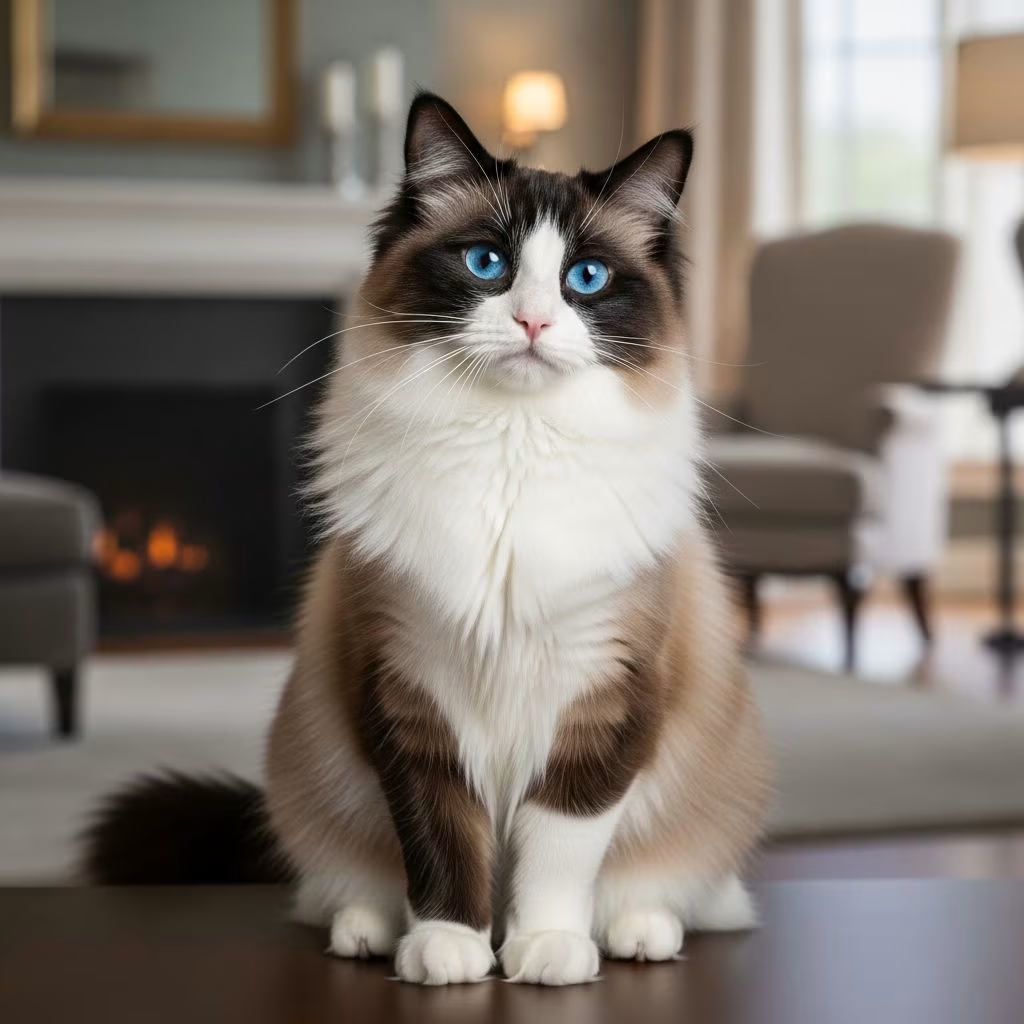
The Tuxedo Ragdoll cat combines the plush, semi-long coat and docile nature of the Ragdoll breed with a distinctive black-and-white coloration that mimics a formal tuxedo suit. This pattern features a predominantly black body accented by crisp white markings on the chest, paws, belly, and often the face, creating a sophisticated appearance that turns heads in any room.
Origins and Development of the Tuxedo Pattern in Ragdolls
Ragdoll cats originated in the 1960s in California, bred from a longhaired white angora-like cat named Josephine and other foundation cats to produce their signature relaxed temperament. The tuxedo coloration arises from the bicolor gene, specifically a white spotting gene that inhibits pigment on certain body areas, resulting in the classic formal-wear look. This genetic trait can appear across breeds but pairs strikingly with the Ragdoll’s silky fur and blue eyes.
Unlike breed-specific traits, the tuxedo pattern is not tied to a single lineage but emerges from the KIT gene mutation, which slows melanocyte migration during fetal development, leaving white patches. In Ragdolls, selective breeding has stabilized this pattern alongside their pointed colorations, making tuxedo variants a recognized and sought-after option within the breed standard.
Distinctive Physical Features
Tuxedo Ragdolls boast a robust, muscular build typical of the breed, with males weighing 12-20 pounds and females 8-15 pounds. Their bodies are rectangular, supported by sturdy legs, and topped with large, broad heads featuring well-rounded cheeks and prominent whisker pads.
- Coat: Medium-long, plush, and non-matting with a soft undercoat; black dominates the back, sides, and tail, while white covers the chest (forming a ‘bib’), underbelly, paws (‘socks’), and chin or muzzle.
- Eyes: Striking sapphire blue, a hallmark of Ragdolls, providing vivid contrast against the dark fur.
- Face Markings: Often a white ‘mustache’ or inverted V on the muzzle, enhancing the dapper vibe.
- Tail: Thick and bushy, usually black-tipped or fully black.
Variations exist: some have more extensive white (‘high white’) extending up the hind legs, while classic tuxedos keep white minimal and symmetrical.
Temperament and Behavioral Traits
Ragdolls live up to their name by going limp when picked up, a result of selective breeding for extreme gentleness. Tuxedo Ragdolls inherit this floppy docility, making them ideal lap cats who crave human interaction without being demanding.
| Trait | Description |
|---|---|
| Affectionate | Forms deep bonds, follows owners room-to-room, greets at doors like dogs. |
| Playful | Engages in gentle play, excels at fetch; moderate energy suits families. |
| Social | Thrives with children, dogs, and strangers; rarely aggressive. |
| Intelligent | Trainable for tricks, curious explorers who solve puzzles. |
| Relaxed | Low-maintenance demeanor, vocal but not excessively meowy. |
Owners report tuxedo Ragdolls as particularly loyal and outgoing, with anecdotal evidence suggesting heightened sociability, though traits stem more from breed than color.
Grooming and Daily Maintenance
The Ragdoll’s luxurious coat requires weekly brushing to prevent tangles, especially around the ruff and britches. Tuxedo patterns make dirt on white areas visible, so spot-cleaning with damp cloths helps maintain their pristine look.
- Bath every 4-6 weeks if needed, using cat-specific shampoos.
- Nail trims biweekly; ear cleaning monthly.
- Dental care: brushing 2-3 times weekly to combat plaque.
Shedding is moderate year-round, peaking seasonally; a high-quality diet supports coat health.
Health Considerations and Lifespan
Ragdolls typically live 12-17 years, with tuxedo variants sharing breed risks like hypertrophic cardiomyopathy (HCM), a heart condition screened via genetic tests. Other concerns include polycystic kidney disease (PKD) and hip dysplasia, mitigated by breeding from health-tested lines.
Regular vet checkups, balanced nutrition, and obesity prevention through portion control are key. No color-specific issues plague tuxedos, but blue eyes link to lower melanoma risk compared to odd-eyed cats.
Nutrition and Exercise Needs
Feed high-protein, low-carb kibble or wet food tailored for large breeds, aiming for 300-500 calories daily adjusted for activity. Interactive toys and climbing trees fulfill their playful side without high exertion.
Obesity is common in relaxed Ragdolls, so measured meals and play sessions prevent weight gain.
Ideal Living Environments
Tuxedo Ragdolls adapt to apartments or homes, preferring indoor life for safety. They enjoy windows for bird-watching and perches for lounging. Multi-pet households work well due to their tolerant nature.
Bringing Home a Tuxedo Ragdoll
Adopt from reputable breeders who health-test parents or shelters with breed rescues. Kittens cost $800-$2500; expect a 12-16 week wait for socialization. Prepare with scratching posts, litter boxes (one per cat +1), and vertical space.
Common Myths Debunked
- Myth: Tuxedo cats are always smarter. Fact: Intelligence varies by breed, not pattern.
- Myth: All tuxedos are short-haired. Fact: Longhair breeds like Ragdolls showcase the pattern beautifully.
- Myth: They’re high-energy. Fact: Ragdoll tuxedos are mellow.
Frequently Asked Questions
Are Tuxedo Ragdolls hypoallergenic?
No, but their coat sheds less than some breeds; regular grooming reduces allergens.
Do they get along with kids?
Yes, their patient nature makes them excellent family pets.
How often should I groom them?
Brush 2-3 times weekly; more during shedding seasons.
What’s the difference between tuxedo and calico?
Tuxedo is black-and-white bicolor; calico adds orange/red.
Can they be left alone all day?
They prefer company but tolerate solitude better than clingier breeds.
Why Choose a Tuxedo Ragdoll?
These cats offer stunning visuals, unwavering affection, and easygoing vibes, perfect for busy households seeking a furry formal companion.
References
- Tuxedo Cat | Traits, Appearance, General, Character — VetAmerikan. 2023. https://www.vetamerikan.org/our-best-friends/cat-types/tuxedo-cat
- 10+ Facts About Tuxedo Cats [Personality, History, Health & More] — Rawz Natural Pet Food. 2024. https://rawznaturalpetfood.com/tuxedo-cats/
- Tuxedo Cat 101: What to Know Before Adopting One — YouTube (Transcript). 2023. https://www.youtube.com/watch?v=VFgZJfdkCQ0
- Tuxedo cat personality: how this dapper cat stands out — PetScreening. 2024. https://www.petscreening.com/blog/tuxedo-cat-personality
- Tuxedo Cats Personality, Lifespan And Facts — Cats.com. 2024. https://cats.com/tuxedo-cat



