

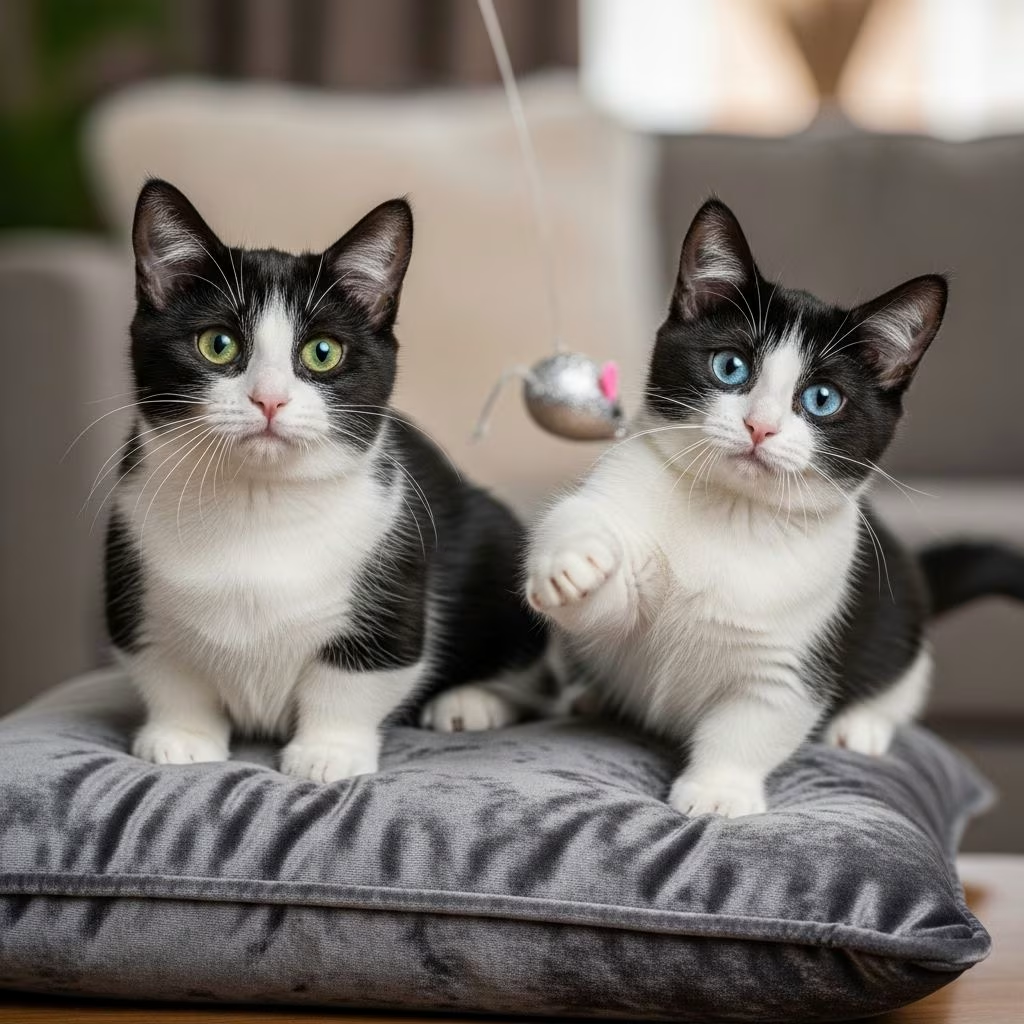
The tuxedo Munchkin cat combines the genetic quirk of notably short legs with the classic black-and-white coat pattern that resembles formal evening wear. This bicolor variation of the Munchkin breed offers a visually striking appearance alongside a spirited personality, making them a favorite among cat enthusiasts seeking something distinctive.
Origins of the Munchkin Breed and Tuxedo Pattern
Munchkin cats trace their roots to a spontaneous genetic mutation causing shortened limbs, first documented in the United States during the 1980s. Breeders selectively developed this trait, resulting in a cat that maintains typical feline proportions except for its legs, which measure about three inches shorter than average. The tuxedo coloring—predominantly black fur with white accents on the chest, paws, and muzzle—adds a formal flair to this low-to-the-ground frame.
Unlike purpose-bred patterns, the tuxedo look arises from piebald genetics, where white spotting suppresses pigmentation in specific areas. In Munchkins, this manifests across short or long coats, creating endless variations from crisp white bibs to subtle chin accents. While the breed standard allows numerous colors, the black-and-white combo stands out for its high-contrast elegance.
Physical Characteristics of Tuxedo Munchkins
These cats exhibit a compact, muscular build with a semi-foreign body type: rounded head, large walnut-shaped eyes in shades matching their coat, and medium-sized ears set wide apart. Their tail remains long and flexible, carried high during movement, balancing the shortened stance. Males typically weigh 6 to 9 pounds, females 4 to 8 pounds, with lengths up to 18 inches from nose to tail tip.
| Feature | Details |
|---|---|
| Height | 7 to 9 inches at shoulder |
| Weight | 4-9 lbs (females lighter) |
| Coat | Short or long, plush; tuxedo black/white |
| Eyes | Wide-set, vivid colors like copper or green |
| Legs | Short due to chondrodysplasia mutation |
Despite their stature, tuxedo Munchkins move with agility, bounding after toys or navigating furniture with surprising prowess. Their coat requires minimal upkeep, shedding moderately year-round.
Personality Traits and Daily Behavior
Tuxedo Munchkins embody kitten-like energy into adulthood, blending curiosity, confidence, and sociability. They thrive on interaction, often shadowing owners room-to-room in a dog-like manner, vocalizing softly for attention or play. Intelligent and adaptable, they master tricks like fetch and puzzle toys, staying mentally engaged.
- Playful explorers: Love chasing laser pointers, batting crinkly toys, and inventing games.
- Affectionate companions: Form deep bonds, offering lap cuddles after active sessions.
- Social butterflies: Greet visitors warmly, rarely hiding from new faces.
- Moderate vocalizers: Chirp or trill rather than yowl excessively.
Energy levels suit apartment living, with short daily play bursts sufficing over marathon exertions. They entertain themselves briefly but prefer human involvement to curb mischief like counter-surfing.
Compatibility with Families, Kids, and Other Pets
Ideal for households with children, these cats display patience and gentleness during rough-and-tumble play, provided kids learn respectful handling. Their non-aggressive nature facilitates smooth introductions to dogs, especially laid-back breeds, fostering harmonious multi-pet homes.
With fellow felines, they integrate well if socialized early, sharing resources without territorial spats. Small pets like rabbits require supervised meetings due to innate hunting instincts, though many coexist peacefully. Singles or couples find them attentive without overwhelming neediness, tolerating brief absences if enriched environments await.
Health Considerations for Short-Legged Tuxedos
The defining mutation, chondrodysplasia, elevates risks for osteoarthritis, lordosis (spinal curvature), and pectus excavatum (chest deformity). Regular veterinary checkups, including radiographs for joint assessment, prove essential. Lifespan averages 12-15 years with proactive care, though mobility declines may necessitate ramps or low perches in later years.
Obesity exacerbates skeletal stress, so portion control matters. Some registries decline recognition due to welfare concerns, urging ethical breeding from health-tested lines. Common issues include dental disease and hypertrophied cardiomyopathy, mitigated by routine exams.
Nutrition and Feeding Guidelines
A high-protein diet supports muscle tone and joint health, blending wet food for hydration with kibble for dental benefits. Omega-3 supplements aid coat shine and inflammation reduction. Feed 1/4 to 1/2 cup daily, split into meals, adjusting for activity and weight.
- Prioritize animal-based proteins over fillers.
- Incorporate glucosamine for mobility.
- Monitor weight quarterly to prevent overload on limbs.
Grooming Routines and Maintenance
Weekly brushing distributes oils and reduces shedding, vital for longhaired tuxedos. Claw trims biweekly prevent snags, while monthly baths suit show cats. Dental hygiene via brushing or treats combats plaque buildup.
Ears warrant gentle cleaning to avert infections, eyes minimal wiping. Their low-slung posture heightens litter box debris pickup, favoring enclosed models.
Exercise and Enrichment Essentials
Moderate activity keeps them fit: 15-20 minutes of wand toys or balls daily. Cat trees with wide, low platforms accommodate jumps, while tunnels and scratchers channel hunting drives. Puzzle feeders dispense meals, combating boredom-induced antics.
Harness training enables safe outdoor jaunts, letting them sniff without full exposure risks.
Training Tips for Tuxedo Munchkins
Positive reinforcement yields results: clicker training for sits, high-value treats for litter use. Their smarts shine in agility courses adapted for short legs, building confidence and bonds. Discourage nipping via redirection to toys.
Bringing Home Your Tuxedo Munchkin
Select breeders prioritizing health screenings over aesthetics, or rescue tuxedo Munchkins via breed-specific groups. Kitten-proof homes with secure windows, ample toys, and vertical space alternatives. Initial quarantine eases pet integrations.
Common Myths Debunked
- Myth: They can’t jump. Fact: They leap effectively, though lower than standard cats.
- Myth: Always sickly. Fact: Many live vigorously with care.
- Myth: Poor hunters. Fact: Prey drive persists undiminished.
Frequently Asked Questions (FAQs)
Are tuxedo Munchkins good for apartments?
Yes, their moderate energy and compact size suit small spaces perfectly.
Do short legs cause pain?
Not inherently, but monitor for arthritis signs like limping.
Can they have long hair?
Absolutely, both shorthair and longhair varieties exist in tuxedo patterns.
Are they hypoallergenic?
No, they shed like most cats, though regular grooming helps.
How do they fare in cold climates?
Their plush coat insulates well; indoor living ideal regardless.
Why Choose a Tuxedo Munchkin?
These cats deliver big personality in a petite package, their formal markings and boundless zest enchanting owners daily. With diligent health management, they reward with years of companionship.
References
- Munchkin Cat Breed: Personality, Traits, and Facts — Bow Wow Meow Pets. 2023. https://bowwowinsurance.com.au/cats/cat-breeds/munchkin-cat/
- Munchkin Cat Breed Information — Purina UK. 2024. https://www.purina.co.uk/find-a-pet/cat-breeds/munchkin
- Munchkin Cat Personality: How Do Munchkin Cats Act? — Litter-Robot. 2023. https://www.litter-robot.com/blog/munchkin-cat-personality/
- Munchkin Cat Breed Health and Care — PetMD. 2024-01-15. https://www.petmd.com/cat/breeds/munchkin
- Munchkin cat — Wikipedia (citing veterinary sources). 2025. https://en.wikipedia.org/wiki/Munchkin_cat



