

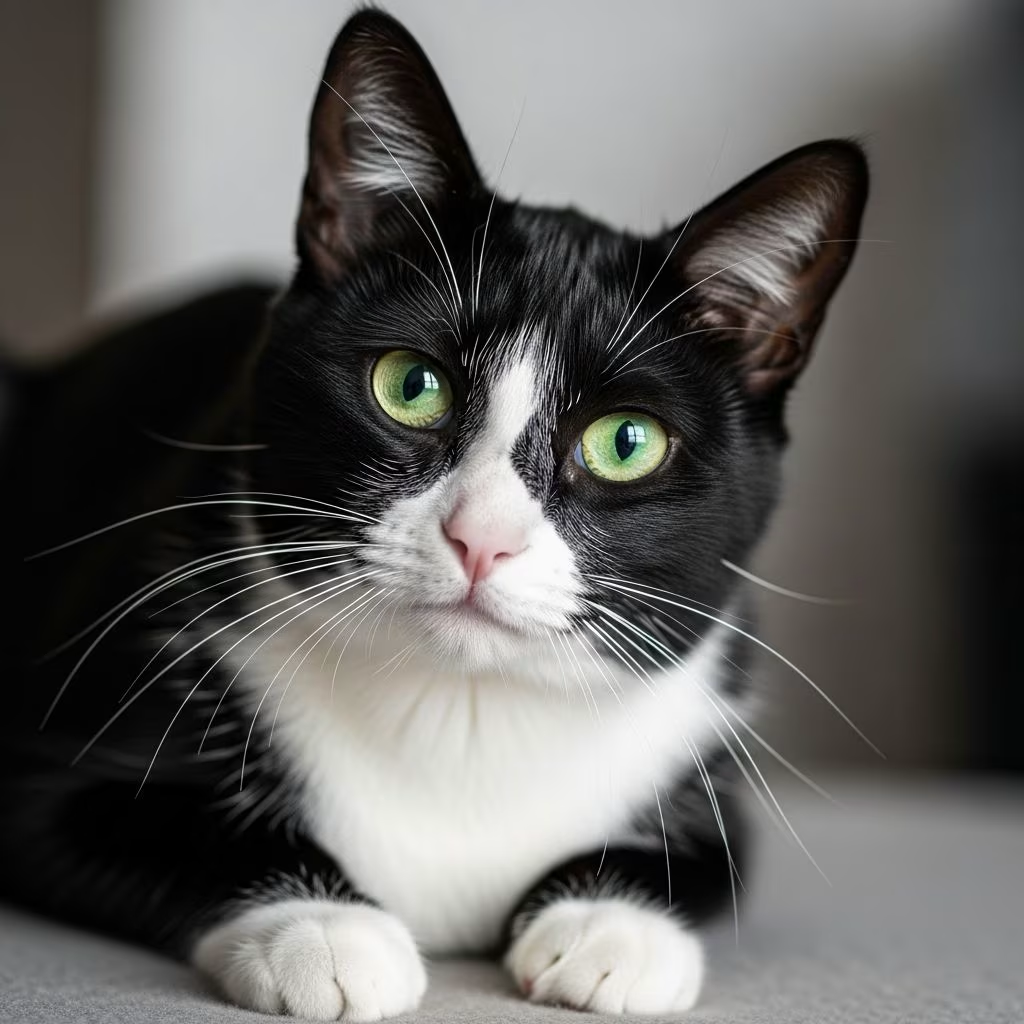
Tuxedo cats captivate with their formal black-and-white coats that mimic a tailored suit, complete with crisp white accents on the chest, paws, and face. These striking felines, defined by a specific color pattern rather than breed, blend sophistication and playfulness, drawing admirers worldwide.
The Genetic Blueprint Behind the Tuxedo Look
The hallmark of tuxedo cats lies in their genetics, particularly the piebald or white spotting gene, which suppresses pigment in targeted areas on an otherwise solid black coat. This results in bold white patches strategically placed to evoke a gentleman’s attire.
Dominance of the spotting gene varies, leading to low-to-medium white coverage limited to key spots: paws (often called ‘socks’), chest (resembling a shirtfront), throat, chin, and sometimes tail tips. A classic tuxedo features a black ‘mask’ framing the face, with white outlining the muzzle for a goatee-like effect.
- Key Genetic Factors: Bicolor gene inheritance from wildcat ancestors creates diverse patterns.
- Variations: Strict tuxedos stick to black-and-white; broader definitions include gray, ginger, or even mostly white cats with dark underbellies.
- Non-Breed Specific: Appears across breeds like American Shorthair, Maine Coon, and Turkish Angora, plus mixed breeds.
This genetic lottery ensures no two tuxedos are identical, with markings ranging from minimal white splashes to more expansive designs, all contributing to their individualized appeal.
Distinctive Physical Features of Tuxedo Cats
Beyond coloring, tuxedo cats share refined traits enhancing their dapper image. They typically boast medium builds with lean, muscular frames suited for agile play. Eyes gleam in shades of gold, green, copper, or blue, often alert and expressive against the dark facial mask.
| Feature | Description |
|---|---|
| Body Type | Medium-sized, sleek, and athletic |
| Head | Round with prominent whiskers; white ‘mutton chops’ on cheeks possible |
| Coat | Short to medium, glossy black with white accents; low shedding |
| Nose/Paws | Pink nose; white paws and belly patches |
Facial details shine: a white blaze down the nose, inverted ‘V’ on the muzzle, and chest bibs that may extend into bowtie shapes. These elements combine for an eternally polished look, regardless of underlying breed.
A Legacy Spanning Millennia: Tuxedo Cats in History
Tuxedo patterns trace to ancient times, prominently featured in Egyptian art where nearly 70% of depicted cats showed similar bicolor schemes, symbolizing protection and fortune. Revered for pest control, these cats shared homes, their markings possibly aiding early human selection.
European records from the Middle Ages onward highlight tuxedos in folklore and daily life. The 19th century brought fame via Trixie, a loyal companion who infiltrated the Tower of London to comfort her imprisoned owner. In modern eras, Tuxedo Stan ran for mayor in Halifax, Canada, advocating feline welfare through spay/neuter awareness.
Pop culture icons like Felix the Cat from the 1920s silent films immortalized the pattern, embedding tuxedos in global affection. From royal courts to cartoons, their presence underscores enduring cultural prestige.
Unraveling the Tuxedo Personality: Myth and Reality
“Tuxitude” describes the bold, sassy vibe many tuxedo cats exude—confident, vocal, and playfully mischievous. Owners report heightened intelligence, curiosity, and sociability, with males often energetic lap cats and females more nurturing guardians.
- Core Traits: Smart (allegedly 200% more than averages in some claims), talkative, loyal, dog-like bonding.
- Energy: Active explorers balanced by affectionate cuddles.
- Breed Influence: Shorthairs laid-back; Coons sociable giants; Angoras inquisitive adventurers.
While patterns don’t dictate temperament—the bicolor gene affects looks only—tuxedos consistently rank high in friendliness, adaptability to families, and low aggression. Their outgoing nature suits multi-pet homes and children, though individual variance tied to lineage persists.
Health, Lifespan, and Everyday Care Essentials
Tuxedo cats mirror domestic averages, living 12-20 years with proper care. No pattern-specific issues arise, but breed-linked concerns apply: e.g., Maine Coons prone to hip dysplasia.
Nutrition: High-protein diets support glossy coats; monitor weight in active types.
Grooming: Weekly brushing curbs minimal shedding; dental care prevents common feline woes.
Exercise: Interactive toys channel smarts and energy; scratching posts essential.
Vet Tips: Annual checkups, vaccinations, and spaying/neutering promote longevity. Their pink noses signal clean paws—ideal for hygiene.
Tuxedo Cats in Popular Culture and Famous Felines
These stylish cats star in media: Felix pioneered animation, while modern tales feature tuxedos as clever sidekicks. Famous residents include White House ‘First Cats’ and campaign mascots like Tuxedo Stan, proving their charisma transcends eras.
In literature and ads, their formal guise evokes sophistication, reinforcing bonds with humans across centuries.
Bringing a Tuxedo Cat into Your Home: Adoption Guide
Seek shelters or breeders focusing on health-tested parents. Evaluate personality via interaction; tuxedos thrive in stimulating environments. Budget for quality food, toys, and vet visits—investments yielding devoted friends.
Frequently Asked Questions About Tuxedo Cats
Are tuxedo cats a specific breed?
No, tuxedo refers to a coat pattern found in many breeds and mixes.
What causes the tuxedo pattern?
The white spotting gene inhibits melanin in paws, chest, and face areas.
Do tuxedo cats have unique personalities?
They often display intelligence, playfulness, and affection, though breed influences traits.
How long do tuxedo cats live?
Typically 12-20 years with good care.
Are tuxedo cats good with kids and other pets?
Yes, their sociable nature makes them adaptable family members.
References
- The Fascinating World of Tuxedo Cat Personality — Basepaws. 2023. https://basepaws.com/blog/the-fascinating-world-of-tuxedo-cat-personality
- Tuxedo Cat | Traits, Appearance, General, Character — Vetamerikan. 2024. https://www.vetamerikan.org/our-best-friends/cat-types/tuxedo-cat
- History of Tuxedo Cats – Taking a Look at Their Past — Catster. 2023. https://www.catster.com/lifestyle/history-of-tuxedo-cats/
- Bicolor cat — Wikipedia. 2025. https://en.wikipedia.org/wiki/Bicolor_cat
- Tuxedo Cats Personality, Lifespan And Facts — Cats.com. 2024. https://cats.com/tuxedo-cat



