Turtle Shell Shedding: 4 Stages And Essential Care Tips
Discover why aquatic turtles shed their scutes, how to recognize normal shedding from problems, and tips for supporting healthy shell growth.
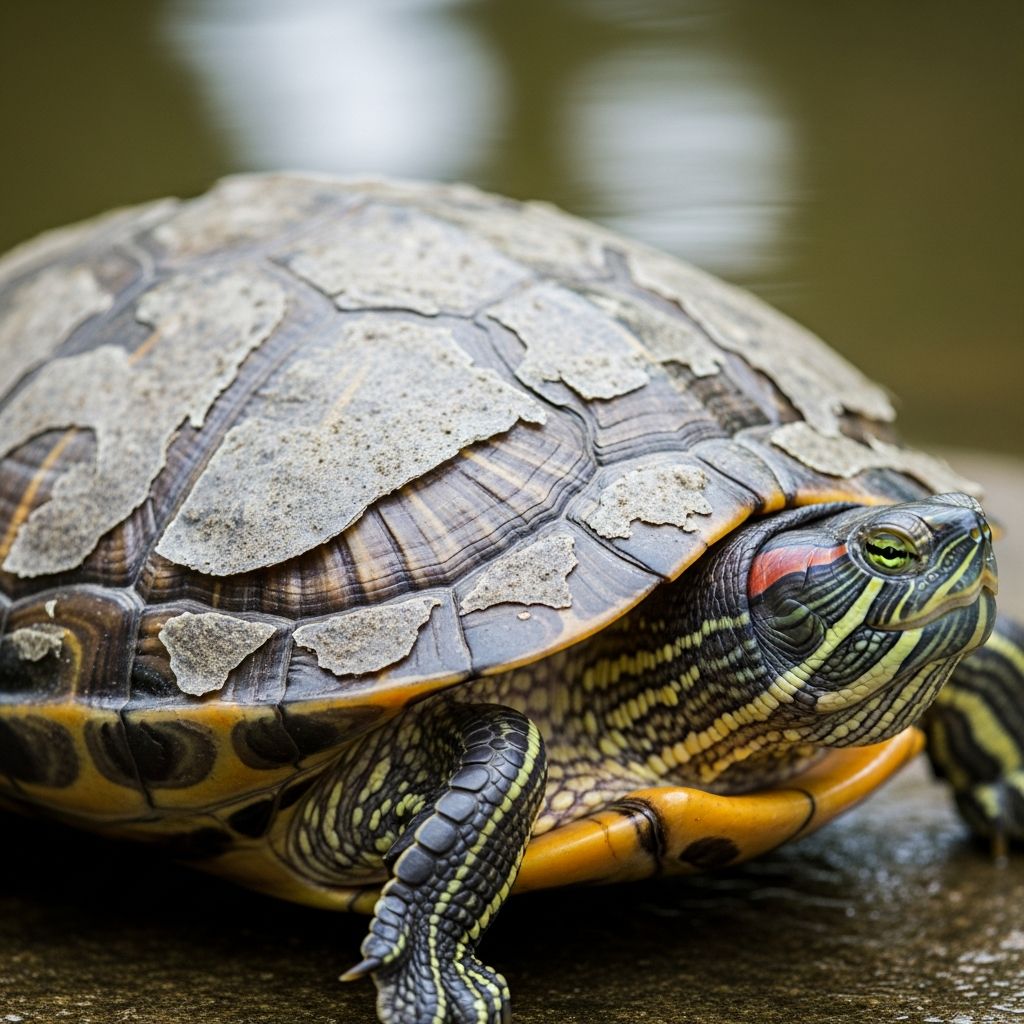
Aquatic turtles naturally shed the outer layers of their shells as part of growth and maintenance. This process involves the peeling of scutes, the keratin plates covering the shell, allowing new layers to emerge underneath.
Understanding the Anatomy of a Turtle’s Shell
The turtle shell is a unique bony structure composed of the carapace (top) and plastron (bottom), fused to the vertebrae and ribs. Covering these bones are scutes, tough keratin layers similar to human fingernails. Scutes provide protection and coloration but lack elasticity, necessitating periodic replacement as the turtle grows.
Young turtles shed more frequently due to rapid growth spurts, while adults shed less often. This shedding ensures the shell accommodates the turtle’s increasing size without cracking.
Why Do Aquatic Turtles Shed Their Scutes?
Shedding serves multiple vital functions beyond mere growth. Here’s a breakdown:
- Growth Accommodation: Inelastic scutes must peel away for larger ones to form beneath, preventing shell deformities.
- Cleaning and Hygiene: Shedding removes algae, debris, and parasites that accumulate in aquatic environments, reducing infection risks.
- Repair Mechanism: Minor damages from scrapes or impacts heal as old scutes slough off, replaced by fresh keratin.
- Streamlined Swimming: For water-dwelling species like red-eared sliders, smooth shedding maintains hydrodynamic efficiency.
- Infection Prevention: Eliminating dead tissue curbs fungal or bacterial growth, especially in varying water qualities.
The Stages of Normal Scute Shedding
Shedding doesn’t happen uniformly or instantly. It progresses over weeks or months, often one scute at a time. Key stages include:
- Drying and Lifting: The old scute dries out, developing white, flaky edges as new growth pushes from below. The shell may appear scraped or dull.
- Peeling and Loosening: Edges lift, sometimes showing brighter new scutes underneath. Turtles may rub against rocks to assist.
- Detachment: Scutes pop off naturally, revealing shiny new layers that harden over time. Not all shed simultaneously; some areas lag.
- Regrowth: Fresh scutes toughen, restoring full protection and color within days to weeks.
Timelines vary: juveniles shed every few months, adults yearly or less. Extra basking speeds the process by drying scutes.
Signs of Healthy vs. Problematic Shedding
Distinguishing normal shedding from issues is crucial for pet owners. Use this table for quick reference:
| Healthy Shedding | Unhealthy Signs |
|---|---|
| White, dry, flaky edges on multiple scutes Gradual peeling over weeks Bright new scute visible underneath No odor, softness, or redness Turtle active and eating well | Soft, pitted, or discolored shell Foul smell or discharge Raw, bleeding areas Swelling or lethargy Rapid, uneven peeling |
Healthy shedding looks messy but resolves naturally. Problematic cases may indicate shell rot, nutritional gaps, poor water quality, or injury.
Care Tips to Promote Healthy Shell Shedding
Support your turtle’s shedding with optimal husbandry:
- Basking Setup: Provide a heat lamp (88-95°F UVB zone) for 10-12 hours daily. Dry basking dries scutes and aids peeling.
- Water Quality: Maintain 75-80°F water, pH 7.0-8.0, zero ammonia/nitrite. Clean filters weekly to minimize algae.
- Diet: Offer calcium-rich foods (leafy greens, pellets, cuttlebone) and UVB lighting for vitamin D3 synthesis, preventing soft shells.
- Enrichment: Add rocks or logs for rubbing, mimicking wild behaviors to loosen scutes.
- Monitoring: Weekly shell inspections; gently remove only fully loose scutes with tweezers if needed—never force.
Common Myths About Turtle Shedding
Misconceptions can lead to unnecessary worry:
- Myth: All peeling means disease. Reality: 99% is normal growth.
- Myth: Scrubbing speeds shedding. Reality: Harsh cleaning damages new layers; let nature take course.
- Myth: Turtles shed like snakes in one piece. Reality: Scutes shed individually, piecemeal.
When to Consult a Veterinarian
Seek professional help if shedding accompanies:
- Persistent softness or pits
- Infection signs (pus, bad odor)
- Behavioral changes (hiding, not eating)
- Shell deformities or cracks
Exotic vets can diagnose via exams, cultures, or X-rays. Early intervention prevents severe issues like sepsis.
Species-Specific Shedding Insights
Different aquatic turtles vary:
- Red-Eared Sliders: Frequent shedders; basking enthusiasts. 2-5 weeks per cycle.
- Painted Turtles: Shed for hydrodynamics; algae-prone in warm waters.
- Map Turtles: Ridge scutes shed prominently; growth spurts trigger cycles.
FAQs
Is turtle shell shedding painful?
No, it’s a natural, painless process like peeling sunburnt skin. Turtles show no distress.
How often do turtles shed?
Juveniles: 1-2 times yearly; adults: every 1-2 years, depending on growth and habitat.
Can I help my turtle shed?
Encourage with basking and rubbing spots, but avoid pulling scutes to prevent injury.
What if the new shell looks raw?
Minor rawness is normal and hardens quickly. Monitor for infection; vet if persistent.
Does diet affect shedding?
Yes, calcium/vitamin deficiencies cause abnormal shedding. Balance diet with supplements.
Long-Term Shell Health Strategies
Beyond shedding, prioritize:
- Annual vet checkups
- Seasonal habitat adjustments (warmer water in winter)
- Quarantine new turtles to prevent disease spread
- Record growth/shedding logs for patterns
Consistent care yields vibrant, durable shells, enhancing your turtle’s lifespan (20-50+ years).
References
- The REAL Reason Why Turtles Shed Their Shell — TurtleHolic, YouTube. 2024-01-06. https://www.youtube.com/watch?v=d0CDSM67cYc
- Why Is The Turtle’s Shell Peeling? — Think Turtle Conservation Initiative. 2025-05-22. https://thinkturtleconservationinitiative.wordpress.com/2025/05/22/why-is-the-turtles-shell-peeling/
- Did You Know That Turtles Shed? — Avian & Exotic Vet. Undated (accessed 2026). https://avianexoticsvet.com/blog/turtles-shed/
- How long does shedding scutes take? — Turtle Forum. Undated forum post (accessed 2026). http://www.turtleforum.com/forum/upload/index.php?/forums/topic/4055-how-long-does-shedding-scutes-take/
Similar Articles








Read full bio of Sneha Tete