

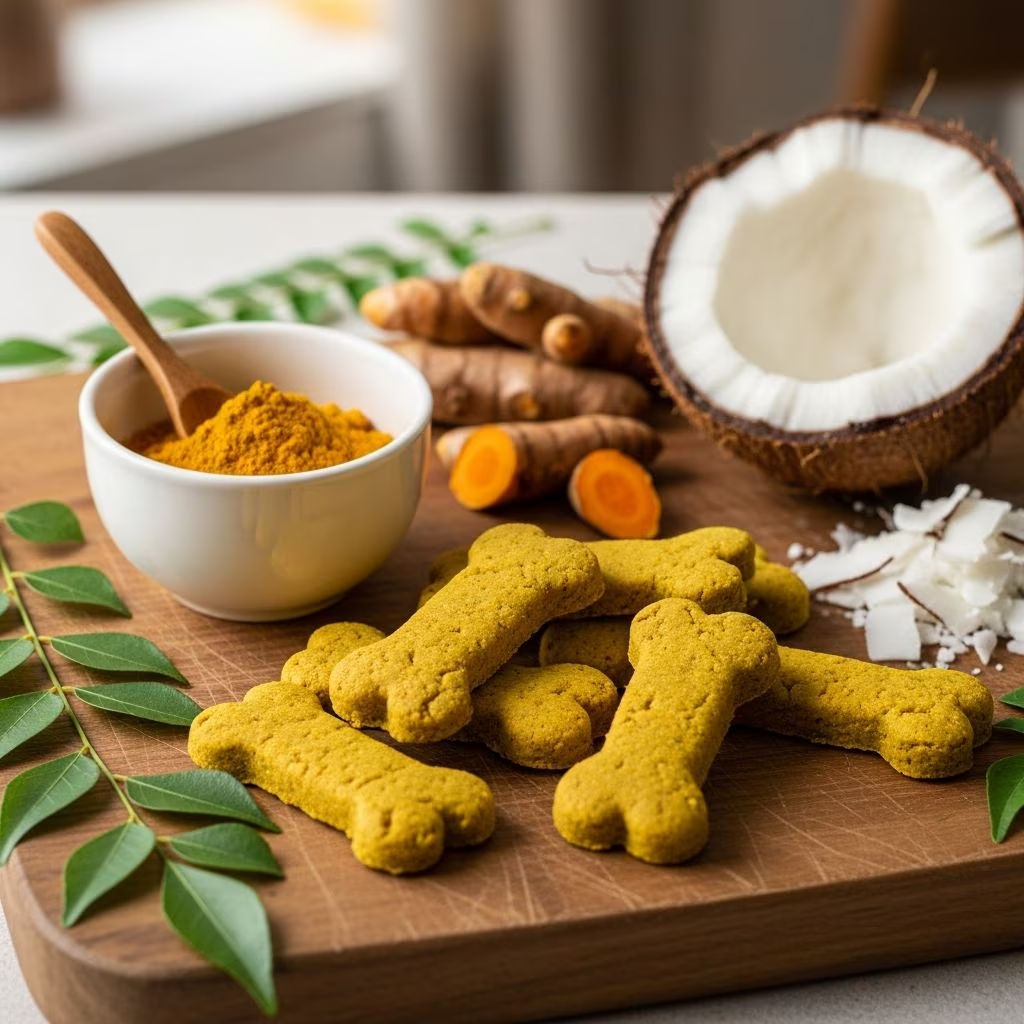
Homemade Turmeric and Coconut Dog Treats: A Nutritious Recipe for Your Furry Friend
Creating homemade dog treats is one of the most rewarding ways to show your pet how much you care. Not only do you have complete control over the ingredients, but you also eliminate unnecessary additives and preservatives found in many commercial dog treat products. One particularly beneficial and simple recipe combines two powerful ingredients: turmeric and coconut. This dynamic duo creates treats that are not only delicious but also packed with health benefits that can support your dog’s overall wellness and vitality.
The combination of turmeric and coconut has been celebrated in natural pet care for years, and for good reason. Both ingredients offer unique nutritional profiles and therapeutic properties that make them excellent additions to your dog’s diet. Whether your dog suffers from inflammation, joint stiffness, digestive issues, or simply needs an immune system boost, these treats might be exactly what your furry friend needs.
Understanding the Key Ingredients
The Power of Turmeric
Turmeric, a member of the ginger family that originates in Southeast Asia, is far more than just a culinary spice commonly found in curry dishes. This golden-hued root has earned significant attention in veterinary nutrition for its impressive health properties. The magic of turmeric lies in its active compound called curcumin, which serves as a potent anti-inflammatory agent that can support your dog’s liver health, joint function, and overall wellness.
The anti-inflammatory properties of turmeric make it particularly valuable for dogs suffering from chronic conditions linked to inflammation, such as arthritis, allergies, and various other age-related issues. Beyond inflammation reduction, turmeric has been studied for its potential anti-cancer properties, making it a valuable preventative ingredient for health-conscious pet owners. Additionally, turmeric supports healthy digestion by promoting bile production, which aids in the breakdown and absorption of fats—a crucial component of a balanced canine diet.
The Benefits of Desiccated Coconut
Desiccated coconut, which is dried coconut with most of its moisture removed, offers a light and versatile texture that makes it absolutely perfect for baking dog treats. What sets this ingredient apart is its unique combination of rich nuttiness and juicy texture when your dog bites into the treat. Beyond its appealing qualities, coconut provides numerous nutritional benefits that support canine health.
Coconut oil and desiccated coconut contain healthy fats that improve digestion and boost metabolism in dogs. These fats are particularly important because they enhance the absorption of turmeric’s curcumin, meaning your dog gets maximum benefit from the turmeric content in the treats. Furthermore, coconut possesses natural antibacterial and antiviral properties that contribute to your dog’s immune system strength and overall health maintenance.
Additional Beneficial Ingredients
The recipe incorporates several other carefully selected ingredients that work synergistically to create a nutritionally complete treat. Garbanzo bean flour provides plant-based protein and fiber, supporting digestive health and satiety. Ground black pepper enhances the bioavailability of curcumin, meaning your dog’s body can absorb and utilize the turmeric more effectively. Boiled and mashed pumpkin or sweet potato adds natural sweetness, fiber, and important vitamins and minerals while contributing moisture to bind the ingredients together.
Why Choose Homemade Treats?
Gluten-Free and Allergen-Friendly
One significant advantage of this recipe is that it is completely gluten-free, making it an excellent option for dogs with gluten sensitivities or celiac disease. Many commercial dog treats contain grain-based fillers that can trigger allergic reactions or digestive upset in sensitive dogs. By making treats at home, you eliminate this concern entirely and can customize the recipe to accommodate any specific dietary restrictions your dog may have.
Quality Control and Transparency
When you prepare treats in your own kitchen, you know exactly what goes into each bite. There are no mysterious preservatives, artificial colors, artificial flavors, or fillers. This transparency allows you to make informed decisions about your dog’s nutrition and ensures that every treat meets your standards for quality and safety.
The Complete Recipe
Ingredients You’ll Need
Before you begin, gather all your ingredients to ensure a smooth preparation process:
- 1 ¾ cup garbanzo bean flour
- 1 cup desiccated coconut
- 2 tablespoons turmeric powder
- 1 teaspoon ground black pepper
- ¾ cup boiled and mashed pumpkin or sweet potato
Step-by-Step Preparation Instructions
Step 1: Preheat Your Oven
Begin by preheating your oven to 350°F (180°C). This temperature allows the treats to bake evenly without burning the delicate coconut or causing the turmeric to lose its beneficial properties.
Step 2: Combine All Ingredients
In a large mixing bowl, combine all your dry ingredients: garbanzo bean flour, desiccated coconut, turmeric powder, and ground black pepper. Mix these thoroughly to ensure the turmeric and pepper are evenly distributed throughout the dry mixture. This step is crucial because it guarantees that each treat will contain consistent amounts of the beneficial turmeric compound.
Add the boiled and mashed pumpkin or sweet potato to your dry ingredients and mix until a cohesive dough forms. If your dough appears too sticky to handle comfortably, gradually add more garbanzo bean flour, one tablespoon at a time, until you reach a workable consistency. The dough should hold together without being excessively sticky or difficult to manipulate.
Step 3: Roll Out Your Dough
On a clean surface or parchment paper, roll out your dough to approximately 3 millimeters thick. This thickness is important because it ensures the treats will bake through completely while maintaining a pleasant chewy texture. If your dough is difficult to roll, try placing it between two sheets of parchment paper, which makes the process much easier.
Step 4: Cut Into Bite-Sized Pieces
Using a wheel pastry cutter, pizza wheel, or sharp knife, score your rolled dough into small, bite-sized squares. These squares should be small enough that your dog can eat them as treats without choking hazards, yet substantial enough that they won’t crumble excessively during baking.
Step 5: Bake Your Treats
Place your scored dough on a baking sheet lined with parchment paper. Bake for approximately 15 minutes or until the treats are cooked through and have darkened slightly in color. The baking time may vary slightly depending on your oven’s characteristics, so watch carefully during the final minutes to prevent over-baking.
Step 6: Cool Completely
This step is essential for achieving the right texture. Turn off the oven and allow the treats to cool completely inside the warm oven before removing them. This gradual cooling process helps the treats firm up and develop the ideal texture. Do not remove them while the oven is still hot, as this can cause them to break apart or remain too soft.
Step 7: Break Into Pieces
Once the treats have cooled completely, break them along the score lines into individual square pieces. Store them in an airtight container in a cool, dry place, or refrigerate for extended freshness.
Nutritional Information
Understanding the nutritional content of these treats helps you determine appropriate portion sizes for your individual dog:
| Nutrient | Amount per Full Recipe |
|---|---|
| Calories | 2369 |
| Fat | 147 grams |
| Protein | 72 grams |
| Carbohydrates | 209 grams |
These nutritional values represent the entire batch of treats. Since this recipe typically yields approximately 30-40 treats depending on size, you can calculate the approximate nutritional content per individual treat by dividing these values by the number of treats produced. Always account for treat calories when calculating your dog’s daily caloric intake to maintain healthy weight and prevent obesity.
Health Benefits for Your Dog
Anti-Inflammatory Support
The primary health benefit of these turmeric and coconut treats comes from their powerful anti-inflammatory properties. Chronic inflammation in dogs can lead to numerous health problems, and turmeric’s curcumin has been shown to reduce inflammation throughout the body, making these treats an effective natural support for dogs with arthritis, allergies, and other inflammatory conditions.
Joint and Mobility Support
For senior dogs or those with joint issues, the anti-inflammatory and antioxidant properties of turmeric can help alleviate joint pain and stiffness. Many pet owners report improved mobility and comfort in their dogs after incorporating turmeric-based treats into their diet.
Digestive Health
The combination of pumpkin, coconut, and turmeric supports healthy digestion by promoting bile production and improving gut health. Dogs with sensitive stomachs often benefit from these treats, experiencing improved digestion and reduced gastrointestinal upset.
Skin and Coat Health
Turmeric’s anti-inflammatory properties extend to skin health, helping reduce skin irritation and promoting healing of skin conditions such as hot spots and dermatitis. The healthy fats in coconut contribute to a shiny, healthy coat.
Immune System Support
The antioxidant properties of turmeric help support your dog’s immune system and provide protection against oxidative stress, which is especially important for aging dogs.
Important Considerations and Safety
While these treats offer significant health benefits, certain precautions should be observed. Care should be taken when including turmeric in the diet of dogs with underlying medical conditions. Before incorporating turmeric into your dog’s regular diet, it is essential to consult with your veterinarian, particularly if your dog is taking medications, has liver disease, diabetes, or bleeding disorders. As with any herbal supplement, professional guidance ensures that turmeric is appropriate for your dog’s individual health status and won’t interact negatively with any existing treatments or conditions.
Additionally, while turmeric is generally safe for dogs, excessive amounts could potentially cause gastrointestinal upset in some sensitive dogs. Start with small portions and observe your dog’s reaction before making these treats a regular part of their diet.
Storage and Shelf Life
Properly stored turmeric and coconut dog treats will last for several weeks. Keep them in an airtight container at room temperature for up to two weeks, or refrigerate them for up to four weeks. For longer storage, you can freeze the treats in freezer-safe bags or containers for up to three months. Simply thaw at room temperature before serving.
Frequently Asked Questions
Q: Can I substitute the garbanzo bean flour with another flour?
A: Yes, you can use alternative flours such as coconut flour, oat flour, or sweet potato flour, though you may need to adjust the liquid content as different flours absorb moisture differently. Always avoid xylitol-containing flour alternatives, as xylitol is toxic to dogs.
Q: How often can I give these treats to my dog?
A: Treats should comprise no more than 10% of your dog’s daily caloric intake. Depending on your dog’s size and caloric needs, this typically means one to three treats daily. Consult your veterinarian for specific recommendations based on your individual dog.
Q: Are these treats suitable for all dog sizes?
A: Yes, these treats can be given to dogs of all sizes. Adjust the treat size appropriately based on your dog’s size to prevent choking hazards and ensure appropriate portion control.
Q: Will turmeric stain my dog’s teeth or coat?
A: Turmeric may temporarily stain lighter-colored coats or fur around the mouth area, but this is not permanent. The staining will fade within a few hours to a day.
Q: Can puppies eat these treats?
A: Puppies can eat these treats once they are eating solid food, but consult your veterinarian first. Turmeric dosage should be appropriate for your puppy’s age, size, and overall health status.
Q: What should I do if my dog has an adverse reaction?
A: If your dog experiences vomiting, diarrhea, loss of appetite, or any other concerning symptoms after eating these treats, discontinue them immediately and contact your veterinarian.
Conclusion
Homemade turmeric and coconut dog treats represent a wonderful way to combine pet parenting with nutritional science. By understanding the benefits of each ingredient and following proper preparation techniques, you can create treats that are not only delicious but genuinely beneficial for your dog’s health and wellbeing. These simple, gluten-free treats demonstrate that providing premium nutrition for your beloved companion doesn’t require complex recipes or hard-to-find ingredients. Start making these treats today and witness the positive impact they can have on your dog’s vitality, comfort, and overall quality of life.
References
- Turmeric and Coconut Dog Treat Recipe — Chewy.com. 2025. https://www.chewy.com/education/dog/food-and-nutrition/pet-parenting-diy-recipes-turmeric-and-coconut-dog-treats
- 5 Surprising Health Benefits & Uses of Turmeric in Dog’s Diet — Dogsee Chew. 2025. https://www.dogseechew.in/blog/5-surprising-health-benefits-uses-of-turmeric-in-dogs-diet
- Turmeric Golden Paste For Dogs: Healing Recipe Revealed — Dogs Naturally Magazine. 2025. https://www.dogsnaturallymagazine.com/healing-with-turmeric-golden-paste-for-dogs/
- Homemade Dog Treats Recipe: How to Make Golden Paste for Dogs — Golden Paste Company. 2025. https://goldenpastecompany.co.uk/blogs/blog/homemade-dog-treats-recipe-how-to-make-golden-paste-for-dogs
- Natural Pain Relief for Dog — Meet The Chows. 2025. https://www.meetthechows.com/blog/natural-pain-relief-for-dog



