

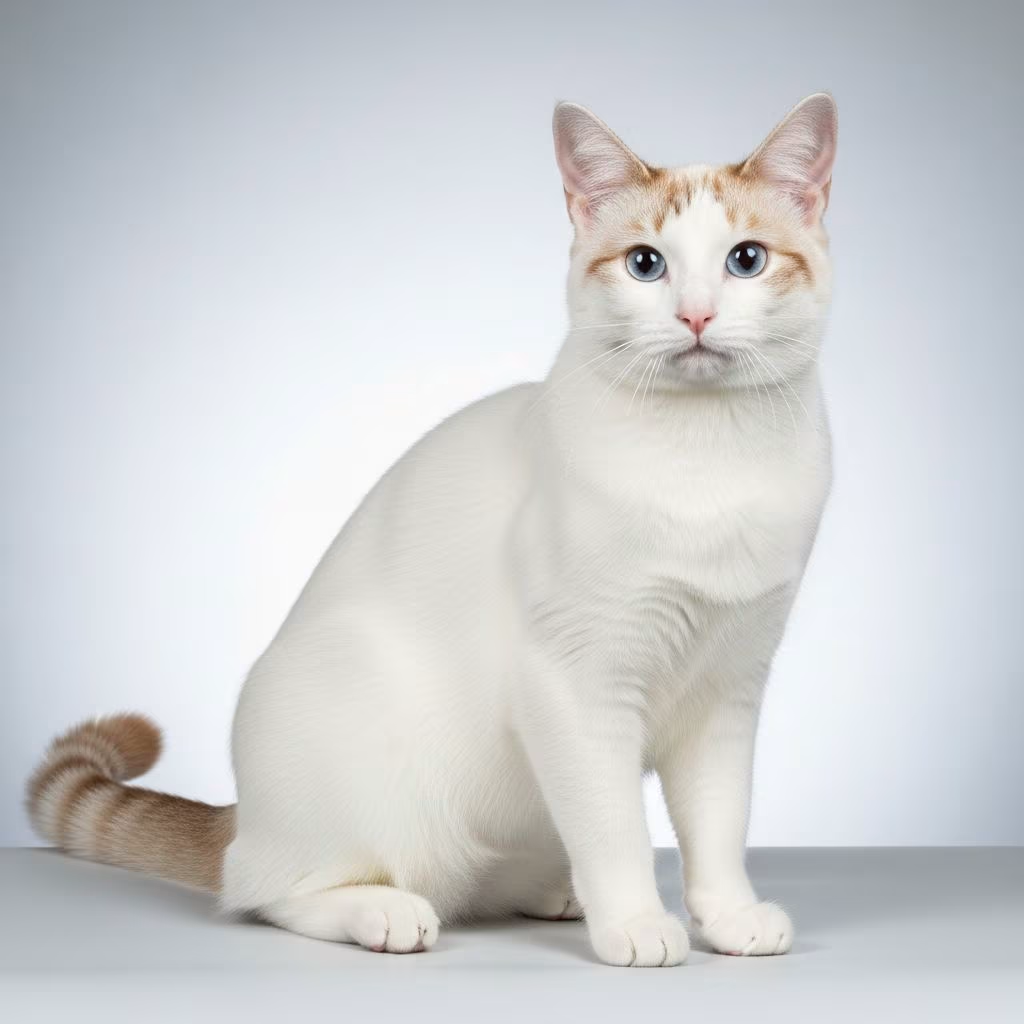
The Turkish Van cat stands out as one of the more resilient feline breeds, originating from the rugged landscapes around Lake Van in Turkey. Known for their striking appearance and love of water, these cats generally enjoy good health with few breed-specific vulnerabilities. This guide delves into their physical traits, potential health considerations, and proactive care measures to help owners maintain their pets’ well-being throughout their lifespan.
Understanding the Breed’s Physical Foundation
Turkish Vans possess a robust, muscular build that contributes significantly to their overall durability. Males typically weigh between 10 to 20 pounds, while females range from 7 to 12 pounds, reaching full maturity over 3 to 5 years. Their semi-longhaired coat is water-repellent, featuring a thicker winter layer and a lighter summer one, which aids in adapting to varied climates. This natural resilience stems from their origins in harsh environments, making them less prone to many common feline ailments.
- Broad shoulders and strong legs: Enable exceptional jumping and climbing abilities, supporting cardiovascular health through daily activity.
- Water-resistant fur: Dries quickly after swims, reducing risks of fungal infections common in other breeds.
- Variable eye colors: Including odd-eyed patterns, linked to the piebald gene but not associated with vision impairments.
Common Health Considerations for Turkish Vans
Unlike many purebred cats, Turkish Vans have no strong genetic predispositions to major diseases, as noted by breed standards from organizations like The Cat Fanciers’ Association (CFA). However, as large, active cats, they may encounter issues related to their size and lifestyle.
| Health Aspect | Potential Issues | Prevalence in Breed | Management Tips |
|---|---|---|---|
| Joint Health | Hip dysplasia (rare) | Low | Maintain ideal weight; provide joint supplements if needed. |
| Cardiac Function | Hypertrophic cardiomyopathy (HCM) | Minimal genetic link | Annual vet screenings via echocardiograms. |
| Dental Care | Periodontal disease | Moderate, age-related | Daily brushing with enzymatic toothpaste. |
| Obesity Risk | Weight gain from inactivity | Possible in indoors cats | Interactive play sessions daily. |
Hypertrophic cardiomyopathy, a thickening of the heart muscle, appears infrequently in this breed compared to others like Maine Coons. Routine veterinary check-ups, including blood pressure monitoring and bloodwork, are recommended starting at age 7.
Nutritional Needs Tailored to Turkish Vans
These energetic cats require a diet rich in high-quality proteins to fuel their playful nature and muscle maintenance. Opt for formulas supporting lean body mass, with controlled calories to prevent obesity, especially since they can tip the scales at up to 20 pounds. Fresh water access is crucial, given their affinity for swimming—consider fountains to encourage hydration.
- Protein sources: Chicken, fish, or novel proteins like turkey to mimic their hunting instincts.
- Omega-3 fatty acids: Promote coat health and reduce inflammation in joints.
- Portion control: Feed 2-3 small meals daily to align with their active metabolism.
Avoid grain-heavy foods if sensitivities arise, though most Turkish Vans tolerate balanced commercial kibble or wet food well. Consult a vet for personalized plans, particularly for seniors transitioning to lower-calorie options.
Grooming Routines for Optimal Coat and Skin Health
The Turkish Van’s coat demands minimal upkeep due to its self-cleaning properties, but weekly brushing prevents matting during shedding seasons. Their tufted paws benefit from monthly trims to avoid debris accumulation, and ear checks weekly guard against wax buildup or infections.
- Bath infrequently; their fur repels water naturally.
- Nail clipping every 2-3 weeks to protect furniture and paws.
- Dental hygiene: Use dental chews or professional cleanings annually.
Skin issues are rare, but monitor for dryness in arid environments by adding humidity or omega supplements.
Exercise and Mental Stimulation Essentials
High-energy Turkish Vans thrive on physical and mental challenges, preventing boredom-induced mischief like knocking objects off shelves. Aim for 30-60 minutes of daily play, incorporating climbing trees, puzzle feeders, and fetch games—they excel at retrieving toys mid-air.
Indoor enrichment includes window perches for bird-watching and vertical spaces like cat towers. Outdoor access in secure enclosures allows swimming if a pool is available, enhancing their natural athleticism.
Preventive Veterinary Care Schedule
Establish a lifelong wellness plan with these milestones:
- Kittens (under 1 year): Vaccinations, deworming, spay/neuter at 4-6 months.
- Adults (1-7 years): Biannual exams, fecal tests, flea/tick preventives.
- Seniors (8+ years): Thyroid checks, kidney function tests, mobility assessments.
Early detection of urinary issues, common in large males, involves promoting hydration and litter box hygiene.
Lifespan and Longevity Factors
Turkish Vans often live 12-18 years with proper care, bolstered by their hardy genetics. Key influencers include genetics, diet, exercise, and stress reduction—provide quiet retreats amid their social preferences.
Breeding and Genetic Screening Advice
For breeders, screen for HCM via DNA tests and echocardiograms before pairing. The breed’s low incidence of polycystic kidney disease (PKD) is a plus, but hip evaluations ensure sound offspring. Responsible breeding preserves their swimming cat legacy.
Environmental Influences on Health
Tailor living spaces to their needs: ample vertical territory reduces territorial stress, and toxin-free homes prevent poisoning. Temperature tolerance is high, but drafts can exacerbate joint stiffness in elders.
FAQs on Turkish Van Health
Are Turkish Vans prone to specific genetic diseases?
They have minimal genetic predispositions, with HCM occurring rarely compared to other breeds.
How often should I groom my Turkish Van?
Weekly brushing suffices; bathe only if soiled, thanks to their water-repellent coat.
Do Turkish Vans get along with other pets?
Yes, with proper introductions; they bond well with dogs and tolerate calm children.
What diet best suits an active Turkish Van?
High-protein, moderate-fat kibble or wet food, portioned to maintain lean weight.
Is swimming safe for Turkish Vans?
Absolutely—their nickname ‘Swimming Cat’ reflects this trait; supervise in safe waters.
References
- The Turkish Van Cat Breed – Hill’s Pet Nutrition — Hill’s Pet Nutrition. 2023. https://www.hillspet.com/cat-care/cat-breeds/turkish-van
- Turkish Van – Wikipedia — Wikipedia. 2024-01-15. https://en.wikipedia.org/wiki/Turkish_Van
- Turkish Van Cat Breed Information | Purina UK — Purina UK. 2023. https://www.purina.co.uk/find-a-pet/cat-breeds/turkish-van
- What To Know About a Turkish Van Cat – WebMD — WebMD. 2024. https://www.webmd.com/pets/cats/what-to-know-turkish-van-cat
- Turkish Van – The Cat Fanciers’ Association — CFA. 2023-06-01. https://cfa.org/breed/turkish-van/
- Turkish Van Cat Breed Health and Care | PetMD — PetMD. 2024. https://www.petmd.com/cat/breeds/turkish-van
- Turkish Van Cat Personality and Care | ASPCA Pet Health Insurance — ASPCA Pet Health Insurance. 2023. https://www.aspcapetinsurance.com/resources/turkish-van-cat/



