

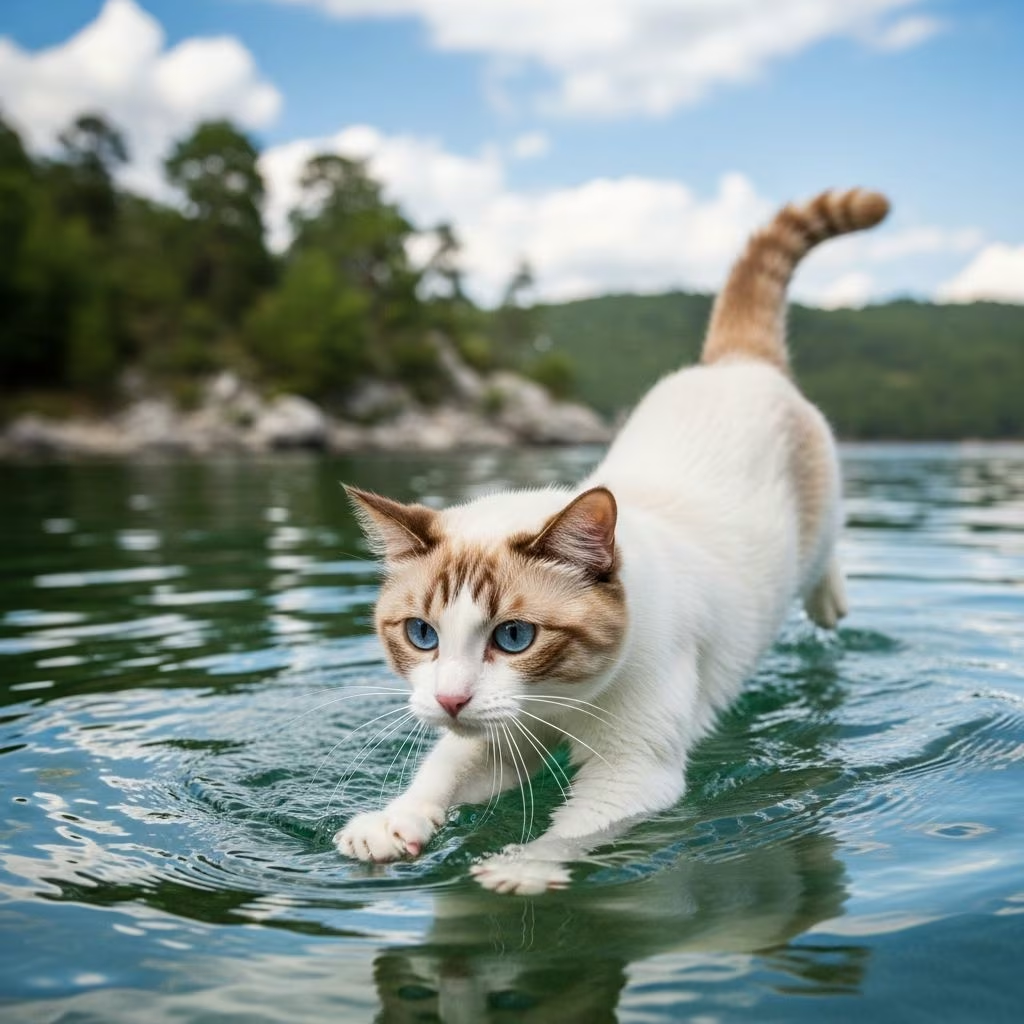
Turkish Van Cat Breed: The Swimming Cat
The Turkish Van is one of the most distinctive and captivating cat breeds, earning the affectionate nickname “The Swimming Cat” due to its remarkable fondness for water—a trait that sets it apart from most feline companions. Originating from the rugged and climatically varied region around Lake Van in Turkey, this natural breed has developed unique characteristics that make it an exceptional choice for active households. Unlike typical cats that flee at the first sight of water, Turkish Vans are strong and capable swimmers with water-repellent coats, making them extraordinarily adaptable to wet environments. Their combination of athletic prowess, intelligence, and affectionate nature has made them increasingly popular among cat enthusiasts worldwide.
Physical Characteristics and Appearance
The Turkish Van is a large, muscular, and elegantly built cat breed that presents an athletic and powerful appearance. Standing 10 to 14 inches tall, these impressive felines can weigh between 7 to 20 pounds when fully mature, with males typically larger than females. The breed is characterized by broad, strong shoulders and a moderately long body that calls to mind the build of an athlete, providing the strength and power necessary for their active lifestyle.
Distinctive Van Pattern
One of the most recognizable features of the Turkish Van is its distinctive “Van pattern,” named after the breed itself. This striking coloration is restricted primarily to the head and tail, with the rest of the body remaining pristine white. This pattern results from the expression of the piebald white spotting gene, creating a visually stunning appearance that makes the breed instantly recognizable. The color restriction typically covers no more than 20 percent of the cat’s body, leaving approximately 80 percent white, creating a beautiful contrast that attracts admirers worldwide.
Coat Characteristics
Turkish Vans possess a semi-longhaired coat that is exceptionally soft and silky rather than woolly or fluffy in texture. The coat has remarkable water-repellent properties, which can present challenges during bathing, though it dries remarkably quickly after getting wet. The breed exhibits seasonal variation in coat length and density. During winter months, the hair grows thick and long, providing protection against cold climates. In summer, the coat sheds significantly, leaving a shorter, lighter appearance that allows for better temperature regulation during warmer months. Kittens are born with relatively short coats and thin tails, but as they mature over three to five years, the fur gradually thickens, particularly on the chest and tail, which develops into a full, luxuriant brush.
Facial and Eye Features
The Turkish Van’s face is characterized by prominent cheekbones, large oval eyes that are typically expressive and alert, and moderately sized ears set high and well apart on the head. The nose exhibits a slight dip below eye level, a distinctive feature that adds to the breed’s unique appearance. The eyes can display amber, blue, or odd-eyed coloration—where one eye is blue and the other amber. Many owners highly value the rare odd-eyed cats, as this striking combination adds to their distinctive beauty. The firm chin aligns in a straight line with the nose and upper lip, creating a balanced and attractive facial structure.
Personality and Temperament
Turkish Vans are renowned for their energetic, playful, and fun-loving personalities that require substantial attention and engagement from their owners. These highly intelligent cats demonstrate almost dog-like qualities, including the ability to learn to fetch and even catch toys in mid-flight during enthusiastic chases around the house. Their strong drive and muscular build make them formidable hunters and accomplished athletes both indoors and outdoors.
Activity Level and Behavior
The Turkish Van is notably active and requires regular exercise and playtime to thrive. With powerful hind legs, they are exceptional jumpers and climbers, often positioning themselves atop bookshelves, furniture, and other high perches to survey their domain and monitor household activities. They have a particular fondness for knocking items off shelves and tables, and they prefer remaining elevated rather than being floor cats. Their athleticism and intelligence make them prone to mischief, as they excel at solving problems—including figuring out how to access cupboards containing their favorite treats or cat food.
Social Interactions and Affection
Turkish Vans are loving, loyal, and affectionate companions that enjoy spending time with their families. However, their approach to affection is on their own terms. They like to be cuddled and will often curl up beside you on the couch or even crawl into your lap while watching television, but they are not particularly fond of being held or carried for extended periods. These cats appreciate having space nearby when their owners sit down, and they will typically approach to request attention. They are not highly tolerant of people tugging at their tails or attempting to pet them forcefully, making them better suited to families with older children who understand their boundaries.
Vocal Communication
While Turkish Vans do not possess loud voices, they are quite vocal and enjoy “talking” with their owners. These cats have a great deal to communicate and will make their presence known through chirps, meows, and other vocalizations. Owners often report that they can hear their Turkish Van nearby due to this chattiness.
Water Affinity and Unique Traits
One of the most defining characteristics of the Turkish Van is its exceptional love of water, a trait that distinguishes it from virtually all other cat breeds. Thanks to their water-repellent coat, these cats are strong swimmers who actively seek water rather than avoiding it. This unique characteristic has earned them the distinctive title “The Swimming Cat” and makes them a fascinating breed for those seeking a cat with unconventional personality traits. Some Turkish Vans may even enjoy playing in shallow water or fountains within the home.
Family Compatibility and Social Needs
Turkish Vans can make wonderful family companions, though certain considerations should be kept in mind. They generally get along well with dogs if properly introduced, and they do well in households with older children who understand their preferences regarding handling and physical contact. For families with young children, a meet-and-greet before adoption is recommended, with ongoing supervision to ensure positive interactions. The breed’s independence balanced with their friendliness makes them suitable for first-time cat owners who can provide adequate space and attention.
These cats can be left alone during the day and handle busy households reasonably well, though they do best when their owners have significant time to dedicate to play and interaction. They need extensive outdoor space when possible, as their active nature thrives with room to climb, jump, and explore.
Health and Genetic Considerations
Turkish Vans are a naturally robust breed with no known genetic predisposition toward medical issues, making them generally healthy cats when obtained from responsible breeders. The breed’s eye color variation is genetically caused by the white spotting factor, a characteristic feature of the breed. This genetic factor produces the distinctive Van pattern and can result in blue eyes, amber eyes, or the prized odd-eyed combination.
One important consideration is that Turkish Vans mature slowly, taking three to five years to reach their full adult size and development. During this extended growth period, allowances should be made for their continued physical development and changing needs.
Grooming and Care Requirements
Turkish Vans require daily grooming to maintain their beautiful semi-longhaired coat in optimal condition. Regular brushing helps prevent matting and reduces shedding, particularly during seasonal transitions when the coat changes from thick winter fur to lighter summer coat. Bathing can be challenging due to the coat’s water-repellent properties, though it does dry remarkably quickly. Regular ear cleaning and nail maintenance are also important components of their grooming routine. Owners should provide appropriate scratching surfaces and toys to satisfy their natural climbing and hunting instincts.
Enrichment and Play
Turkish Vans thrive with regular mental and physical stimulation. These intelligent cats particularly enjoy toys made of natural materials such as feathers or fur, though they readily devise their own entertainment from crumpled paper and other household items. Providing vertical spaces, cat trees, climbing structures, and interactive toys can help satisfy their need for activity and mental engagement. Their ability to learn tricks and commands means that interactive play sessions can be particularly rewarding for both cat and owner.
Frequently Asked Questions (FAQs)
Q: Why are Turkish Vans called “swimming cats”?
A: Turkish Vans have water-repellent coats and a natural love of water, making them exceptional swimmers compared to other cat breeds. Unlike most cats that avoid water, Turkish Vans actively seek it and enjoy playing in water environments.
Q: How much do Turkish Van cats weigh?
A: Adult males typically weigh between 10 to 20 pounds, while females generally weigh between 7 to 12 pounds. These large, muscular cats take 3 to 5 years to reach full maturity.
Q: Are Turkish Vans good with children?
A: Turkish Vans do best with older children who understand their preference for not being held and can avoid pulling their tails. For families with young children, supervision and careful introduction are recommended before adoption.
Q: Can Turkish Vans be trained?
A: Yes, Turkish Vans are highly intelligent and can learn to fetch, respond to commands, and even catch toys in mid-flight. Their problem-solving abilities and eagerness to engage make them trainable compared to many other cat breeds.
Q: How often should I groom my Turkish Van?
A: Daily grooming is recommended to maintain their semi-longhaired coat, prevent matting, and manage shedding, particularly during seasonal coat transitions.
Q: Do Turkish Vans get along with other pets?
A: Turkish Vans generally get along well with dogs if properly introduced. Early socialization and appropriate introductions are key to successful multi-pet households.
Q: What is the Van pattern?
A: The Van pattern is a distinctive color restriction where colored markings appear primarily on the head and tail, with the rest of the body remaining white. This pattern results from the piebald white spotting gene and is the breed’s most recognizable feature.
References
- The Turkish Van Cat Breed — Hill’s Pet Nutrition. https://www.hillspet.com/cat-care/cat-breeds/turkish-van
- Turkish Van — Wikipedia. https://en.wikipedia.org/wiki/Turkish_Van
- What To Know About a Turkish Van Cat — WebMD. https://www.webmd.com/pets/cats/what-to-know-turkish-van-cat
- Turkish Van Cat Breed Information — Purina UK. https://www.purina.co.uk/find-a-pet/cat-breeds/turkish-van
- Turkish Van Breed Standard — The Cat Fanciers’ Association. https://cfa.org/breed/turkish-van/
- Turkish Van Cat Breed Health and Care — PetMD. https://www.petmd.com/cat/breeds/turkish-van
- Turkish Van Cat Personality and Care — ASPCA Pet Health Insurance. https://www.aspcapetinsurance.com/resources/turkish-van-cat/



