

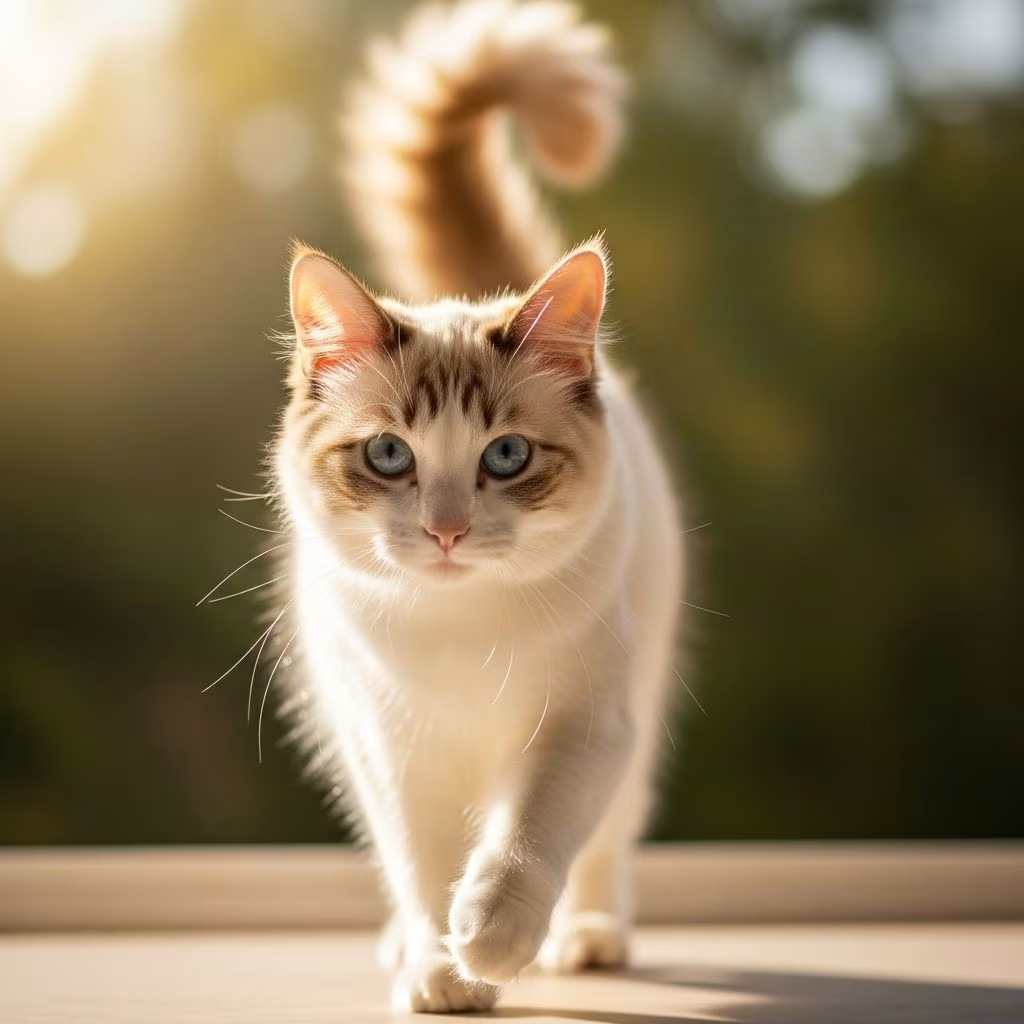
Turkish Van Cat Breed: Complete Guide
The Turkish Van is a distinctive and remarkable cat breed that stands out among domestic felines for its unique characteristics, exceptional athleticism, and affectionate nature. Originating from the rugged and climatically varied region of the Middle East, specifically from various cities in modern Turkey, this semi-longhaired breed has captured the hearts of cat enthusiasts worldwide. Known for their striking appearance, playful disposition, and most notably, their love of water, Turkish Vans have earned the affectionate nickname “The Swimming Cat.” This comprehensive guide explores everything you need to know about this fascinating breed, from their physical characteristics to their care requirements.
Physical Characteristics and Appearance
The Turkish Van is one of the larger domestic cat breeds, commanding attention with its muscular and athletic build. These cats are solidly constructed with substantial bodies and legs that showcase their strength and power. The breed displays a distinctive body shape characterized by broad shoulders and a moderately long body, which gives them the appearance of a feline athlete. Turkish Vans have strong, broad shoulders and a short neck, embodying the physique of a well-conditioned athlete.
Size and Weight
Turkish Vans are notably larger than average domestic cats. Mature males typically weigh between 10 to 20 pounds, while females generally range from 7 to 12 pounds. It’s important to note that this breed takes an exceptionally long time to reach full maturity, with development continuing until the age of 3 to 5 years. During this extended growth period, kittens may appear short-haired with thin tails, but as they mature, the fur on their chest fills out significantly and their tails develop into full, luxuriant brush tails.
The Distinctive Van Pattern
One of the most recognizable features of the Turkish Van is the Van pattern, which is named after the breed itself. This distinctive pattern features color restricted primarily to the head and tail, while the rest of the cat’s body remains white. This striking coloration is due to the expression of the piebald white spotting gene, a type of partial leucism that creates the breed’s signature appearance. The white background covers approximately 80% of the body, with colored marks occupying at most 20%.
Coat Characteristics
The Turkish Van possesses a semi-longhaired coat that is exceptionally soft and silky rather than woolly or fluffy. One of the most remarkable features of their coat is its uncommon water-repellent quality, which makes bathing these cats somewhat challenging, though their coats dry remarkably quickly. Interestingly, the breed exhibits two lengths of hair depending on the season. During winter months, the hair becomes thick and luxuriant, while in summer, the coat sheds to reveal a shorter, lighter appearance. Paws are tufted, and the tail should be a luxuriant brush with a minimum of two inches of fur, creating a distinctive plumed appearance.
Eye Color Variations
Turkish Vans display remarkable variability in eye color, with the breed accepting amber, blue, or odd eyes—where one eye is blue and the other is amber. Many owners highly value the odd-eyed cats, as this striking combination enhances their distinctive appearance. The variability in eye color is genetically caused by the white spotting factor, which is characteristic of the breed.
Personality and Temperament
The Turkish Van cat’s personality is best described as energetic, playful, and fun-loving, making them ideal companions for those who have time and affection to share. These cats are highly intelligent, alert, and somewhat mischievous, with a reputation for getting into creative mischief around the house. They are characterized as lively and social felines that require regular exercise and playtime to thrive.
Behavioral Traits
Turkish Vans are known for their remarkable athleticism and impressive jumping ability. Their powerful hind legs make them exceptional jumpers and climbers, and you can expect to find them perched atop bookshelves or other high places where they can observe everything happening in their world. This breed is not known for being a floor cat—they prefer to be at the top of everything, watching the happenings below. They have a particular fondness for knocking items off shelves and tables, demonstrating their active and somewhat mischievous nature.
One notable and unusual characteristic of the Turkish Van is their exceptional affinity for water. While most cats instinctively avoid water, the Turkish Van is a strong and capable swimmer, earning the breed the affectionate nickname “The Swimming Cat.” This characteristic sets them apart from virtually all other domestic cat breeds.
Trainability and Intelligence
Turkish Vans are very intelligent cats that are quite adept at solving problems, including figuring out how to open the cupboard where cat food is stored. This breed can learn to fetch and may even be observed catching toys in mid-flight or performing somersaults in their enthusiastic chases around the house. They are loyal companions who always appreciate a good game, making them engaging and interactive pets.
Affection and Bonding
While Turkish Vans are loving and loyal cats, they tend to be selective about physical affection. They like to be cuddled and held on their own terms, though not for extended periods. These cats are not particularly tolerant of people tugging at their tails or attempting to pet them in ways they don’t prefer. They are not fond of being held or carried, but they still crave physical closeness to their owners. Many Turkish Vans make a stronger bond with one particular family member, whom they deem as “their person.”
It’s common for these cats to jump up and seek attention from_family members when they sit down, particularly if you leave space nearby for them. When playtime is over, they will curl up next to you on the couch or even crawl into your lap while you watch television.
Vocalization
Although they do not have loud voices, Turkish Vans are quite vocal and have a great deal to say for themselves. You will likely know when your Turkish Van is nearby because you’ll hear them “talking” with various vocalizations. This makes them slightly talkative cats compared to some other breeds.
Compatibility with Other Pets and Families
Turkish Vans can be excellent companions in multi-pet households when properly introduced. They generally get along well with dogs and other cats, though they are often said to prefer the company of another Turkish Van. If introducing a Turkish Van to a family with young children, it’s essential to arrange a meet-and-greet beforehand and ensure supervision, as the breed does not tolerate tail-pulling or rough handling well. They do best with older children who can understand their reluctance to be carried around and can be trusted not to pull their colorful tails.
Activity Level and Exercise Requirements
Turkish Vans are characterized as very active cats that enjoy climbing, leaping, and constant mental stimulation. They are energetic animals that demonstrate their athletic prowess both on land and in the water. These cats require extensive outdoor space and regular playtime to satisfy their high energy levels and prevent boredom-related behavioral issues.
Turkish Vans particularly enjoy toys made of natural materials such as feathers or fur, but they will also devise their own toys from crumpled paper and countless other household items. This creative approach to entertainment makes them engaging and entertaining companions.
Grooming and Coat Care
Turkish Vans require regular grooming to maintain their beautiful semi-longhaired coats. Daily grooming is recommended to prevent matting and to keep their coat in optimal condition. The water-repellent nature of their coat can make bathing somewhat challenging, though their coats dry quickly once bathed. The seasonal variation in coat length means that grooming needs may fluctuate throughout the year, with more intensive grooming typically needed during the winter months when their coat is thicker and longer.
Health and Lifespan
The Turkish Van is a large, highly energetic animal with no known genetic predisposition toward specific medical issues. This breed generally enjoys good health when provided with proper care, nutrition, and regular veterinary check-ups. The extended maturity period of 3 to 5 years should be considered when evaluating the breed’s overall health and development. Regular exercise and mental stimulation are essential to maintaining their physical and mental well-being.
Suitability for Different Households
Turkish Vans can be great for first-time cat owners who are prepared for an active, intelligent, and somewhat independent companion. They are independent yet friendly cats that thrive in households where they receive adequate attention and playtime. While they can be left alone all day, they cope best with owners who can provide regular interaction and mental stimulation. However, they are not ideal for family homes with very young children due to their intolerance for rough handling and tail-pulling.
Frequently Asked Questions
Q: Why are Turkish Van cats called “swimming cats”?
A: Turkish Vans are called “swimming cats” because, unlike most domestic felines, they genuinely enjoy water and are strong, capable swimmers. This unusual affinity for water distinguishes them from virtually all other cat breeds.
Q: How long does it take for a Turkish Van to reach full maturity?
A: Turkish Vans take an exceptionally long time to reach full maturity, typically between 3 to 5 years. During this period, their coat grows gradually, and they continue to develop physically.
Q: Are Turkish Vans good family pets?
A: Turkish Vans can be good family pets for households with older children who understand the breed’s need for space and reluctance to be held. They do best when properly introduced to the family and when there is adequate supervision. They are not recommended for families with very young children.
Q: Do Turkish Vans get along with other pets?
A: Yes, Turkish Vans generally get along well with dogs and other cats when properly introduced. They often prefer the company of another Turkish Van but can adapt well to multi-pet households.
Q: How much grooming do Turkish Vans require?
A: Turkish Vans require daily grooming to maintain their semi-longhaired coat and prevent matting. This commitment is important, especially during winter months when their coat is thicker and longer.
Q: What is the Van pattern?
A: The Van pattern is the distinctive coloring of Turkish Vans where color is restricted to the head and tail, while the rest of the body remains white. This pattern covers approximately 80% of the body in white, with colored marks occupying at most 20%.
Q: Are Turkish Vans intelligent cats?
A: Yes, Turkish Vans are highly intelligent cats that can learn to fetch, solve problems, and figure out how to access things like food cupboards. They are adept problem-solvers and engaging companions.
References
- The Turkish Van Cat Breed — Hill’s Pet Nutrition. 2024. https://www.hillspet.com/cat-care/cat-breeds/turkish-van
- Turkish Van — Wikipedia. 2024. https://en.wikipedia.org/wiki/Turkish_Van
- What To Know About a Turkish Van Cat — WebMD. 2024. https://www.webmd.com/pets/cats/what-to-know-turkish-van-cat
- Turkish Van Cat Breed Information — Purina UK. 2024. https://www.purina.co.uk/find-a-pet/cat-breeds/turkish-van
- Turkish Van — The Cat Fanciers’ Association. 2024. https://cfa.org/breed/turkish-van/
- Turkish Van Cat Personality and Care — ASPCA Pet Health Insurance. 2024. https://www.aspcapetinsurance.com/resources/turkish-van-cat/



