

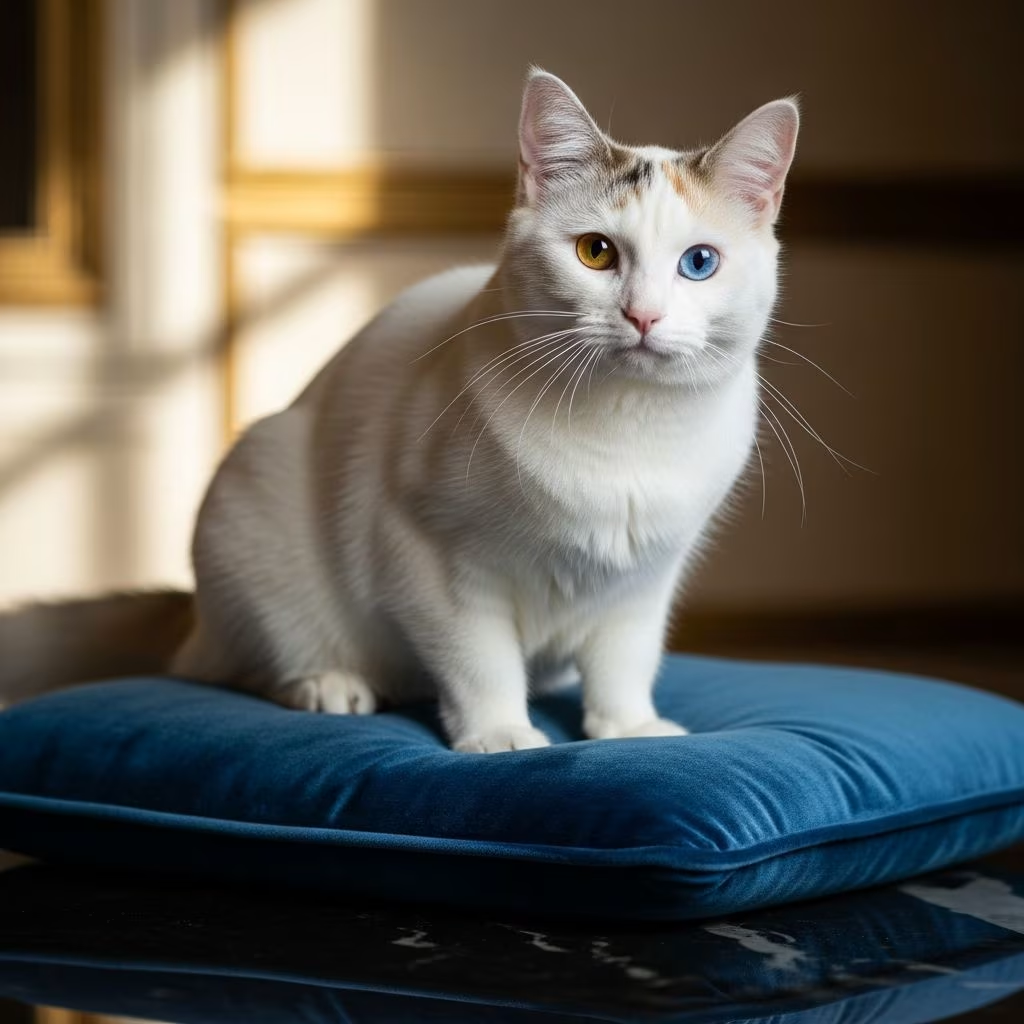
The Turkish Van stands out as a captivating semi-longhaired cat breed renowned for its love of water, robust build, and iconic coloring. Originating from the harsh terrains around Lake Van in Turkey, these cats embody resilience and playfulness, making them a favorite among enthusiasts seeking an adventurous companion.
Ancient Roots in Rugged Landscapes
The Turkish Van traces its lineage to the isolated, mountainous regions of eastern Turkey, particularly near Lake Van, where extreme weather forged its distinctive traits. This natural breed evolved without human intervention, adapting a water-repellent coat to thrive in varying climates—from scorching summers to freezing winters. Local lore ties the cats to biblical tales, suggesting pairs swam from Noah’s Ark to settle by the lake, though scientific evidence points to ancient domestication in the area spanning modern Turkey, Armenia, Iran, Iraq, and Russia.
In the mid-20th century, the breed gained Western attention. British photographers Laura Lushington and Sonia Halliday discovered these cats during a 1955 trip to Turkey. Impressed by their unique appearance—predominantly white bodies with colored heads and tails—they brought pairs back to the UK. The kittens inherited the same markings, confirming a stable genetic line. Lushington established breeding programs, initially calling them “Turkish Cats” before renaming to Turkish Van to differentiate from the Turkish Angora.
Recognition followed swiftly. The UK’s Governing Council of the Cat Fancy (GCCF) granted championship status in 1969. The International Cat Association (TICA) accepted the breed in 1985, and the Cat Fanciers’ Association (CFA) began registrations in 1988. In Turkey, these cats are national treasures, protected by institutions like the Turkish College of Agriculture and Ankara Zoo.
Signature Appearance and Unique Markings
Turkish Vans are large, muscular cats with a semi-longhaired coat that feels soft and silky, resembling cashmere. Adults weigh 7-12 pounds for females and 9-20 pounds for males, reaching full maturity at 3-5 years. Their bodies feature a long, elegant neck, deep chest, and strong legs, with large oval eyes in shades of amber, blue, or odd-eyed combinations.
The hallmark is the **Van pattern**: at least 80% white body with color confined to the head and tail, thanks to the piebald spotting gene causing partial leucism. Colors include auburn, black, blue, cream, red, or tabby variations. Solid white Vans, known as Van Kedisi, exist too. The tail is plush and ringed, while paws may show minimal thumbprints of color.
| Physical Trait | Description |
|---|---|
| Body Build | Muscular, broad-chested, wedge-shaped head |
| Coat | Semi-long, single-layered, water-resistant |
| Pattern | Van: white body, colored head/tail |
| Eyes | Oval, amber/blue/odd-eyed |
| Size | Medium-large, matures slowly |
This patterning isn’t breed-exclusive but defines the Turkish Van standard across registries.
Personality: Playful Powerhouses with a Water Obsession
Turkish Vans are lively, intelligent, and deeply affectionate, often forming strong bonds with owners. High-energy and mischievous, they demand interaction and excel in games involving water—earning the “swimming cat” moniker. Unlike most felines, they dive into pools, bathtubs, or rain puddles with glee, thanks to their waterproof coat.
These cats are social butterflies, getting along with children, dogs, and other pets if socialized early. Their vocal nature and curiosity make them entertaining housemates, though they dislike solitude. Expect a loyal companion who follows you room-to-room.
- Energetic Explorers: Love climbing, jumping, and puzzle toys.
- Affectionate: Gentle cuddlers who knead and purr loudly.
- Intelligent: Quick learners for tricks and fetch.
- Water Lovers: Seek out sinks, showers, and outdoor ponds.
Health and Longevity Insights
Turkish Vans boast a lifespan of 11-15 years, benefiting from hybrid vigor as a natural breed. Common concerns include hypertrophic cardiomyopathy (HCM), a heart condition screened via DNA tests by responsible breeders. Hip dysplasia and ataxia (a neurological issue) occur rarely. Annual vet checkups, dental care, and obesity prevention are key.
Genetic diversity from their origins reduces inbreeding risks. Reputable breeders provide health guarantees and pedigrees from TICA/CFA.
Grooming and Everyday Care
The coat sheds seasonally but requires weekly brushing to manage undercoat growth and prevent mats. Its oily texture resists dirt and water, minimizing baths—perfect for swimmers. Daily dental hygiene, nail trims biweekly, and ear cleaning as needed maintain hygiene.
Feed high-quality protein-rich diets to fuel their activity. Provide tall scratching posts, window perches, and interactive toys. Enclosed litter boxes suit their preference for privacy.
Bringing Home a Turkish Van: Adoption and Breeding Tips
Acquire from TICA/CFA-registered breeders emphasizing health testing. Rescue groups occasionally have Vans or mixes. Kittens cost $800-$2000, adults less. Prepare for a slow-maturing, high-maintenance pet needing space to play.
Turkish Vans thrive in active households but may overwhelm apartments without stimulation. Early training curbs mischief.
Fun Facts and Cultural Significance
- Turkey views them as symbols of good fortune.
- Their paws develop furry tufts in winter for insulation.
- Van pattern appears in folklore worldwide.
- Often confused with Turkish Angoras, but Vans are larger with longer fur.
Frequently Asked Questions (FAQs)
Do Turkish Vans really like water?
Yes, uniquely among cats, they embrace swimming due to their water-repellent coat.
What’s the difference between Turkish Van and Turkish Angora?
Vans have the Van pattern and semi-long waterproof fur; Angoras are all-over colored with finer coats.
Are they good family pets?
Absolutely, their gentle, playful nature suits kids and multi-pet homes.
How often do I need to groom a Turkish Van?
Weekly brushing suffices; daily during shedding seasons.
Can Turkish Vans have odd-colored eyes?
Yes, blue, amber, or one of each is standard.
Ideal Homes for These Vibrant Swimmers
Turkish Vans flourish where their zest for life is matched—think homes with yards, pools, or rainy days for splashing. Their blend of independence and devotion creates lifelong friendships. Research breeders thoroughly to welcome an authentic Van into your world.
References
- Turkish Van Cat Guide — CWVC Limited. 2018-01-03. https://www.cwvet.co.uk/blog/2018/01/03/turkish-van-cat-guide/
- History of Turkish Van Breed — Cozy Cat Furniture. N/A. https://www.cozycatfurniture.com/blog/turkish-van-cat
- Turkish Van — Wikipedia. N/A. https://en.wikipedia.org/wiki/Turkish_Van
- Turkish Van Cats – 5 Fascinating Things You Should Know — The Cat Site. N/A. https://thecatsite.com/c/turkish-van-cats-5-fascinating-things-you-should-know/
- The Truth About The Turkish Van Cat — Cat Wisdom 101. N/A. https://catwisdom101.com/truth-about-van-cats/
- Turkish Van & Turkish Vankedisi — Governing Council of the Cat Fancy. N/A. https://www.gccfcats.org/getting-a-cat/choosing/cat-breeds/turkish-van-turkish-vankedisi/
- Turkish Van — The International Cat Association (TICA). N/A. https://tica.org/breed/turkish-van/



