

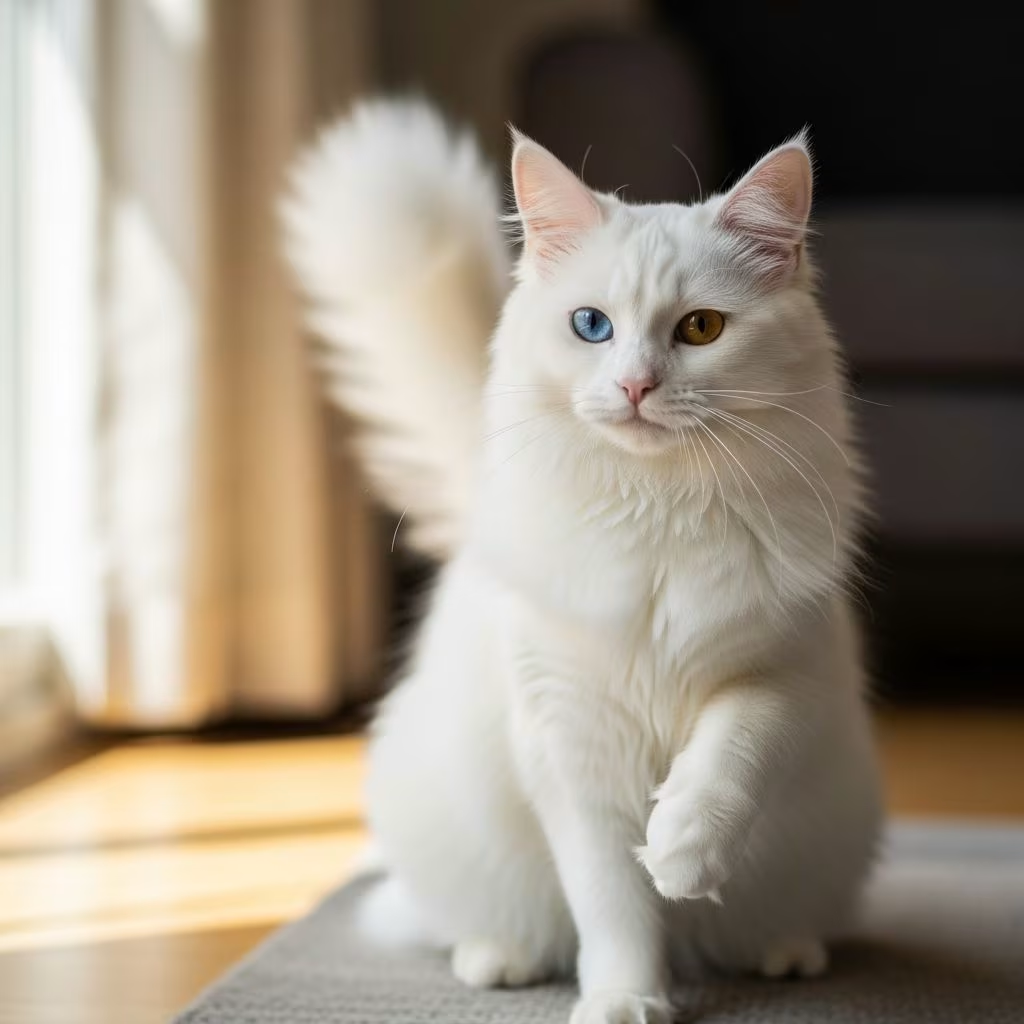
The Turkish Angora stands out as one of the most graceful and ancient cat breeds, originating from Turkey and celebrated for its silky coat, athletic build, and engaging personality. This breed combines elegance with high energy, making it an ideal companion for active households seeking a loyal and interactive pet.
Ancient Roots and Breed History
Tracing back centuries, the Turkish Angora hails from the Ankara region in Turkey, where it was prized as a national treasure. Historical records suggest these cats were among the first long-haired varieties introduced to Europe, with specimens gifted to European royalty as early as the 17th century. Their natural development without heavy human intervention preserved a robust, feral ancestry that contributes to their vitality today.
In Turkey, the breed nearly faced extinction in the mid-20th century due to crossbreeding with Persians, but dedicated preservation efforts by Turkish zoos and breeders revived it. Today, organizations like The Cat Fanciers’ Association (CFA) recognize the Turkish Angora for its balanced physique and shimmering coat, emphasizing its status as a natural breed with minimal modern alterations.
Distinctive Physical Features
Turkish Angoras possess a refined, medium-sized frame that exudes poise and motion. Their bodies are long and muscular, supported by slender legs—hind legs slightly longer than the front—ending in small, oval paws often tufted between the toes. A hallmark is their large, erect ears set high on the head, enhancing an alert expression.
The coat is single-layered, medium-long, and silky, lying flat without a dense undercoat, which simplifies grooming. It flows gracefully during movement and varies seasonally in length. While the iconic white coat with odd-colored eyes (one blue, one amber) defines the classic image, colors span black, blue, red, cream, tabby, and patterns like ticked tabby or smoke.
| Physical Trait | Description |
|---|---|
| Body Type | Slender, muscular, fine-boned; 9-14 inches tall, up to 18 inches long (excluding tail) |
| Weight | 5-10 pounds (females smaller) |
| Eyes | Almond-shaped; blue, green, amber, or odd-eyed |
| Tail | Long, plumed like a feather duster |
| Coat | Silky, medium-long, single layer; multiple colors |
Vibrant Personality and Behavior
Far from fragile, Turkish Angoras burst with affection, intelligence, and playfulness. They thrive on human interaction, often following owners room-to-room and participating in daily activities. Their social nature extends to children and other pets, provided introductions are gradual, fostering harmonious multi-pet homes.
- Affectionate and Loyal: These cats form deep bonds, offering gentle cuddles and preferring proximity over prolonged holding.
- Playful Athletes: High energy drives them to leap, climb, and chase, excelling in agility games like a “ballerina among cats.”
- Intelligent and Trainable: Sharp minds respond well to clicker training, toys, and puzzles, channeling curiosity productively.
- Vocal Communicators: Chatty meows express needs, moods, and desires, engaging owners in “conversations.”
- Sweet Temperament: Mild-mannered despite rambunctious play, they adapt to family dynamics with empathy.
Owners note their adaptability but sensitivity to routine changes; gradual introductions prevent stress. Not ideal for constant solitude, they flourish in engaging environments.
Health Considerations and Lifespan
With proper care, Turkish Angoras live 12-18 years, sometimes beyond. Their natural hardiness stems from Anatolian origins, but vulnerabilities include:
- Hereditary Ataxia: A neurological condition causing wobbly gait, linked to some white kittens; genetic testing is crucial for breeders.
- Obesity Risk: Fine bones demand weight monitoring; active lifestyles help maintain lean muscle.
- Heart Conditions: Hypertrophic cardiomyopathy (HCM) screening recommended via veterinary ultrasounds.
- Dental Health: Prone to gingivitis; regular brushing and check-ups essential.
Annual vet visits, balanced diet, and environmental enrichment mitigate issues. As a natural breed, they exhibit fewer genetic woes than heavily bred counterparts.
Grooming and Daily Care Essentials
Low-maintenance coats require weekly brushing to remove loose fur and distribute oils, preventing mats. Bathing is rare due to self-cleaning prowess. Nail trims bi-weekly, ear cleaning monthly, and dental care daily keep them pristine.
High activity levels necessitate vertical spaces: cat trees, shelves, and window perches. Interactive toys, feather wands, and puzzle feeders satisfy hunting instincts. Litter boxes should be spacious and scooped daily; covered options suit their privacy preferences.
| Care Task | Frequency | Tips |
|---|---|---|
| Brushing | Weekly | Use slicker brush for silkiness |
| Nail Trimming | Every 2 weeks | Introduce early to avoid stress |
| Dental Care | Daily brushing | Enzymatic toothpaste |
| Play Sessions | Daily, 20-30 min | Rotate toys for engagement |
Nutrition and Diet Recommendations
Fuel their athleticism with high-quality, protein-rich food tailored to life stage. Kittens need frequent meals for growth; adults twice daily; seniors portion-controlled to prevent weight gain. Wet food aids hydration, supporting urinary health.
- Avoid obesity with measured portions; treats under 10% calories.
- Fresh water always; fountains encourage drinking.
- Supplements like omega-3s promote coat shine.
Consult vets for breed-specific formulas, emphasizing lean meats over fillers.
Finding and Selecting Your Turkish Angora
Rare outside Turkey and select U.S./European catteries, seek CFA-registered breeders emphasizing health testing. Adoption from rescues possible, though purebreds scarce. Evaluate kittens for alertness, clear eyes, and social demeanor. Budget $800-$2000+ for pedigreed cats, plus ongoing costs.
Prioritize contracts guaranteeing HCM/ataxia screening. Early socialization yields confident adults.
Ideal Homes and Lifestyle Fit
Best for active families, apartments with play space, or multi-pet homes. Not for sedentary owners or frequent absences. Children-friendly if taught respect; gentle with respectful dogs.
Frequently Asked Questions (FAQs)
Are Turkish Angoras good lap cats?
They enjoy close proximity and cuddles but prefer perching nearby over constant lap-sitting, balancing independence with affection.
Do Turkish Angoras shed a lot?
Moderate shedding due to single coat; weekly brushing manages it effectively year-round.
Can Turkish Angoras have blue eyes?
Yes, especially whites; odd-eyed (one blue, one other) is prized and linked to deafness risk in blue-eyed whites.
Are they hypoallergenic?
No, but low-shedding coat produces less dander than double-coated breeds.
How much exercise do they need?
Daily play; 20-30 minutes prevents boredom and destructive behavior.
Why Choose a Turkish Angora?
This breed offers timeless elegance, boundless joy, and unwavering companionship. Their blend of beauty, brains, and heart makes them standout pets for discerning owners ready for an enriching bond.
References
- Facts, Features, and Personality Traits of Turkish Angora Cats — World’s Best Cat Litter. 2023. https://www.worldsbestcatlitter.com/blog/turkish-angora-cat-facts/
- Turkish Angora Cat Breed – Hill’s Pet Nutrition — Hill’s Pet. 2024. https://www.hillspet.com/cat-care/cat-breeds/turkish-angora
- Angora Cat | Traits, Appearance, General Character — VetAmerikan. 2023. https://www.vetamerikan.org/our-best-friends/cat-types/angora-cat
- Turkish Angora Cat Personality Traits — Litter-Robot. 2024. https://www.litter-robot.com/blog/turkish-angora-personality/
- Turkish Angora Cat Breed Information — Purina US. 2024. https://www.purina.com/cats/cat-breeds/turkish-angora
- Turkish Angora – The Cat Fanciers’ Association — CFA. 2025. https://cfa.org/breed/turkish-angora/
- What To Know About a Turkish Angora Cat — WebMD. 2024. https://www.webmd.com/pets/cats/what-to-know-turkish-angora-cat



