

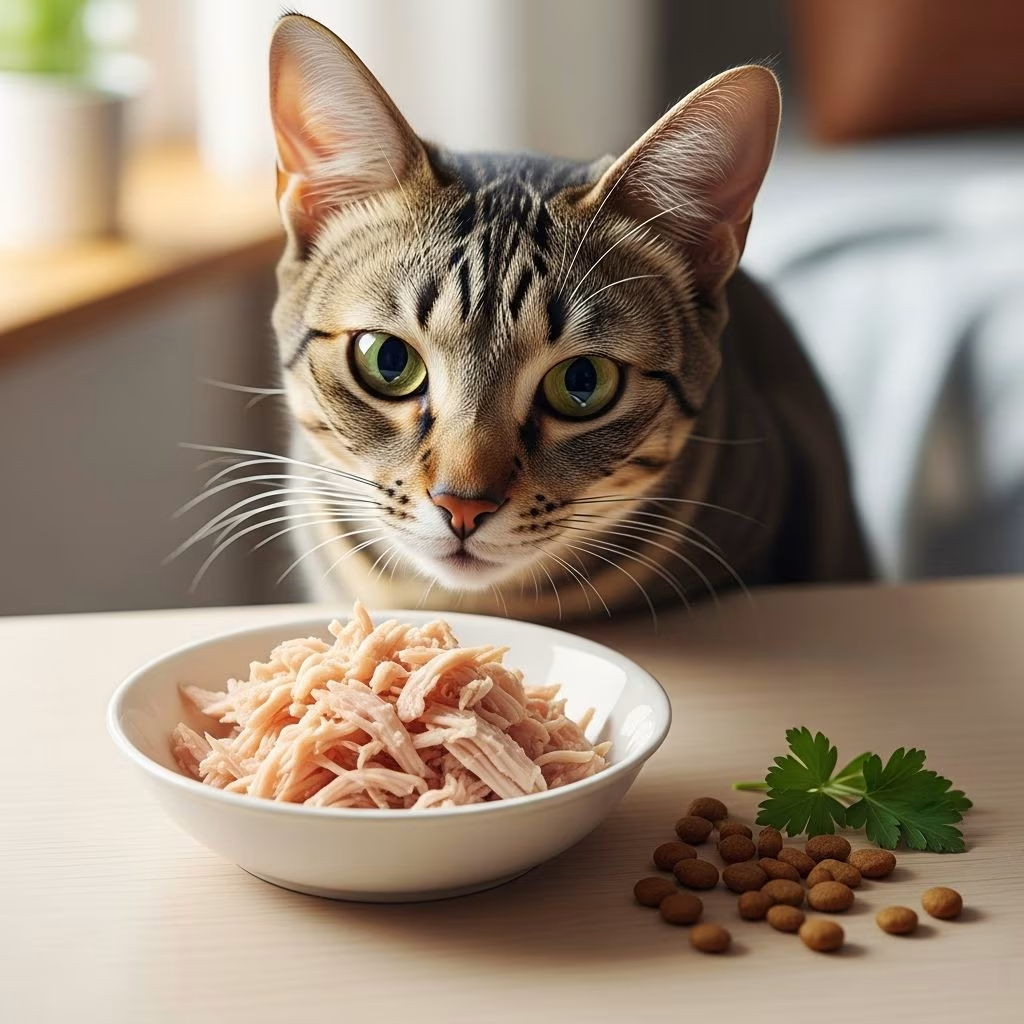
Many cat owners wonder whether they can share holiday meals or prepared turkey with their feline companions. The straightforward answer is yes—cats can consume turkey, but specific conditions must be met to ensure their safety and nutritional well-being. Understanding the proper preparation methods, portion sizes, and potential hazards is essential for any pet owner considering adding turkey to their cat’s diet.
Understanding Turkey as a Protein Source for Felines
Cats are obligate carnivores, meaning their bodies are naturally designed to thrive on animal-based proteins. Turkey represents an excellent protein option that aligns with their dietary requirements. This poultry offers multiple nutritional advantages, including essential amino acids, B vitamins, zinc, phosphorus, selenium, and magnesium—all of which contribute to maintaining muscle mass, supporting immune function, and promoting overall vitality in cats.
The lean nature of turkey meat makes it particularly attractive for cats that need to maintain a healthy weight. Unlike fattier protein sources, turkey provides substantial nutritional value without excessive caloric content, supporting long-term wellness and metabolic health. Additionally, turkey contains tryptophan, an amino acid that can have a calming effect on felines, making it a particularly beneficial treat option.
Nutritional Benefits for Your Feline Companion
When properly prepared, turkey delivers several nutritional advantages to cats:
- Lean Protein Foundation: Turkey is a relatively low-fat protein source that helps maintain healthy body weight while preserving muscle mass and strength.
- Essential Micronutrients: The meat provides crucial B vitamins for energy metabolism, zinc for immune support, and phosphorus for bone health.
- Amino Acid Profile: Turkey contains the complete spectrum of amino acids necessary for cellular function, tissue repair, and metabolic processes.
- Low Allergenicity: Compared to chicken and other common proteins, turkey is less likely to trigger allergic reactions in cats with food sensitivities.
- Dietary Variety: Introducing turkey alongside other proteins prevents feeding monotony and allows cats to receive a broader range of essential nutrients.
Preparing Turkey: What Your Cat Can and Cannot Have
The method of preparation dramatically affects whether turkey is safe for your cat. Several components must be removed or avoided entirely to protect your feline’s health.
Essential Preparation Guidelines
The turkey must be thoroughly cooked to eliminate harmful bacteria. Raw poultry carries significant risks of pathogenic contamination, particularly Salmonella and E. coli, which can cause severe gastrointestinal distress and systemic infections in cats. Raw meat preparation also poses transmission risks to human household members, making cooking an absolute requirement.
All seasonings, herbs, spices, and condiments must be completely removed from the turkey. Common holiday seasonings like garlic, onions, and various spice blends are toxic to cats and can cause serious health complications even in small quantities. This means turkey should never be seasoned with salt, pepper, or any flavor-enhancing ingredients—plain preparation is the only safe option.
Butter, oils, gravies, and pan drippings must be thoroughly cleaned away before serving. These fatty components can upset feline digestive systems and contribute to pancreatitis, a serious inflammatory condition affecting the pancreas.
Components to Avoid
| Turkey Component | Safety Status | Primary Concern |
|---|---|---|
| Bones | Unsafe | Choking hazard and internal perforation risk |
| Skin | Unsafe | Excessive fat and accumulated seasonings |
| Fat and Drippings | Unsafe | Digestive upset and pancreatitis risk |
| Raw Meat | Unsafe | Bacterial contamination (Salmonella, E. coli) |
| Processed Turkey Products | Unsafe | Excessive sodium and preservatives |
| Plain Cooked Meat | Safe | None (when served appropriately) |
Processed Turkey Products: Why They’re Not Ideal
Turkey-based deli meats, bacon, lunch meats, hot dogs, and sausages are processed products containing excessive sodium, preservatives, and spice blends that are inappropriate for feline consumption. These items frequently cause gastrointestinal disturbances, including vomiting and diarrhea. Some processed turkey products may contain ingredients toxic to cats, and their regular consumption contributes to excessive sodium intake and potential pancreatitis development.
While a tiny morsel of unseasoned processed turkey occasionally might not cause immediate harm, these products should never become a regular dietary component for your cat. The lack of nutritional density combined with potentially harmful additives makes whole, plain turkey a far superior choice.
Portion Control and Frequency Guidelines
Even beneficial foods can become problematic when consumed in excessive amounts. Turkey should be treated strictly as a treat or supplemental food item, never as a meal replacement. Veterinarians recommend limiting all treats, including turkey, to no more than 10 percent of your cat’s daily caloric intake.
Exceeding this threshold prevents your cat from obtaining necessary nutrition from their complete and balanced primary diet. Cats that consume too much turkey become prone to weight gain, nutritional imbalances, and associated health conditions including diabetes mellitus and arthritis. The appropriate serving consists of small, bite-sized pieces—typically just a few pieces per occasion.
Frequency should be moderate and occasional rather than daily. Offering turkey as an infrequent treat maintains its appeal while preventing nutritional disruption. Many cats thrive when turkey is offered no more than a few times weekly or during special occasions.
Health Risks and Safety Considerations
Several potential complications can arise from improper turkey preparation or excessive consumption:
- Choking Hazards: Bones and excessively large meat pieces pose serious choking risks, potentially requiring emergency veterinary intervention.
- Weight Gain: High fat content from skin and drippings combined with caloric excess contributes to obesity and metabolic disease.
- Digestive Distress: Rich fats, seasonings, and processed ingredients cause vomiting, diarrhea, and gastrointestinal upset.
- Pancreatitis: Excessive fat consumption inflames the pancreas, potentially causing acute or chronic pancreatitis.
- Toxic Exposure: Seasonings containing garlic, onions, and other harmful ingredients can cause serious toxicity reactions.
- Bacterial Infection: Raw or improperly cooked turkey may harbor Salmonella or E. coli, affecting both cats and human family members.
Special Considerations for Kittens and Senior Cats
Kittens have developing digestive systems and extremely high nutritional requirements for growth. Any treats, including turkey, should be discussed with your veterinarian before introduction. Kittens should primarily consume a balanced, high-quality kitten formula formulated specifically for their developmental needs.
Senior cats with existing health conditions such as diabetes, kidney disease, or chronic digestive issues should only consume turkey under veterinary guidance. Pre-existing health conditions may contraindicate turkey consumption or require modified preparation and portion adjustments.
Consulting Your Veterinarian
Before introducing any new food to your cat’s diet, consultation with your veterinarian is strongly recommended. This is especially important for cats with pre-existing health conditions, food sensitivities, or digestive issues. Your veterinarian can provide personalized guidance based on your individual cat’s health status, dietary needs, and medical history.
Frequently Asked Questions About Cats and Turkey
Can kittens eat turkey?
Kittens should primarily consume balanced kitten food formulated for their developmental stage. Any turkey introduction should be discussed with your veterinarian first.
Is cooked turkey better than raw?
Yes, cooked turkey is significantly safer than raw turkey. Cooking eliminates harmful bacteria while maintaining nutritional value. Raw turkey carries substantial risks of Salmonella and E. coli contamination.
Can cats eat turkey skin?
No, turkey skin should be removed entirely. It contains excessive fat and often accumulates seasonings and oils during cooking, both of which are inappropriate for feline digestion.
What about turkey from commercial cat foods?
Turkey is a common ingredient in commercial cat foods formulated with appropriate nutrient balances and safety standards. These products are designed specifically for feline nutrition and are different from whole turkey preparation.
How much turkey can my cat eat daily?
Turkey should not comprise more than 10 percent of your cat’s daily caloric intake. A typical serving would be a few small, bite-sized pieces offered occasionally rather than daily.
Can cats eat turkey on Thanksgiving?
Yes, but only if the turkey is plain, thoroughly cooked, boneless, and free of skin and seasonings. Most holiday turkey contains ingredients unsafe for cats, so plain, prepared portions are necessary.
Best Practices Summary
To safely incorporate turkey into your cat’s diet, follow these essential guidelines:
- Ensure all turkey is fully cooked and completely boneless
- Remove all skin, fat, and drippings before serving
- Use plain, unseasoned turkey with no added ingredients
- Serve only small, bite-sized pieces
- Limit turkey and other treats to 10 percent of daily caloric intake
- Offer turkey occasionally rather than regularly
- Consult your veterinarian before introducing turkey to cats with existing health conditions
- Never feed processed turkey products like deli meat or bacon
- Monitor your cat for any digestive upset following turkey consumption
Conclusion
Turkey can be a nutritious and safe treat for cats when properly prepared and portioned. Its lean protein profile, essential amino acids, and low allergenicity make it an appealing option for feline nutrition. However, strict adherence to preparation standards and portion control is essential to prevent health complications. Plain, cooked, boneless turkey served in small quantities as an occasional treat aligns perfectly with responsible pet feeding practices. When in doubt, your veterinarian remains your best resource for dietary decisions tailored to your specific cat’s health needs and nutritional requirements.
References
- Can Cats Eat Turkey? A Guide to Safety — Purina. https://www.purina.com/articles/cat/feeding/can-cats-eat/turkey
- Can Cats Eat Turkey? Benefits and Safety — Nature’s Logic. https://natureslogic.com/blog/can-cats-eat-turkey/
- Can Cats Eat Turkey? — Midtown Veterinary Practice. https://midtownveterinarypractice.com/blog/can-cats-eat-turkey/
- Is Turkey Good for Cats? Benefits & Feeding Tips — Darwin’s Pet. https://www.darwinspet.com/blogs/resources/is-turkey-good-for-cats-why-it-might-be-the-perfect-protein



