
Turkey Coronavirus Enteritis: Prevention And Management Guide
Comprehensive guide to understanding, diagnosing, and managing coronavirus-induced enteritis in turkey flocks for optimal poultry health.
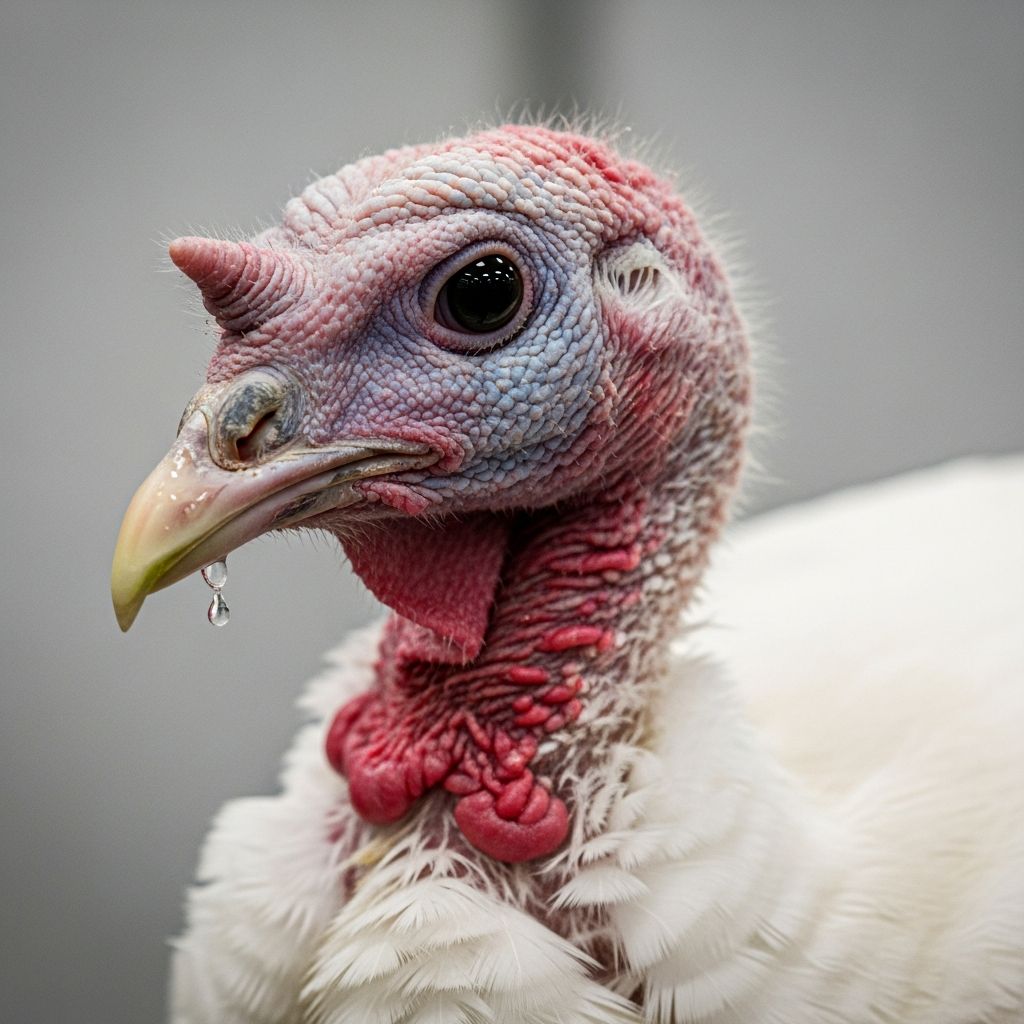
Coronaviral enteritis in turkeys, primarily caused by turkey coronavirus (TCoV), represents a significant enteric challenge in poultry production, particularly affecting young poults and leading to malabsorption and growth impairments.
Understanding the Viral Culprit Behind Turkey Enteritis
The primary pathogen responsible for this condition is turkey coronavirus, a member of the Coronaviridae family. This RNA virus targets the intestinal epithelium, disrupting nutrient absorption and triggering a cascade of digestive disturbances. Unlike more acute viral outbreaks, TCoV often contributes to chronic syndromes like poult enteritis and mortality syndrome (PEMS), where it interacts with other enteric agents to amplify disease severity.
TCoV strains exhibit genetic variability, with distinct genomic segments influencing pathogenicity. Research indicates that these viruses replicate primarily in the villus enterocytes of the small intestine, leading to villus atrophy and subsequent maldigestion. Field isolates from commercial turkey operations frequently harbor mutations that enhance fecal shedding, facilitating widespread transmission within flocks.
Transmission Dynamics in Turkey Flocks
Transmission occurs primarily through the fecal-oral route, with infected birds shedding high viral loads in droppings. Contaminated litter, water sources, and equipment serve as key vectors, allowing rapid spread in densely housed poults. Vertical transmission via breeder hens has been implicated, where hens asymptomatically carry the virus, passing it to progeny through eggs or early-life exposure.
- Fecal shedding peaks during acute infection, persisting subclinically in recovered birds.
- Environmental persistence: TCoV survives in cool, moist conditions, complicating biosecurity efforts.
- Wild bird reservoirs: Though less documented in turkeys, coroviruses in related species may introduce novel strains.
Outbreaks often coincide with stressors like overcrowding, temperature fluctuations, or co-infections, underscoring the role of management in disease escalation.
Clinical Manifestations and Flock Impact
Affected turkey poults typically present between 1-4 weeks of age with watery diarrhea, dehydration, and retarded growth. Unlike bacterial enteritis, bloody stools are rare, but yellow, frothy droppings predominate. Birds appear depressed, with ruffled feathers and huddling behavior signaling systemic involvement.
| Age Group | Primary Signs | Flock-Level Effects |
|---|---|---|
| 0-2 weeks | Watery diarrhea, wet vents | High morbidity (up to 50%), low mortality |
| 3-6 weeks | Growth lag, poor feed efficiency | Reduced weight gain, uneven flock uniformity |
| Adults | Subclinical shedding | Vertical transmission risk to poults |
Economic losses stem from increased mortality (5-20% in severe cases), elevated feed conversion ratios, and prolonged grow-out periods. In multi-age operations, persistent shedding perpetuates cycles of reinfection.
Pathological Changes in Infected Turkeys
Gross necropsy reveals a dilated, fluid-filled intestine with thin, transparent walls. The small intestine appears pale and atrophied, with shortened villi confirmed histologically. Lymphoid depletion in the bursa of Fabricius and spleen is common, impairing immune competence and predisposing to secondary invaders like E. coli or reoviruses.
Microscopic findings include coronaviral particles in enterocytes, syncytial cell formation, and lymphocytic infiltration. Liver involvement may show mild hepatitis, but the gut remains the primary target. These lesions mirror those in related enteric coronaviruses, aiding differential diagnosis.
Laboratory Confirmation and Differential Diagnosis
Definitive diagnosis relies on molecular techniques like RT-PCR targeting the TCoV spike gene, offering high sensitivity from cloacal swabs or intestinal samples. Electron microscopy visualizes characteristic crown-like spikes, while immunofluorescence detects viral antigens in tissues.
Differentiate from rotavirus (thicker diarrhea, inclusion bodies), astrovirus (runting-stunting syndrome), or bacterial causes (e.g., Salmonella, blood-tinged feces). Necropsy panels including histopathology and virus isolation are standard.
- RT-PCR: Gold standard, detects <10^3 viral particles.
- ELISA: Screens for antibodies in breeders.
- Exclusion of coinfections: Culture for bacteria, PCR panel for mixed viruses.
Prevention Strategies for Turkey Producers
Biosecurity forms the cornerstone: all-in-all-out production, footbath protocols, and rodent control minimize introduction. Avoid mixing age groups to curb vertical spread from breeders.
Vaccination remains limited; inactivated breeder vaccines reduce poult infection rates, though not universally available. Probiotics and prebiotics support gut microbiota, mitigating viral impact.
Management and Treatment Approaches
No antivirals exist; supportive care includes electrolytes in water to combat dehydration and antibiotics for secondary bacteria. Nutritional adjustments—low-protein starter feeds—alleviate intestinal burden during outbreaks.
In severe cases, depopulation of affected pens followed by thorough disinfection with virucidal agents (e.g., potassium peroxymonosulfate) halts spread. Research validates these compounds against coronaviruses.
Emerging Research and Future Directions
Ongoing studies explore TCoV genomics for vaccine development, with recombinant spike proteins showing promise in challenge trials. Metagenomic sequencing reveals coinfections driving PEMS, advocating holistic control.
Climate-resilient housing and precision feeding emerge as tools to bolster resilience against enteric viruses.
Frequently Asked Questions (FAQs)
What causes coronavirus enteritis in turkeys?
Turkey coronavirus (TCoV) infects intestinal cells, causing malabsorption and diarrhea, often in young poults.
Can adult turkeys spread the virus?
Yes, subclinical carriers shed virus in feces, transmitting to offspring.
How do I prevent outbreaks?
Implement strict biosecurity, vaccinate breeders, and use all-in-all-out systems.
Is there a treatment for infected poults?
Supportive therapy with fluids and electrolytes; no specific antiviral.
What’s the economic impact?
Losses from poor growth and mortality can exceed 10-15% of flock value.
Key Takeaways for Poultry Health
- Prioritize early detection via monitoring litter moisture and poult growth.
- Integrate multi-valent diagnostics for accurate etiology.
- Leverage biosecurity to break transmission chains.
References
- Duck Viral Enteritis – Poultry – MSD Veterinary Manual — MSD Veterinary Manual. 2023. https://www.msdvetmanual.com/poultry/duck-viral-enteritis/duck-viral-enteritis
- Viral Diseases of Poultry: the Tip of the Iceberg — The Poultry Site. 2022. https://www.thepoultrysite.com/articles/viral-diseases-of-poultry-the-tip-of-the-iceberg
- Diarrhea in Chicken- 5 Major Causes & Its Effective Treatments — Glamac. 2024. https://www.glamac.com/blog/no-more-fowl-play-navigating-the-causes-and-treatment-of-diarrhoea-in-poultry/
- Enteritis – PMC — National Center for Biotechnology Information. 2020-04-07. https://pmc.ncbi.nlm.nih.gov/articles/PMC7152381/
- Overview of Viral Enteritis in Poultry – Merck Veterinary Manual — Merck Veterinary Manual. 2025. https://www.merckvetmanual.com/poultry/viral-enteritis-in-poultry/overview-of-viral-enteritis-in-poultry
Similar Articles








Read full bio of medha deb


