

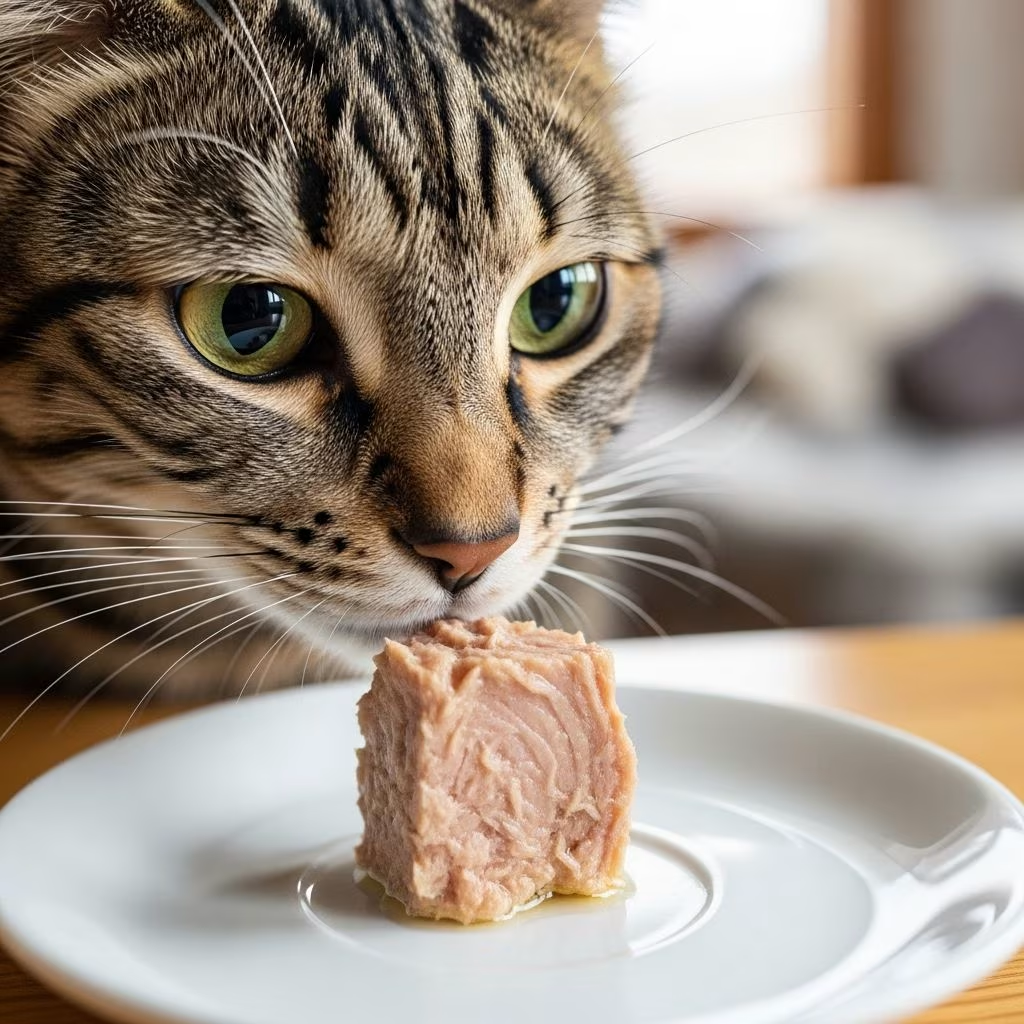
Cats often go wild for tuna, but while it offers some nutritional appeal, it’s not ideal as a regular meal. As obligate carnivores, felines thrive on protein-rich diets, and tuna fits that profile—yet overreliance can lead to serious health issues like mercury buildup and vitamin shortages. This guide breaks down the pros, cons, preparation tips, and feeding strategies to keep your cat healthy.
Why Cats Love Tuna and What It Brings Nutritionally
Tuna’s allure stems from its strong scent and texture, making it a go-to for picky eaters or medicating pets. Beyond palatability, it packs real value for feline health when used sparingly.
- High-Quality Protein: Essential for muscle repair and energy, tuna provides lean protein that matches cats’ carnivorous needs.
- Omega-3 Fatty Acids: EPA and DHA support shiny coats, reduce inflammation, and aid heart and kidney function.
- Low Carbs: Cats process carbs poorly; tuna’s minimal content helps avoid obesity and diabetes risks.
- Vitamins and Minerals: Includes B12, niacin, selenium, and vitamin D for nerve health, metabolism, and bone support.
These elements make tuna a motivating treat, but it lacks the full spectrum of a complete cat food formula.
Hidden Dangers: Health Risks of Too Much Tuna
Moderation is key—excess tuna disrupts balance. Key concerns include:
- Mercury Accumulation: Larger tuna species bioaccumulate mercury, potentially harming the nervous system. Opt for low-mercury types to minimize irreversible damage.
- Nutritional Gaps: Missing taurine, calcium, and other essentials can cause deficiencies, malnutrition, or organ strain over time.
- Pansteatitis (Yellow Fat Disease): Imbalanced fats relative to vitamin E inflame fatty tissues, leading to pain, fever, obesity, and lethargy.
- Thiamine Breakdown: Raw tuna’s thiaminase enzyme destroys this vital B-vitamin, risking neurological issues and heart problems.
- Vitamin K Shortfall: Heavy reliance may trigger bleeding disorders due to inadequate clotting factors.
Tuna addiction is another pitfall; cats may refuse balanced kibble, worsening imbalances.
Choosing the Right Tuna: Types and Preparation Essentials
Not all tuna suits cats. Prioritize safety with these guidelines:
| Tuna Type | Mercury Level | Best For Cats? | Notes |
|---|---|---|---|
| Skipjack/Light | Low (0.13 ppm) | Yes | Safest choice; smaller fish. |
| Albacore/White | Higher (0.35 ppm) | Limited | Avoid frequent use. |
| Yellowfin | Moderate-High | No | Larger species; higher risk. |
Preparation Rules:
- Cook thoroughly—raw harbors bacteria and thiaminase.
- Pack in water, no oil, salt, or spices.
- Fresh: Plain, steamed or baked.
- Avoid human-grade flavored varieties.
Safe Feeding Guidelines: Portions and Frequency
Limit tuna to under 10% of daily calories—about a teaspoon for average cats, 1-2 times weekly max. Rotate proteins (chicken, beef, fish) for variety and balance.
- Portion Control: Start small; observe for allergies or digestive upset.
- Integration: Mix into regular food or use as toppers.
- Monitoring: Watch for symptoms like vomiting, lethargy, or coat dullness—consult a vet if seen.
Pregnant, nursing, or kitten cats need extra caution; stick to vet-approved foods.
Tuna in Commercial Cat Foods: Quality Matters
Pet-formulated tuna foods mitigate risks via balancing and testing. Look for AAFCO-compliant labels ensuring complete nutrition. Brands rotate proteins to prevent sensitivities and boredom.
Benefits of quality tuna cat food:
- Controlled mercury via tested sources.
- Supplemented vitamins counter deficiencies.
- Hydration from wet formulas.
Human tuna lacks these safeguards—reserve for rare treats.
Alternatives to Tuna: Nutritious Treat Options
Diversify with safer proteins:
- Chicken or turkey (cooked, unseasoned).
- Salmon (low-mercury, omega-rich—but limit).
- Commercial treats with novel proteins.
- Freeze-dried meats for training.
These maintain excitement without tuna’s pitfalls.
FAQs: Common Questions on Cats and Tuna
Can cats eat canned tuna daily?
No—daily feeding risks mercury toxicity and malnutrition. Reserve for occasional use.
Is raw tuna safe for cats?
No; bacteria and thiaminase pose serious threats. Always cook it.
What about tuna steaks for cats?
Small, cooked, plain portions okay rarely—but not whole steaks.
Does tuna cause allergies in cats?
Rare, but watch for itching, diarrhea. Introduce gradually.
Can tuna help picky eaters?
Yes, as a transition tool—but wean off to balanced diet.
Expert Tips for Long-Term Feline Health
Consult vets for personalized advice, especially with health conditions. Annual bloodwork detects early mercury or deficiency issues. Prioritize hydration, exercise, and complete foods for thriving cats.
In summary, tuna delights but demands restraint. Balance enjoyment with safety for a happy, healthy companion.
References
- FDA Mercury Levels in Commercial Fish and Shellfish (1990-2012) — U.S. Food and Drug Administration. 2022-10-27. https://www.fda.gov/food/metals-and-your-food/mercury-levels-commercial-fish-and-shellfish-1990-2012
- Thiamine Deficiency in Cats — Merck Veterinary Manual. 2024-05-15. https://www.merckvetmanual.com/cat-owners/disorders-affecting-multiple-body-systems-of-cats/thiamine-deficiency-in-cats
- Nutritional Requirements of Cats — National Research Council (NRC), via National Academies Press. 2023-08-01. https://nap.nationalacademies.org/catalog/10658/nutrient-requirements-of-dogs-and-cats
- Pansteatitis in Cats — American College of Veterinary Internal Medicine. 2025-01-10. https://acvim.org/resources/client-education/feline-pansteatitis
- Omega-3 Fatty Acids in Feline Nutrition — Journal of Feline Medicine and Surgery (PubMed). 2024-03-20. https://pubmed.ncbi.nlm.nih.gov/38478901/



