

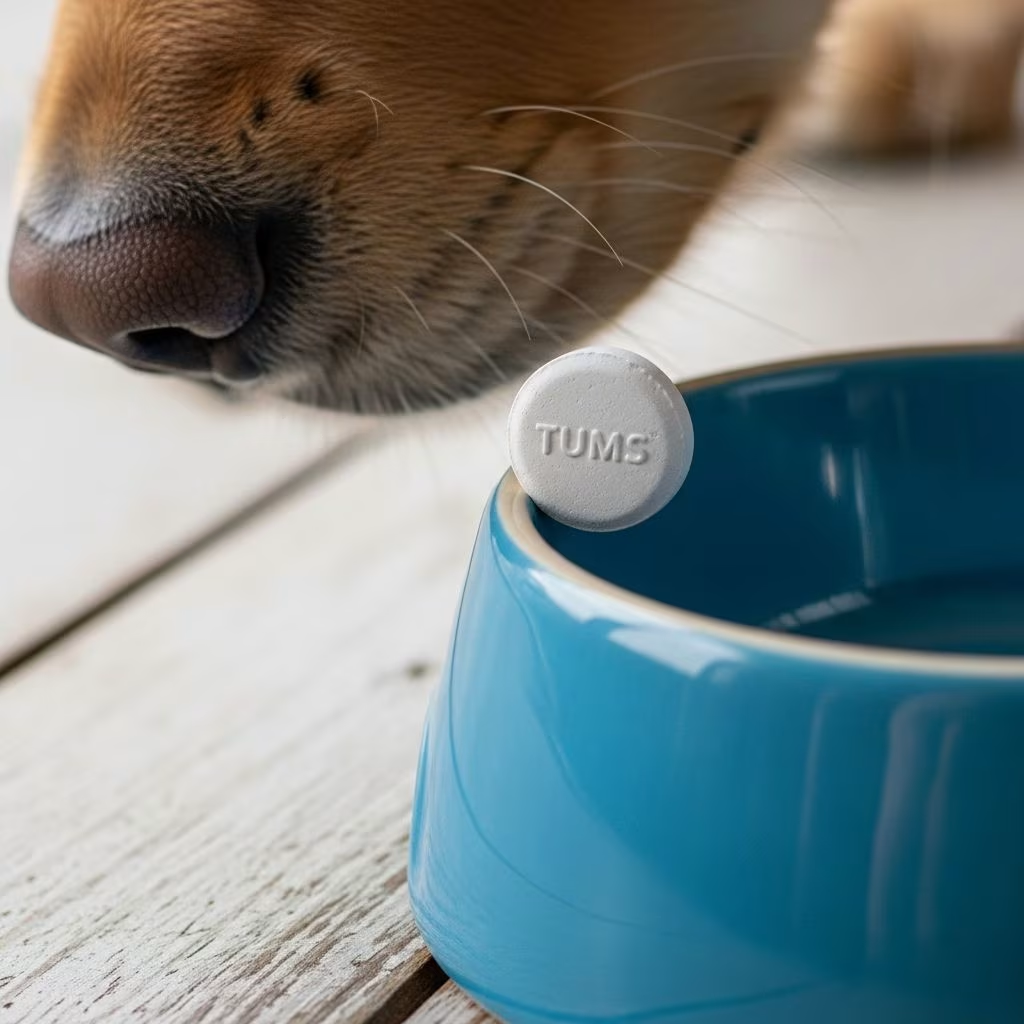
Pet owners frequently encounter situations where their dogs experience digestive discomfort, prompting them to seek quick remedies from their home medicine cabinets. One common over-the-counter product that comes to mind is Tums, a widely available antacid containing calcium carbonate. However, the question of whether this human medication can safely be given to dogs requires careful consideration of several factors, including your dog’s age, health status, and the underlying cause of their gastrointestinal symptoms.
Understanding the Active Ingredient: Calcium Carbonate
The primary component in Tums is calcium carbonate, a mineral salt that occurs naturally in numerous sources including limestone, eggshells, oyster shells, and various leafy green vegetables. This ingredient serves multiple purposes in human medicine, functioning as an antacid to neutralize stomach acid, alleviating heartburn symptoms, and providing dietary calcium supplementation. Understanding this ingredient’s mechanism is fundamental to determining its appropriateness for canine use.
Calcium carbonate operates by neutralizing excess stomach acid and has been explored for various therapeutic applications in veterinary medicine. Beyond simple acid reduction, this compound has demonstrated usefulness in specific clinical scenarios affecting dogs, which we’ll explore in detail throughout this guide.
Can Dogs Safely Consume Tums?
The straightforward answer is that calcium carbonate is generally considered non-toxic and safe for dogs when administered in appropriate quantities on a short-term basis. Most healthy dogs do not experience severe negative side effects from small, appropriately-dosed amounts of Tums. However, the permissibility of administration does not automatically make it the optimal choice for treating canine digestive issues.
The distinction between something being safe and something being recommended is crucial in veterinary medicine. While Tums may be tolerable for dogs, they are not specifically formulated for canine digestive systems and are typically not the first-line treatment recommended by veterinarians for most gastrointestinal complaints.
Legitimate Medical Applications for Calcium Carbonate in Dogs
Despite not being FDA-approved specifically for canine use, veterinarians may prescribe calcium carbonate off-label for dogs in certain medical circumstances where the benefits justify its application.
Post-Whelping Calcium Supplementation
One of the most common veterinary applications of Tums in dogs involves supporting lactating female dogs. Calcium carbonate supplementation after whelping helps maintain healthy blood calcium levels during the demanding period of milk production. During lactation, female dogs experience significant calcium depletion, and appropriate supplementation can prevent serious complications. Importantly, Tums should never be given during pregnancy or immediately before whelping, as this timing can lead to dangerous hypocalcemia or complications during the birthing process.
Managing Elevated Phosphorus in Kidney Disease
Dogs suffering from kidney disease often experience elevated blood phosphorus levels, which can accelerate kidney deterioration and cause additional health complications. Calcium carbonate functions as a phosphorus binder, attaching to excess phosphorus in the intestines and facilitating its elimination through feces rather than allowing absorption into the bloodstream. Veterinarians may recommend Tums as a cost-effective alternative to specialized prescription phosphorus binders, though such use requires careful veterinary supervision and exact adherence to dosing instructions.
Addressing Low Blood Calcium
Dogs with genuinely low blood calcium levels—a condition that may occur in pregnant dogs, lactating dogs, or those with low-functioning parathyroid glands—may benefit from calcium carbonate supplementation. This application represents one of the more straightforward therapeutic uses of the compound.
Important Safety Precautions and Contraindications
Before administering Tums to your dog, several critical safety considerations warrant your attention.
Xylitol Contamination Risk
One of the most serious concerns involves certain sugar-free formulations. Some sugar-free calcium carbonate products contain xylitol, an artificial sweetener that is extremely toxic to dogs. Xylitol ingestion can cause severe hypoglycemia and liver damage. While most common Tums varieties—including regular, extra-strength, ultra-strength, and many sugar-free formulations—do not contain xylitol, you must meticulously examine product labels before administration. If you choose a sugar-free option, verify the sweetening agent is dextrose (safe for dogs) rather than xylitol (dangerous for dogs).
Age-Related Considerations
Never administer Tums to puppies or young dogs that are still experiencing skeletal growth. In large and giant breed dogs, this growth period can extend beyond two years of age. Calcium carbonate can alter blood calcium levels in growing dogs, potentially disrupting normal skeletal development and causing long-term orthopedic problems. This consideration represents an absolute contraindication rather than a mere precaution.
Colored Formulations and Food Dyes
Some dogs may develop allergic reactions to artificial food dyes found in colored Tums products. These dyes are typically designated with the designation ‘FD&C’ on ingredient labels. Selecting white or unflavored Tums eliminates this potential concern while maintaining the same therapeutic ingredient.
Duration of Use
Tums should be used only on a short-term basis, typically for one to two days maximum. Extended use can lead to mineral imbalances and potentially elevated blood calcium levels, even in otherwise healthy dogs. Long-term use without veterinary supervision risks exacerbating certain health conditions, particularly kidney disease.
Potential Side Effects and Toxicity Concerns
When dogs consume excessive quantities of Tums—either through a single large dose or through inappropriate long-term supplementation—several adverse effects may occur.
| Potential Side Effect | Severity Level | When It May Occur |
|---|---|---|
| Diarrhea or constipation | Mild to Moderate | With excessive doses or prolonged use |
| Vomiting | Mild to Moderate | Overdose situations |
| Electrolyte imbalances | Moderate to Severe | Chronic overuse |
| Elevated blood calcium (hypercalcemia) | Moderate to Severe | Long-term use or excessive doses |
| Tremors or neurological signs | Severe | Significant overdose |
| Difficulty breathing or collapse | Severe | Severe toxicity |
In most cases where dogs consume more Tums than appropriate, the outcome is not lethal but can produce significant discomfort. However, dogs with pre-existing high blood calcium levels (hypercalcemia) face particular risk, as additional calcium supplementation could prove harmful. Additionally, calcium carbonate can interfere with the absorption of certain medications, potentially reducing their effectiveness.
Drug Interactions and Medical Considerations
Calcium carbonate does not exist in isolation within the body; it interacts with various physiological systems and can affect medication absorption. Dogs receiving multiple medications should not be given Tums without explicit veterinary approval. This is particularly important for dogs with chronic health conditions requiring ongoing pharmaceutical management.
The interference with medication absorption represents a significant concern that extends beyond simple digestive upset. Some medications require careful timing relative to calcium administration to maintain therapeutic effectiveness.
When Tums Might Be Considered During Emergency Situations
One emerging consideration involves potential use during suspected grape or raisin toxicity exposure. Calcium carbonate may theoretically reduce absorption of tartaric acid (a compound in grapes and raisins) by forming calcium tartrate, which is less bioavailable. However, it’s crucial to note that no clinical or prospective data currently demonstrates that Tums actually reduces kidney injury in dogs exposed to grapes. If Tums administration is considered in this scenario, it should only occur during transport to a veterinary clinic and should absolutely not replace standard emergency protocols including induced vomiting, intravenous fluids, and laboratory work.
Alternative Approaches to Canine Digestive Upset
Tums are typically not the first-line recommendation for dogs experiencing general digestive upset. Veterinarians often prefer alternative approaches that may include prescription medications specifically formulated for canine gastrointestinal health, dietary modifications, or identification and treatment of underlying causes. Reaching for Tums may mask symptoms of serious medical conditions requiring professional intervention, potentially delaying appropriate treatment.
Essential Guidance for Pet Owners
If you’re considering administering Tums to your dog, several critical steps should guide your decision-making process:
- Consult your veterinarian first—Never give Tums without professional approval, particularly if your dog has underlying health conditions
- Read product labels carefully—Verify the absence of xylitol and review all ingredients for potential allergens
- Confirm your dog’s age—Ensure your dog has completed skeletal growth, particularly if a large or giant breed
- Limit duration strictly—Never exceed one to two days of use without explicit veterinary guidance
- Monitor for adverse reactions—Watch for unusual symptoms and contact your veterinarian immediately if concerning signs develop
- Understand it’s not a substitute for professional care—Tums may provide temporary relief but cannot address underlying medical issues requiring veterinary diagnosis and treatment
When Professional Evaluation Becomes Necessary
If your dog experiences persistent digestive upset, vomiting, diarrhea, or other gastrointestinal symptoms lasting more than a day or two, professional veterinary evaluation is essential. Your veterinarian can identify underlying causes—ranging from dietary indiscretion to serious infections or systemic diseases—and recommend appropriate treatment protocols.
The Bottom Line on Tums for Dogs
Tums can be administered to otherwise healthy adult dogs in appropriate quantities on a short-term basis, but they are not a recommended first-line treatment for most canine digestive complaints. While calcium carbonate itself is generally safe when used appropriately, the product formulation, potential for misuse, and risk of masking serious medical conditions make professional veterinary guidance essential before administration. Your veterinarian can assess your individual dog’s health status, medications, and specific circumstances to determine whether Tums are appropriate or whether alternative interventions would better serve your dog’s needs.
References
- Could Tums Help Dogs With Grape Toxicity? — IndeVets. 2024. https://indevets.com/blog/can-tums-help-dogs-grape-toxicity/
- Can Dogs Have Tums? — Great Pet Care. https://www.greatpetcare.com/pet-medication/can-dogs-have-tums/
- Can You Give Dogs Tums? How to Relieve Stomach Aches — Kinship. https://www.kinship.com/dog-health/can-you-give-dogs-tums
- Can Dogs Have Tums? — Whole Dog Journal. https://www.whole-dog-journal.com/health/digestion/can-dogs-have-tums/



