Tumors In Reptiles: Veterinary Guide To Diagnosis, Care
Comprehensive guide to neoplastic conditions in reptiles, covering detection, species variations, and management strategies for exotic pet owners and vets.
Neoplastic conditions, commonly known as tumors, have become more frequently recognized in captive reptiles, challenging the long-held view that such diseases are rare in these animals. Advances in veterinary diagnostics and longer lifespans in captivity have revealed a broader spectrum of cancers affecting various reptile species. This article delves into the epidemiology, clinical presentations, diagnostic strategies, and management options for tumors in reptiles, with a particular focus on lizards, snakes, and chelonians.
Understanding Neoplasia in Captive Reptiles
Reptiles in captivity often live longer than their wild counterparts, allowing age-related diseases like neoplasia to manifest. Historical data suggested tumors were uncommon, but recent retrospective analyses indicate otherwise. For instance, in a study of over 690 lizard samples submitted for pathological examination over a decade, 22.9% yielded neoplastic diagnoses, highlighting a significant prevalence. This shift underscores the need for reptile veterinarians to include cancer in differential diagnoses for nonspecific symptoms such as lethargy, weight loss, or organ enlargement.
Factors contributing to increased neoplasia may include genetic predispositions, environmental influences like UV lighting, diet, and husbandry practices. Captive environments, while protective, might introduce stressors or carcinogens absent in the wild. Species-specific variations are notable; certain lizards show higher incidences, pointing to inherent susceptibilities or management differences.
Common Tumor Types Across Reptile Groups
Tumors in reptiles span epithelial, mesenchymal, and hematopoietic origins, affecting multiple organs. Skin neoplasms dominate reports, particularly in lizards, followed by integumentary and coelomic masses. Understanding these patterns aids in targeted health monitoring.
- Skin and Integumentary Tumors: These are the most prevalent, comprising a large portion of cases. Squamous cell carcinomas (SCC) lead, often linked to chronic UV overexposure in captivity.
- Renal and Hepatic Neoplasms: Kidneys and liver frequently harbor adenocarcinomas or adenomas, presenting with ascites or organomegaly.
- Gonadal and Reproductive Tumors: Common in females, including ovarian granulosa cell tumors and testicular Sertoli cell tumors in males.
- Hematopoietic and Lymphoid Cancers: Lymphomas and leukemias affect blood and lymphoid tissues, causing systemic illness.
- Gastrointestinal Neoplasms: Adenocarcinomas in the stomach or intestines lead to regurgitation or obstruction.
In lizards specifically, musculoskeletal tumors have emerged as significant, expanding beyond traditional hepatic or skin foci. Novel reports include splenic hemangiosarcomas and basal cell carcinomas, previously undocumented in these species.
Species-Specific Prevalence and Risks
Not all reptiles face equal threats from neoplasia. Lizards, particularly those in captivity, show marked differences by family and species.
| Species/Group | Neoplasia Prevalence | Common Tumor Sites | Notes |
|---|---|---|---|
| Bearded Dragons (Pogona vitticeps) | High | Skin (SCC), Liver, Kidneys | Statistically elevated risk; popular pets with long lifespans. |
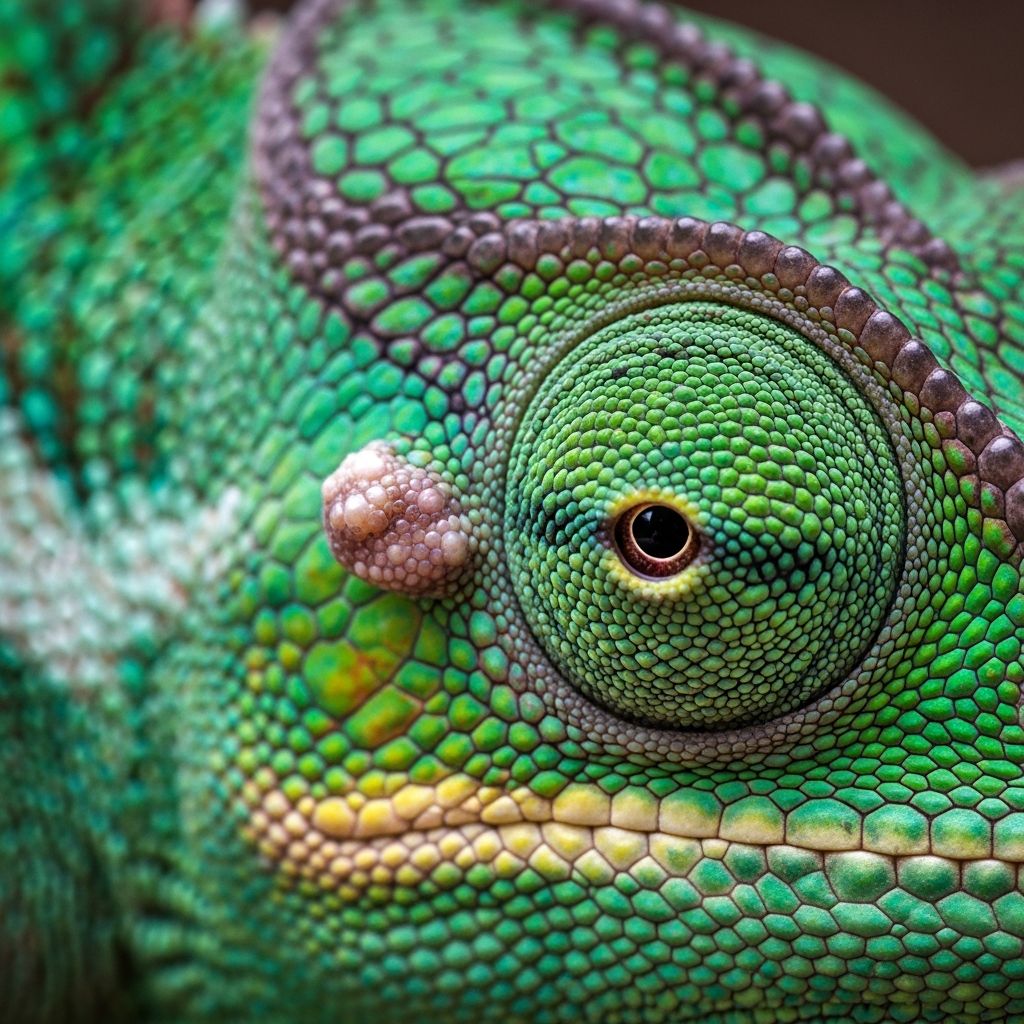
| Panther Chameleons (Furcifer pardalis) | High | Integument, Oral Cavity | UV exposure likely contributory. |
| Geckos (e.g., Leopard Geckos) | Low | Rarely reported | Lower diagnostic submissions may skew data. |
| Snakes (e.g., Ball Pythons) | Moderate | Reproductive, Renal | Inclusion body disease overlaps symptoms. |
| Chelonians (Tortoises/Turtles) | Variable | Skin, Shell, Bladder | Fibropapillomas in sea turtles virus-linked. |
Bearded dragons and panther chameleons exhibit statistically higher neoplasia rates compared to the broader lizard population, while geckos show lower proportions. These disparities may stem from genetic factors, husbandry variations, or submission biases in diagnostics.
Recognizing Clinical Signs of Reptile Tumors
Reptiles mask illness until advanced stages, complicating early detection. Owners should watch for:
- Visible lumps or swellings under the skin or in the mouth.
- Unexplained weight loss despite normal appetite.
- Lethargy, reduced basking, or hiding more than usual.
- Abnormal feces, regurgitation, or prolapses.
- Respiratory distress from coelomic masses.
- Organ-specific signs like shell deformities in chelonians.
Nonspecific presentations necessitate neoplasia as a key differential, especially in older captives. Routine physical exams, including oral inspections and coelomic palpation, are vital.
Diagnostic Approaches for Reptile Neoplasia
Confirming tumors requires a multimodal strategy. Initial steps include fine-needle aspiration (FNA) cytology for rapid cytological assessment, revealing malignant features like pleomorphism.
- Imaging: Radiography detects skeletal involvement or mineralization; ultrasonography evaluates soft tissue masses and organ architecture.
- Biopsy and Histopathology: Gold standard; excisional or incisional biopsies provide definitive typing.
- Bloodwork: Assesses anemia, hyperglobulinemia, or organ dysfunction.
- Advanced Techniques: Flow cytometry for lymphoid tumors; PCR for viral associations in chelonians.
Retrospective studies emphasize histopathology’s role, with specialists confirming diagnoses in most submissions. Early diagnostics improve prognostic accuracy.
Treatment Options and Prognoses
Therapy mirrors mammalian oncology but adapts to reptilian physiology, emphasizing surgery as primary intervention.
- Surgical Excision: Curative for localized, accessible tumors; wide margins essential for SCC.
- Chemotherapy: Limited protocols; drugs like carboplatin show promise in case reports, dosed via body surface area.
- Radiation: Rarely used due to equipment needs and reptilian sensitivity.
- Supportive Care: Fluid therapy, nutrition, and pain management extend quality of life.
Outcomes vary; benign tumors or early-stage malignancies offer better prognoses. In one review, surgical interventions yielded positive results in select cases. Palliative approaches suit inoperable or metastatic disease.
Preventive Strategies for Reptile Owners
While genetics play a role, husbandry optimizations reduce risks:
- Moderate UVB exposure with timers and bulb replacements.
- Balanced, varied diets avoiding excesses.
- Regular veterinary check-ups for aging pets.
- Quarantine new arrivals to prevent infectious mimics.
- Monitor enclosures for irritants or trauma sites prone to oncogenesis.
Research into environmental carcinogens continues, urging evidence-based care.
FAQs on Reptile Tumors
What causes tumors in pet reptiles?
Causes are multifactorial, including genetics, UV radiation, viral infections, and husbandry errors. Exact etiologies often remain unclear.
Can reptile tumors be cured?
Yes, many localized tumors respond to surgery. Metastatic cases focus on palliation.
Which reptiles are most prone to cancer?
Bearded dragons and chameleons show higher rates among lizards.
How do I know if my reptile has a tumor?
Look for lumps, weight loss, or behavioral changes; consult a vet for imaging and biopsy.
Is chemotherapy safe for reptiles?
Limited data exists, but adapted protocols can be effective with specialist oversight.
Neoplasia represents an evolving field in reptile medicine, demanding vigilance from owners and vets alike. As diagnostics advance, survival rates may improve, enhancing welfare for these unique pets.
References
- Retrospective review of neoplasms of captive lizards in the United Kingdom — Kubiak M, Denk D, Stidworthy MF. Veterinary Record. 2019-09-01. https://www.ovid.com/journals/tvre/fulltext/10.1136/vr.105308
- Neoplasia of reptiles with an emphasis on lizards — Hernandez-Divers SM, Garner MM. Veterinary Clinics of North America: Exotic Animal Practice. 2003-01. https://pubmed.ncbi.nlm.nih.gov/12616843/
- Oncology of reptiles: diseases, diagnosis, and treatment — CABI Digital Library. 2017. https://www.cabidigitallibrary.org/doi/full/10.5555/20173000332
- Diagnosis, surgical treatment and outcome of neoplastic disorders in reptiles — Ghent University Repository. 2023. https://biblio.ugent.be/publication/01J0RC5M5JS3T64YG35ECQFN3V
Similar Articles








Read full bio of medha deb