
Tumors In Pet Birds: 5 Signs, Treatments, And Care
Comprehensive guide to identifying, treating, and preventing cancerous growths in companion birds for better avian wellness.
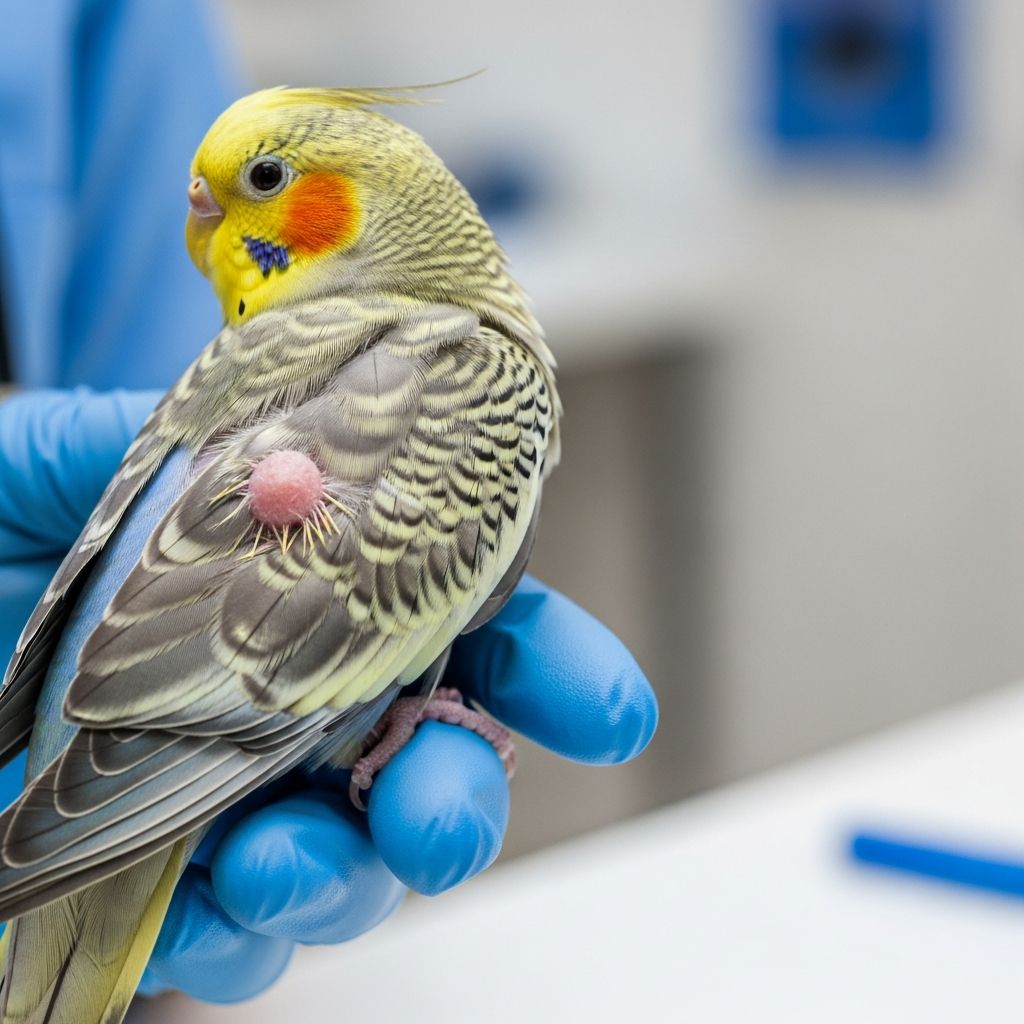
Companion birds, especially parrots and other psittacines, frequently develop tumors that can impact their quality of life if not addressed promptly. Understanding these growths, from benign lipomas to aggressive sarcomas, empowers owners and veterinarians to intervene effectively through surgery and supportive care.
Why Tumors Affect Pet Birds So Commonly
Pet birds face a higher incidence of neoplastic conditions compared to wild counterparts, largely due to extended lifespans in captivity, which heightens exposure to genetic and environmental risks. Inbred breeding practices common in the pet trade further elevate mutation risks, leading to abnormal cell growths. Studies from veterinary hospitals reveal that psittaciform birds, such as budgerigars and Amazon parrots, represent the majority of cases, with neoplasms confirmed in about 1.8% of avian patients presenting with suspicious masses.
Older birds are particularly vulnerable, as age-related cellular changes accumulate. Factors like poor diet, chronic stress, and limited exercise may contribute, though direct causation remains under study. Proactive monitoring during routine check-ups can catch these issues early, improving outcomes.
Recognizing the Most Frequent Tumor Types
Neoplasms in pet birds vary widely, but certain types dominate clinical reports. Benign and malignant growths alike often manifest as visible lumps, behavioral shifts, or organ dysfunction.
- Lipomas: Fatty tumors, the most common in parrots like the blue-fronted Amazon, typically appear as soft, movable masses under the skin, especially near the cloaca or sternum.
- Fibrosarcomas: Aggressive connective tissue cancers prevalent in budgerigars, often on limbs or skin, known for local invasion but rare metastasis.
- Hemangiosarcomas: Vascular tumors linked to cockatiels, growing rapidly and causing bleeding or weakness.
- Lymphomas: Lymphatic system involvements common in Amazon species, leading to organ enlargement.
- Adenocarcinomas and others: Reproductive or glandular origins, affecting multiple systems.
Of diagnosed cases, roughly 44% are malignant, 38% benign, and 19% potentially malignant, highlighting the spectrum from curable to life-threatening.
Common Sites Where Tumors Develop
Tumors target specific body regions, influencing symptoms and treatment approaches. The integumentary system bears the brunt, with 40% of neoplasms originating in skin or subcutaneous tissues, particularly around the cloaca in parrots.
| Body System | Prevalence (%) | Common Tumors | Typical Species |
|---|---|---|---|
| Integumentary | 40% | Lipomas, Fibrosarcomas, Hemangiosarcomas | Budgerigars, Amazons |
| Reproductive | 22% | Adenocarcinomas, Seminomas | Cockatiels, Parrots |
| Digestive | 15% | Adenomas, Carcinomas | Psittacines |
| Other (Kidney, Liver) | 23% | Lymphomas, Osteosarcomas | Various |
Legs, wings, and the ventral abdomen are hotspots for fibrosarcomas, while internal tumors may cause weight loss or lethargy before external signs appear.
Signs Owners Should Watch For
Early detection hinges on observing subtle changes. External masses are obvious—firm or soft swellings that grow over weeks. Internal tumors present indirectly:
- Appetite loss or unexplained weight reduction.
- Lethargy, ruffled feathers, or imbalance.
- Respiratory distress from air sac involvement.
- Bleeding, bruising, or anemia from vascular tumors.
- Reproductive issues like egg-binding in females.
Budgerigars often show skin nodules early, while larger parrots may hide symptoms longer due to their robust nature. Annual exams with imaging aid in spotting occult growths.
Diagnostic Approaches for Accurate Identification
Veterinarians employ a multi-step process to confirm neoplasms. Initial physical exams assess mass characteristics—size, mobility, ulceration. Fine-needle aspirates provide cytology, though biopsies yield definitive histopathology.
Advanced tools include:
- Radiographs and ultrasound for internal mapping.
- CT scans in specialized centers for precise staging.
- Bloodwork to check organ function and detect leukemia markers.
Retrospective analyses stress histopathology’s role, classifying 32% of suspected cases as true neoplasms.
Surgical Interventions: The Primary Treatment
Surgery remains the gold standard for resectable tumors, aiming for complete removal. In one study of 19 psittacines, tumor excision resolved 80% of cases with minimal recurrence.
Procedures include:
- Excisional biopsy: Full mass removal for diagnostics and cure.
- Debulking: Partial removal for inoperable growths to alleviate symptoms.
- Amputation: For limb sarcomas, with good post-op adaptation.
Anesthesia protocols tailored for birds minimize risks, with pericloacal lipomas showing excellent prognosis—high success, low regrowth.
Adjunct Therapies and Palliative Options
When surgery isn’t feasible, alternatives support management. Chemotherapy agents like doxorubicin target systemic cancers, though avian dosing is experimental. Radiotherapy and cryotherapy show promise for localized issues, per case reports.
Palliative care focuses on pain relief, nutrition, and habitat adjustments. Owners can enhance recovery with high-quality diets rich in antioxidants to bolster immunity.
Prognosis Factors and Long-Term Outlook
Outcomes vary by tumor type, location, and bird health. Benign lipomas boast 90%+ cure rates post-surgery, while sarcomas carry guarded prognoses due to invasion. Early intervention boosts survival; delayed cases often lead to euthanasia.
Species matters—Amazons tolerate surgery well, budgerigars face higher complication risks from size. Regular follow-ups monitor for metastasis, rare but possible in advanced malignancies.
Prevention Strategies for Healthier Flocks
While genetics can’t be altered, lifestyle tweaks reduce risks:
- Balanced nutrition avoiding obesity, a lipoma trigger.
- Enrichment to curb stress-induced immune suppression.
- Avoidance of environmental toxins like Teflon fumes.
- Genetic diversity in breeding stock.
Veterinary wellness plans with annual oncology screens for seniors are advisable.
FAQs on Pet Bird Tumors
Q: Are all bird lumps cancerous?
A: No, many are benign like lipomas; biopsy confirms.
Q: Can my parrot survive tumor surgery?
A: Yes, with 80% success in resectable cases, especially psittacines.
Q: What diet helps prevent tumors?
A: Antioxidant-rich pellets and veggies support immunity.
Q: How often should I check for masses?
A: Weekly self-exams plus vet visits twice yearly for seniors.
Q: Do wild birds get tumors too?
A: Less commonly, due to shorter lifespans.
Case Studies Highlighting Success
In a Brazilian referral center, blue-fronted parrots with pericloacal lipomas underwent resection, achieving full recovery in most. Mexican data on 44 birds showed integumentary tumors responding best to excision, underscoring surgical efficacy across regions.
References
- Prevalence of Neoplastic Diseases in Pet Birds Referred for Surgical Procedures — PMC/NCBI. 2016-03-17. https://pmc.ncbi.nlm.nih.gov/articles/PMC4770162/
- Prevalence of Neoplastic Diseases in Pet Birds Referred for Surgical Procedures — PubMed. 2016-04-01. https://pubmed.ncbi.nlm.nih.gov/26981315/
- A retrospective study of neoplasms in ornamental and pet birds — Brazilian Journal of Veterinary Pathology. 2020-03. https://bjvp.org.br/wp-content/uploads/2020/03/v13-n1-1.pdf
- Prevalence of Neoplastic Diseases in Pet Birds (Journal Club) — ABVP. 2021-01. https://abvp.com/wp-content/uploads/2021/01/2021.01AvianJC.pdf
- Overview of Tumors – Clinical Avian Medicine — Harrison’s Bird Foods. 2024-02-20. https://www.harrisonsbirdfoods.com/wp-content/uploads/2024/02/20_tumors.pdf
- Part IV: Classification of Malignant Tumors in Birds — IVIS. N/A. https://www.ivis.org/library/avian-health-and-disease/part-iv-classification-of-malignant-tumors-birds
Similar Articles








Read full bio of medha deb


