Tumors In Ferrets: 5 Early Warning Signs, Diagnosis & Care
Comprehensive guide to recognizing, diagnosing, and managing common tumors in pet ferrets for better outcomes and quality of life.
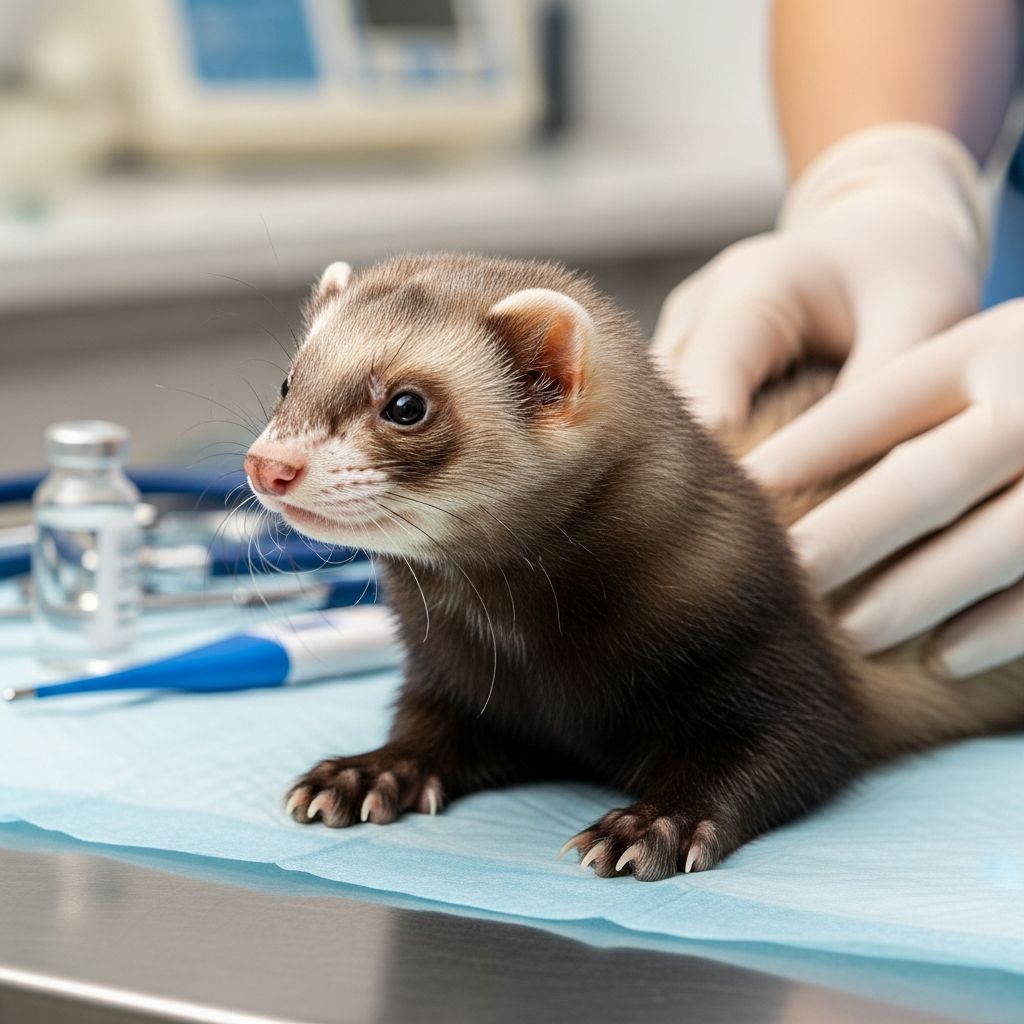
Pet ferrets, beloved for their playful energy and inquisitive nature, face significant health risks from various tumors as they age. Neoplastic conditions rank among the leading causes of illness in these animals, particularly those over three years old. Understanding the types, manifestations, and intervention strategies is crucial for owners and veterinarians aiming to extend these pets’ lives and maintain their vitality.
Prevalent Neoplastic Conditions in Ferrets
Ferrets commonly develop endocrine-related tumors, which disrupt hormonal balance and lead to systemic effects. Insulinomas, originating from pancreatic beta cells, cause excessive insulin production, resulting in hypoglycemia. Owners often notice intermittent weakness, lethargy, and seizures, especially after fasting or exercise. Adrenocortical tumors or hyperplasias affect the adrenal glands, producing elevated sex hormones that trigger hair loss, enlarged vulva in females, and aggression.
Lymphomas, malignancies of the lymphatic system, present with generalized signs like weight loss, anorexia, and splenomegaly. These can infiltrate multiple organs, including the mediastinum, causing respiratory distress. Cutaneous tumors, such as mast cell tumors and basal cell tumors, appear as raised nodules, often on the head, neck, or trunk, sometimes ulcerated or alopecic. Less frequent are gastrointestinal, splenic, and reproductive tract neoplasms, which may cause vague symptoms like vomiting or abdominal distension.
Recognizing Early Warning Signs
Early detection hinges on vigilance for subtle changes. For
endocrine tumors
, ferrets may exhibit episodic hindlimb weakness, drooling, or a ‘starry-eyed’ appearance due to low blood sugar from insulinomas. Adrenal issues manifest as symmetrical hair loss starting from the tail and progressing dorsally, pruritus, and urinary incontinence. Lymphoma signals include palpable peripheral lymphadenopathy, fever, and pale mucous membranes from anemia.- Intermittent collapse or tremors, particularly post-exertion
- Progressive bilateral alopecia without pruritus
- Unexplained weight loss despite normal appetite
- Lethargy, reduced playfulness, or hiding
- Enlarged abdomen or visible masses under the skin
Skin tumors might bleed if traumatized, while oral lesions cause excessive salivation or difficulty eating. Owners should monitor ferrets closely, as nonspecific signs overlap with infections or metabolic diseases.
Diagnostic Approaches for Accurate Identification
Veterinarians employ a multimodal strategy to confirm neoplasia. Initial bloodwork reveals hypoglycemia (<60 mg/dL) and elevated insulin for insulinomas, alongside liver enzyme elevations. Adrenal panels measure androgens, estrogens, and corticosterone levels. Complete blood counts often show lymphocytosis or anemia in lymphoma cases.
Imaging is pivotal: abdominal ultrasound detects pancreatic nodules, adrenal enlargement (often >0.5 cm), or splenic masses. Radiographs identify mediastinal widening from thymic lymphoma. Fine-needle aspirates provide cytology, though histopathology from biopsies offers definitive diagnosis, distinguishing hyperplasia from adenocarcinoma. Advanced techniques like CT scans aid in CNS tumor evaluation, where MRI reveals mass effects causing neurological deficits.
| Tumor Type | Key Diagnostic Tests | Typical Findings |
|---|---|---|
| Insulinoma | Blood glucose/insulin, ultrasound | Hypoglycemia with high insulin; pancreatic nodules |
| Adrenal Neoplasia | Hormone panel, ultrasound | Elevated sex hormones; unilateral/bilateral masses |
| Lymphoma | CBC, cytology, chest x-rays | Lymphocytosis; mediastinal mass |
| Cutaneous Tumors | Fine-needle aspirate, biopsy | Mast cells or basaloid cells |
Therapeutic Interventions: Surgery, Medications, and Beyond
Treatment selection depends on tumor type, location, ferret’s age, and owner commitment. Surgical excision remains the gold standard for localized masses. For insulinomas, partial pancreatectomy removes visible nodules, providing 12-18 months of remission in many cases. Adrenalectomy, challenging on the right due to vena cava proximity, uses laparoscopy or laser for precision, yielding high success rates. Skin tumors like adenomas or mast cell variants are readily excised, with wide margins preventing recurrence.
Medical management suits inoperable or metastatic cases. Prednisone (1-2 mg/kg PO daily) palliates lymphoma and insulinoma by reducing tumor burden and stabilizing glucose. For insulinomas, diazoxide (5-10 mg/kg PO BID) inhibits insulin release, while glucocorticoids provide quick hypoglycemia relief. Chemotherapy protocols adapt canine/feline regimens: oral/subcutaneous combinations including cyclophosphamide, vincristine, L-asparaginase, and methotrexate avoid IV access issues, achieving remission in 50-70% of lymphoma patients.
Radiation therapy shrinks unresectable tumors, such as mediastinal masses causing dyspnea or cutaneous squamous cell carcinomas. Single fractions palliate symptoms effectively. Novel approaches like COX-2 inhibitors target bladder tumors, mimicking canine transitional cell carcinoma responses.
Supportive Care and Managing Side Effects
Nutritional support is vital; syringe feeding high-protein diets combats cachexia. Antioxidants and immune modulators like ginseng enhance resilience. Chemotherapy side effects in ferrets spare hair and gut, primarily causing neutropenia—monitor WBC >2000/μL to prevent sepsis. Antiemetics like maropitant control rare nausea, with GI protectants safeguarding mucosa.
Owners must weigh quality-of-life factors: frequent vet visits, costs (surgery $1000-3000, chemo $500/cycle), and recurrence risks. Palliative prednisolone alone improves appetite and demeanor in advanced cases.
Prognosis and Long-Term Outlook
Outcomes vary: surgically managed adrenal disease or insulinomas offer 1-3 years survival, while lymphoma remissions last 6-24 months with chemo. Cutaneous tumors excised early rarely metastasize. Multicentric or CNS tumors portend poorer prognoses, with euthanasia common due to refractory seizures or paresis. Regular monitoring via quarterly bloodwork and imaging detects recurrences promptly.
Preventive Strategies for Ferret Owners
Though genetics predispose intact ferrets, neutering/spaying reduces adrenal risks. High-quality diets low in sugars minimize insulinoma aggravation. Annual exams with wellness panels catch presymptomatic changes. Avoid carcinogens like tobacco smoke exposure.
Frequently Asked Questions (FAQs)
What is the most common tumor in ferrets?
Insulinomas top the list, affecting up to 25% of aged ferrets, followed by adrenal neoplasms.
Can ferrets survive cancer?
Yes, many achieve remission with aggressive therapy; median survival exceeds 1 year for responsive tumors.
Does chemotherapy make ferrets sick?
Rarely; side effects are mild, mainly bone marrow suppression without vomiting or alopecia.
Is surgery safe for older ferrets?
When performed by experienced vets, yes—laparoscopic techniques minimize risks.
How do I know if my ferret has a tumor?
Consult a vet for blood tests and imaging if weakness, hair loss, or lumps appear.
References
- Neoplasia in Ferrets — PMC – NIH. 2020-05-22. https://pmc.ncbi.nlm.nih.gov/articles/PMC7258696/
- Tumors of the Skin, Hair, Nails, Sweat Glands in Ferrets — PetMD. N/A. https://www.petmd.com/ferret/conditions/skin/c_ft_neoplasia_integumentary
- Neoplasia — PMC – NIH. 2020-04-01. https://pmc.ncbi.nlm.nih.gov/articles/PMC7158188/
- Cancer in Ferrets — Cascade Kennels. N/A. https://www.cascadekennels.com/ferret-cancer/
- Tumors in Ferrets — VCA Animal Hospitals. N/A. https://vcahospitals.com/know-your-pet/tumors-in-ferrets
Similar Articles








Read full bio of medha deb