
Tumor Growth in Poultry Reproductive Systems
Understanding malignant growths affecting chicken egg-laying anatomy and health outcomes
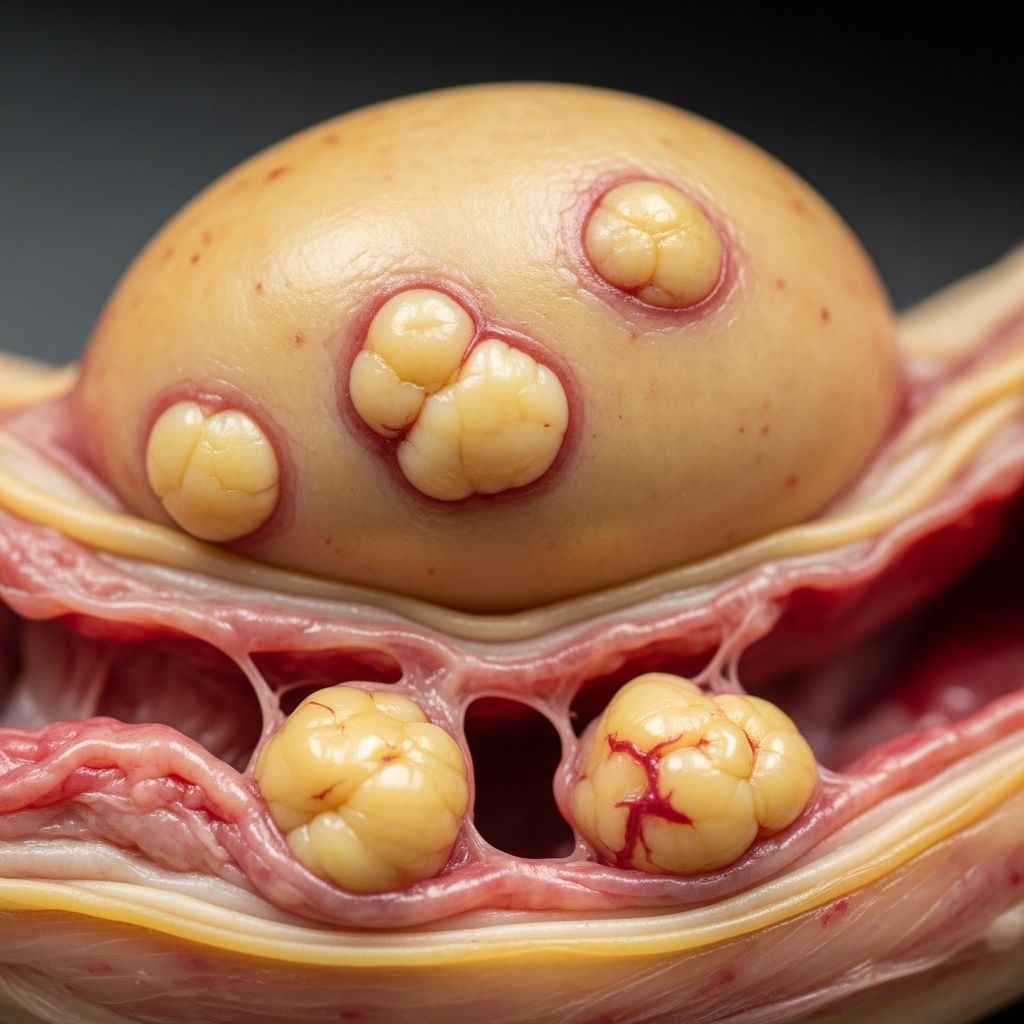
Malignant growths affecting the reproductive organs represent one of the most significant health challenges facing backyard and commercial poultry operations. As birds age, particularly those with extended productive lifespans, the risk of developing neoplastic conditions in reproductive tissues increases substantially. Understanding the presentation, diagnostic approaches, and management strategies for these conditions is essential for poultry keepers and veterinary professionals responsible for flock health.
Overview of Reproductive Neoplasia in Poultry
Neoplasia, or abnormal cellular growth, commonly affects poultry that reach advanced ages or have been exposed to specific viral pathogens. The reproductive tract serves as a primary site for tumor development in birds, with certain conditions becoming increasingly prevalent as flocks mature. Unlike commercial production environments where birds are typically processed before reaching advanced ages, backyard poultry operations often maintain birds for extended periods, creating conditions conducive to tumor development.
The epidemiology of reproductive neoplasia differs markedly between production systems. In backyard settings, birds benefit from longer lifespans, improved nutritional status, and reduced stocking densities compared to commercial operations. However, these extended productive years increase cumulative exposure to carcinogenic factors and allow time for age-related neoplastic transformation to occur.
Primary Tumor Types Affecting Reproductive Tissues
Two predominant forms of reproductive neoplasia dominate clinical presentation in poultry: lymphoid leukosis and ovarian carcinoma. Each represents a distinct pathophysiological process with different etiologies, clinical courses, and prognostic outcomes.
Lymphoid Leukosis: Viral-Induced Malignancy
Lymphoid leukosis results from infection with a retrovirus that specifically affects chickens, causing neoplastic transformation across multiple organ systems including reproductive tissues. This viral disease has distinct age-related characteristics that help differentiate it from other conditions presenting with similar clinical appearances.
Epidemiological characteristics:
- Typically manifests between 24 to 40 weeks of age in affected birds
- Does not occur before 14 weeks of age, distinguishing it from Marek’s disease which emerges earlier at 10 to 12 weeks
- Affects only chickens, with no documented transmission to other avian species
- Transmitted vertically through infected breeding stock and horizontally between birds
Clinical presentation:
Infected birds demonstrate nonspecific clinical signs that can be difficult to attribute to a specific disease process. Common presentations include progressive anorexia, muscular weakness, pale coloration of the comb, and abdominal distension. The vague nature of these signs often delays diagnosis, as they overlap with numerous other poultry conditions.
Pathological findings:
Necropsy examination of infected birds reveals characteristic gray to white tumorous masses involving the liver and various other organs. When reproductive tissues are involved, these masses may be detected through imaging or palpation during clinical examination. The widespread nature of tumor involvement often makes treatment impractical.
Ovarian Carcinoma: Age-Related Malignancy
Ovarian carcinoma represents the second most common reproductive neoplasia in poultry and typically affects older birds. This condition appears to result from cumulative cellular transformation rather than viral infection, making it particularly common in extended-production flocks.
Risk factors and epidemiology:
Ovarian tumors typically develop in birds exceeding two years of age, with high egg-producing breeds showing increased susceptibility. The condition appears linked to intensive reproductive activity through selective breeding for maximum egg production. Breeds commonly used in industrial egg production demonstrate notably higher incidence rates, with anecdotal reports suggesting particular prevalence in Leghorn chickens.
Pathophysiological mechanisms:
The excessive ovulatory cycles required by high-production genetics create prolonged epithelial irritation and cellular proliferation within ovarian tissue. This continuous cellular turnover increases opportunities for malignant transformation. The condition appears to result from accumulated genetic damage related to reproductive intensity rather than infectious etiology.
Clinical progression:
As ovarian tumors enlarge, they produce massive accumulations of abdominal fluid containing dispersed cancer cells. This ascitic fluid carries malignant cells throughout the peritoneal cavity and can lead to widespread metastasis. Affected intestinal tissue often becomes thickened and fibrotic, creating secondary nutritional complications.
Clinical Recognition and Diagnostic Approach
Both primary reproductive neoplasias present with remarkably similar clinical manifestations, creating diagnostic challenges that require systematic evaluation.
Observable Clinical Signs
Affected birds typically display lethargy and progressive weakness, with decreased appetite marking early disease stages. Most notably, affected birds demonstrate abrupt cessation or dramatic reduction in egg production despite apparent overall good body condition initially. Physical examination often reveals an enlarged, firm abdominal cavity, distinguishing tumor-related distension from other causes of coelomic enlargement.
Secondary neurological manifestations may emerge as tumor masses grow and compress adjacent neural structures. Unilateral hind limb lameness or paresis resulting from ischatic nerve compression has been documented in neoplastic cases, with affected birds demonstrating reduced mobility and altered gait.
Diagnostic Imaging and Techniques
Radiographic evaluation:
Radiographic imaging can identify tissue masses or multiple masses occupying space within the coelomic cavity. However, soft tissue masses may not always demonstrate clear radiodensity differences from surrounding structures, limiting diagnostic certainty in some cases.
Ultrasonographic examination:
Ultrasonography provides superior soft tissue discrimination and can effectively confirm both the presence of coelomic fluid accumulation and discrete mass identification. This imaging modality proves particularly valuable for assessing mass size, location, and relationship to surrounding organs.
Endoscopic visualization and biopsy:
Direct visualization through endoscopy combined with tissue biopsy remains the gold standard for definitive diagnosis. This approach allows examination of reproductive tissues and collection of samples for histopathological confirmation of malignancy.
Histopathological evaluation:
Tissue diagnosis through histopathology can be obtained via aspiration cytology or formal biopsy procedures. This approach provides definitive confirmation of tumor type and grade, allowing differentiation between primary ovarian tumors and metastatic disease.
Therapeutic Options and Prognosis
The therapeutic landscape for poultry reproductive neoplasia remains limited, with current options providing minimal disease modification.
Medical management:
Currently, no pharmacological treatments exist that effectively address lymphoid leukosis or ovarian carcinoma in chickens. The systemic nature of these conditions, combined with their advanced stage at typical diagnosis, makes targeted chemotherapy impractical in poultry medicine.
Surgical intervention:
Exploratory coeliotomy may be performed for diagnostic confirmation and assessment of surgical feasibility. However, when inoperable neoplastic masses are identified during exploration, euthanasia is recommended while the patient remains anesthetized. The extensive nature of tumor involvement and poor long-term prognosis generally preclude attempted surgical resection.
Prognostic outlook:
The prognosis for birds diagnosed with reproductive neoplasia remains grave. Most birds ultimately require humane euthanasia, with survival times from diagnosis typically measured in days to weeks without definitive treatment. The advanced disease stage at diagnosis and lack of effective medical options contribute to these poor outcomes.
Disease Prevention and Flock-Level Management
While treatment options remain severely limited, several preventive strategies can reduce reproductive neoplasia incidence within poultry operations.
Prevention of Lymphoid Leukosis
The most effective prevention strategy involves testing breeding flocks and culling of birds testing positive for lymphoid leukosis virus. This approach eliminates the primary vertical transmission route that perpetuates infection across generations. Testing programs should target breeder birds specifically, as elimination of infected breeding stock represents the most cost-effective disease control measure.
Management of Age-Related Neoplasia
For age-related conditions like ovarian carcinoma, management strategies focus on flock composition and production intensity considerations. Maintaining realistic expectations regarding productive lifespan, particularly for high-production breeds, helps minimize extended exposure to carcinogenic factors. Implementation of breed rotation and judicious culling at appropriate ages can reduce cumulative disease burden within poultry operations.
Differential Diagnosis Considerations
Several other conditions present with clinical signs overlapping those of reproductive neoplasia, necessitating careful diagnostic differentiation:
- Marek’s disease: Presents with neurological signs and neoplasia but typically occurs at younger ages (10-12 weeks) compared to lymphoid leukosis (24-40 weeks)
- Egg-related peritonitis: Results from internal egg material release but typically presents with acute illness rather than progressive chronic signs
- Cystic right oviduct: Causes coelomic distension and fluid accumulation but represents cyst formation rather than malignancy
- Salpingitis: Inflammation of the oviduct creates reproductive dysfunction but differs from neoplastic transformation
Frequently Asked Questions
At what age do reproductive tumors typically develop in chickens?
Lymphoid leukosis typically manifests between 24 to 40 weeks of age, while ovarian carcinoma generally develops in birds exceeding two years of age. Age of presentation represents an important diagnostic clue when differentiating between these conditions.
Can reproductive tumors be treated?
Currently, no effective treatments exist for either lymphoid leukosis or ovarian carcinoma in chickens. Affected birds typically require humane euthanasia for welfare considerations.
Are certain chicken breeds at higher risk?
High egg-producing breeds demonstrate notably increased susceptibility to reproductive neoplasia, particularly ovarian carcinoma. Leghorn chickens appear especially prone to developing these tumors.
Can reproductive neoplasia be prevented?
Lymphoid leukosis can be prevented through testing and culling of infected breeder birds. Age-related tumors like ovarian carcinoma are harder to prevent but can be managed through appropriate flock culling practices.
Conclusion
Reproductive neoplasia represents a significant health challenge in poultry operations, particularly in backyard flocks maintaining birds into advanced ages. While diagnostic approaches have become increasingly sophisticated through imaging and tissue analysis, therapeutic options remain frustratingly limited. Prevention through breeding stock selection and appropriate flock management remains the most practical approach to minimizing disease impact. Veterinary professionals and poultry keepers must maintain vigilance for clinical signs suggestive of reproductive tumors and recognize the importance of humane end-of-life care when diagnosis is confirmed.
References
- Reproductive Diseases of the Backyard Hen — National Center for Biotechnology Information (NCBI/PMC). 2020. https://pmc.ncbi.nlh.gov/articles/PMC7106171/
- Avian Reproduction and Reproductive Diseases: Proceedings — DVM360. 2024. https://www.dvm360.com/view/avian-reproduction-and-reproductive-diseases-proceedings
- Reproductive Tract Illnesses In Hens — The Open Sanctuary Project. 2023. https://opensanctuary.org/excerpts-from-the-compassionate-care-classroom-reproductive-tract-illnesses-in-hens/
- Reproductive Neoplasia — Poultry Vet Guide. 2024. https://poultryvetguide.com/diseases/reproductive-neoplasia/
Similar Articles








Read full bio of medha deb


