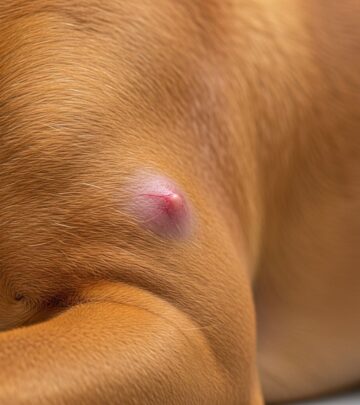
Tularemia in Cats: Symptoms, Diagnosis, and Treatment
Understanding rabbit fever in cats: causes, clinical signs, diagnosis, and effective treatment strategies.

Tularemia in Cats
Tularemia, commonly known as rabbit fever, is an infectious disease caused by the bacterium Francisella tularensis. While this condition is extremely rare in domestic cats, understanding its symptoms, transmission routes, and treatment options is crucial for cat owners and veterinary professionals. Cats can acquire tularemia through various exposure routes, and the disease can range from mild to severe, potentially resulting in serious illness or death if left untreated. Early recognition and aggressive veterinary intervention are essential for successful outcomes.
What Is Tularemia?
Tularemia is a bacterial infection that affects various animal species, including cats, rabbits, rodents, and humans. The causative organism, Francisella tularensis, is found in nature and can be transmitted through multiple pathways. In cats, this disease manifests as an acute systemic infection that can involve multiple organ systems. The bacteria can proliferate throughout the body, including the lymph nodes, lungs, liver, spleen, and bone marrow, creating a potentially life-threatening condition that demands immediate veterinary attention.
How Do Cats Get Tularemia?
Cats typically acquire tularemia through several transmission routes. Understanding these pathways helps cat owners implement appropriate prevention measures. The most common ways cats become infected include:
- Ingesting infected prey animals such as rabbits, rodents, or birds
- Drinking contaminated water sources
- Bites or scratches from infected animals
- Bites from blood-sucking parasites, particularly ticks and fleas
- Contact with infected tissues or body fluids
Outdoor cats face significantly higher risk of exposure compared to indoor cats. Cats that hunt and consume prey are particularly vulnerable, as rabbits and rodents commonly carry the tularemia bacterium. Vector transmission through tick and flea bites remains a concerning route of infection, especially in endemic areas where the disease prevalence is higher.
Signs of Tularemia Infection in Cats
Tularemia in cats presents with variable clinical signs that can range from mild to severe. The symptoms depend on the route of infection, the bacterial load, and the individual cat’s immune response. Some cats may remain asymptomatic while harboring antibodies, whereas others develop acute, life-threatening illness. The most frequently observed clinical manifestations include:
- High fever ranging from 104°F to 106°F (40°C to 41°C)
- Profound depression and lethargy
- Large, painful lymph nodes, particularly in the head and neck region
- Abdominal pain due to enlarged liver or spleen
- Jaundice (yellowing of skin, mucous membranes, and whites of eyes)
- Loss of appetite (anorexia) and vomiting
- Dehydration and generalized weakness
- Oral ulcers and abscesses, particularly with oral transmission routes
- Coughing and nasal discharge
- Diarrhea and frequent urination
- Potential sepsis and multi-organ system failure
Kittens typically suffer more severe manifestations of tularemia compared to adult cats, making them particularly vulnerable to fatal outcomes. The presentation depends significantly on whether the infection follows a localized form (ulceroglandular, characterized by skin inflammation and draining lymph nodes) or systemic form (typhoidal tularemia, characterized by high fever and sepsis).
How Veterinarians Diagnose Tularemia
Diagnosis of tularemia in cats requires a comprehensive approach combining clinical examination, laboratory testing, and epidemiological information. Veterinarians begin with a thorough physical examination to assess for fever, enlarged lymph nodes, abdominal pain, and other clinical indicators. A detailed history regarding travel, tick exposure, hunting habits, and potential exposure to infected animals is particularly valuable for establishing suspicion of tularemia.
Diagnostic Tests
Several diagnostic modalities can confirm tularemia infection:
- Complete blood count and serum chemistry: Baseline laboratory work to evaluate organ function and identify abnormalities
- Urinalysis: Assessment of urinary system involvement
- Antibody detection: Blood tests performed 2-4 weeks apart to demonstrate rising tularemia antibody titers, indicating active or recent infection
- PCR (Polymerase Chain Reaction) testing: DNA-based identification of Francisella tularensis in blood or tissue samples
- Bacterial culture: Culture of bacterial samples, though this is hazardous and typically reserved for specialized laboratories
Because tularemia is exceptionally rare in cats, veterinarians often initially focus on ruling out more common conditions such as liver disease, feline leukemia, or other infectious processes. Samples for culture and PCR testing should be obtained before initiating antibiotic therapy to avoid compromising diagnostic accuracy.
Treatment of Tularemia in Cats
Early, aggressive treatment represents the cornerstone of successful tularemia management. Treatment failure or delayed intervention significantly increases mortality risk. Comprehensive treatment typically involves hospitalization with intensive supportive care and antibiotic therapy.
Hospitalization and Supportive Care
Most affected cats require hospitalization for 2 to 3 days, during which intensive supportive measures are implemented:
- Intravenous fluid therapy to correct dehydration and electrolyte abnormalities
- Anti-nausea medications to manage vomiting
- Pain management medications
- Nutritional support as the cat’s condition permits
- Monitoring of vital signs and organ function
Antibiotic Therapy
Antibiotic selection is crucial for eliminating the causative bacterium. Gentamicin is considered the first-line antibiotic treatment for tularemia in cats, particularly for severe infections, with a typical course of 2 weeks recommended. Alternative antibiotics include tetracyclines (doxycycline) and fluoroquinolones (marbofloxacin, pradofloxacin); however, these alternatives are associated with higher relapse rates in some cases, necessitating extended treatment courses of 3 weeks or longer. Antibiotics are typically continued for a total of 3 to 4 weeks to ensure complete eradication of Francisella tularensis from the cat’s system.
Isolation Precautions
Cats suspected of having tularemia should be housed in isolation for at least the first 72 hours of antibiotic treatment. Veterinary staff handling suspected cases must implement strict biosafety protocols, including wearing gloves, gowns, masks, and goggles to prevent zoonotic transmission to human caregivers, as tularemia represents a significant public health concern.
Surgical Intervention
In some cases, surgical excision of infected masses or severely abscessed lymph nodes may be indicated as adjunctive therapy alongside antibiotic treatment.
Recovery and Management
Recovery outcomes depend on several factors, including the timing of diagnosis, initiating treatment promptly, the severity of clinical disease at presentation, and individual immune response. Cats that respond favorably to initial treatment typically make complete recoveries. Discharge from hospitalization usually occurs once fever has resolved and the cat can consistently eat and drink independently.
Despite aggressive treatment, the mortality rate among hospitalized cats with tularemia remains concerning. Even with early diagnosis and comprehensive treatment, some cats do not survive. However, most cats that respond to initial therapeutic interventions eventually achieve full recovery with continued antibiotic therapy and supportive care at home.
Long-Term Prevention
Following recovery from acute infection, implementing long-term prevention strategies is essential:
- Monthly flea and tick prevention medications to eliminate vector transmission
- Keeping cats indoors if living in high-prevalence areas
- Preventing hunting and consumption of wild prey
- Providing safe, uncontaminated water sources
- Minimizing exposure to infected animals and tick-infested environments
Can Tularemia Be Cured?
Yes, tularemia can be successfully treated and effectively cured with early, aggressive veterinary care. However, the key to successful outcomes is prompt recognition of clinical signs and immediate initiation of appropriate therapy. The prognosis is variable; some cats experience only mild symptoms while others develop severe, life-threatening disease. Without treatment, tularemia is typically fatal in cats.
Can Tularemia Go Away on Its Own?
No, tularemia cannot resolve without treatment and is potentially fatal if left untreated. Early, aggressive treatment combining intravenous fluids and antibiotics is absolutely essential if tularemia is suspected. Cats with untreated tularemia face significant mortality risk, making veterinary intervention critical.
How Common Is Tularemia in Cats?
Tularemia is extremely rare in domestic cats, though exposure is more common than clinical disease. Epidemiological surveys indicate that as many as 25% of cats in the United States test positive for antibodies against Francisella tularensis, suggesting exposure has occurred. However, clinical illness manifests in only a small percentage of exposed cats. Outdoor cats face substantially higher infection risk compared to indoor cats due to increased exposure to prey, blood-sucking parasites, and potentially contaminated environments. Geographic location significantly influences infection prevalence, with higher rates in areas where the bacterium is endemic in wildlife populations.
Zoonotic Risk: Tularemia and Human Health
Tularemia represents a significant public health concern as infected cats can transmit the infection directly to humans. Veterinary staff and cat owners handling suspected cases must implement strict safety protocols. The infection can be acquired through direct contact with infected tissues, respiratory exposure to aerosolized particles, or tick bites. Individuals who suspect exposure should consult healthcare providers immediately for evaluation and appropriate preventive treatment if indicated.
Frequently Asked Questions
Q: What is the difference between localized and systemic tularemia in cats?
A: Localized tularemia (ulceroglandular form) involves skin inflammation with draining lymph nodes at the infection site, typically following skin inoculation. Systemic tularemia (typhoidal form) involves widespread bacterial dissemination throughout the body, causing high fever, sepsis, and multi-organ involvement. Cats with systemic disease typically present with more severe clinical signs and higher mortality rates.
Q: How long does antibiotic treatment typically last for tularemia?
A: Antibiotic treatment usually continues for 3 to 4 weeks total. With gentamicin, a 2-week course may be adequate for some cases; however, alternative antibiotics typically require 3-week courses due to higher relapse rates. Treatment duration is individualized based on clinical response and severity of disease.
Q: Can my indoor cat get tularemia?
A: While significantly less likely, indoor cats can acquire tularemia if exposed to infected prey brought indoors, contaminated water sources, or infected ectoparasites. However, indoor cats have substantially lower infection risk compared to outdoor cats.
Q: What should I do if I suspect my cat has tularemia?
A: Seek immediate veterinary care. Transport your cat safely without direct hand contact if possible, and inform your veterinarian of your concerns. Handle the cat minimally and wash hands thoroughly. Do not attempt self-treatment, as early professional intervention is essential for survival.
Q: How can I prevent tularemia in my cat?
A: Implement monthly flea and tick prevention, keep cats indoors when possible (especially in endemic areas), prevent hunting of wild prey, provide clean water sources, and minimize exposure to potentially infected animals and tick-infested environments.
References
- Tularemia in Cats — PetMD. 2024. https://www.petmd.com/cat/conditions/infectious-parasitic/c_ct_tularemia
- Rabbit Fever (Tularemia) in Cats – Causes, Treatment and Prevention — Vetster. 2024. https://vetster.com/en/conditions/cat/rabbit-fever-tularemia
- GUIDELINE for Francisella tularensis infection — ABCD Cats & Vets. 2024. https://www.abcdcatsvets.org/guideline-for-francisella-tularensis-infection/
- Tularemia in Cats — VCA Animal Hospitals. 2024. https://vcahospitals.com/know-your-pet/tularemia-in-cats
- Tularemia: Basic Refresher — Veterinary Medicine at Illinois. 2025. https://vetmed.illinois.edu/2025/06/10/tularemia-basic-refresher/
Similar Articles








Read full bio of Sneha Tete