

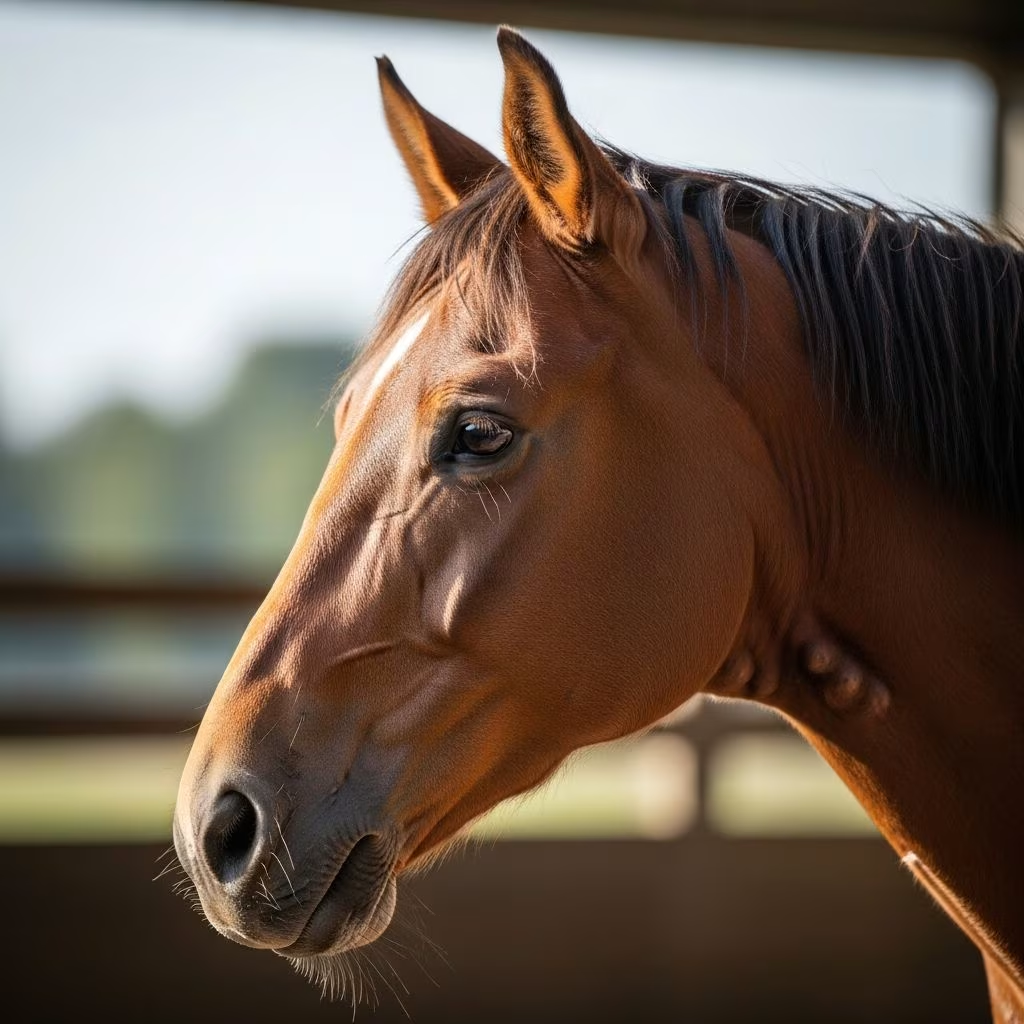
Horses face a rare but serious threat from tuberculosis, primarily caused by Mycobacterium bovis, with occasional involvement of M. tuberculosis. This bacterial infection leads to granulomatous lesions in organs like lungs, liver, and lymph nodes, manifesting as weight loss, fever, and respiratory distress. Early detection through veterinary diagnostics is crucial, as horses show relative resistance but can suffer progressive debilitation when infected.
Understanding the Pathogens Behind Equine Tuberculosis
The primary culprit in equine tuberculosis is Mycobacterium bovis, a hardy bacterium resilient to environmental stresses and capable of zoonotic transmission from cattle or wildlife. Horses are less prone to M. tuberculosis, the human strain, but cases occur via interspecies contact, as evidenced in a documented pulmonary infection in a horse exposed to infected handlers. Nontuberculous mycobacteria (NTM) also pose risks, causing similar granulomatous diseases in gastrointestinal, respiratory, and musculoskeletal systems.
These acid-fast bacilli evade immune responses by forming protective cell walls, leading to chronic infections. Transmission happens through inhalation of aerosols, ingestion of contaminated feed, or skin penetration, particularly in multi-species farms.
Clinical Manifestations and Progression
Symptoms vary by infection site but often start subtly. Generalized indicators include chronic weight loss despite normal intake, persistent low-grade fever, lethargy, and reduced performance. Respiratory forms, common with M. bovis, feature coughing, nasal discharge, and labored breathing due to lung granulomas and pleural effusion.
- Pulmonary involvement: Dyspnea, chronic cough, and hemoptysis in advanced stages.
- Abdominal effects: Enlarged lymph nodes, liver lesions causing colic-like pain and diarrhea.
- Systemic spread: Lymphadenopathy, skin nodules, and edema in limbs or ventral abdomen.
In young horses, NTM infections present with diarrhea, hypoproteinemia, and edema, mimicking other enteropathies. Progression is insidious, with lesions evolving into caseating granulomas visible postmortem.
Diagnostic Approaches for Accurate Identification
Diagnosing tuberculosis in live horses challenges veterinarians due to nonspecific signs and test limitations. No single test is definitive; a multimodal strategy is essential.
| Method | Description | Advantages | Limitations |
|---|---|---|---|
| Bacterial Culture | Swabs or biopsies from lesions cultured for acid-fast bacilli. | Gold standard for species ID. | Slow (weeks), low sensitivity. |
| PCR and Gene Sequencing | Detects mycobacterial DNA in tissues or fluids. | Rapid, specific for NTM or TB strains. | Requires specialized labs. |
| Tuberculin Skin Test | Intradermal injection; measures swelling after 72 hours. | Screening tool in herds. | Anaphylaxis risk, false positives in sensitized horses. |
| Serology/Interferon-Gamma Assay | Blood tests for immune response. | Detects exposure in exposed groups. | Not confirmatory alone. |
| Ultrasound/Imaging | Visualizes abscesses in lungs, abdomen, nodes. | Guides biopsies. | Non-specific for mycobacteria. |
Postmortem exams reveal diagnostic tubercles, but antemortem confirmation relies on combining history, clinical findings, and lab results. In herds, test exposed animals to curb spread.
Treatment Strategies and Challenges
Equine tuberculosis treatment is protracted and often palliative due to bacterial resistance. No approved protocols exist specifically for horses; human and veterinary guidelines inform multi-drug regimens lasting 12-18 months post-negative culture.
- Recommended combinations: Macrolides (azithromycin) + rifampin, sometimes with aminoglycosides for refractory cases.
- Supportive care: Nutritional support, anti-inflammatories, and isolation to prevent transmission.
- Prognosis: Poor for disseminated disease; euthanasia common in severe pulmonary or abdominal cases.
Resistance develops rapidly with monotherapy, necessitating combinations. Monitor via serial cultures; continue therapy 12 months after clearance. Internal abscesses carry 30-40% mortality even with intervention.
Prevention and Control Measures
Prevention hinges on biosecurity, as vaccines are unavailable for horses. Key strategies include:
- Herd testing: Routine caudal fold tests in endemic areas; quarantine reactors.
- Source control: Eradicate bovine TB in co-housed cattle; avoid raw milk feeding.
- Hygiene protocols: Disinfect shared equipment, control flies, and isolate new arrivals.
- Surveillance: Monitor for weight loss or cough in high-risk populations like imports or rescues.
Zoonotic risks warrant handler testing; four animal caretakers tested positive in one outbreak linked to an infected horse. Collaborate with state veterinarians for reportable disease management.
Related Conditions Mimicking Tuberculosis
Differentiate from pigeon fever (Corynebacterium pseudotuberculosis), causing abscesses and lymphangitis with similar fever and swelling. Culture distinguishes it, as does SHI testing for supportive evidence. Paratuberculosis (Johne’s disease) presents chronic diarrhea but lacks respiratory signs. NTM overlaps clinically but requires genotyping.
Frequently Asked Questions (FAQs)
Can horses transmit tuberculosis to humans?
Yes, M. bovis and rarely M. tuberculosis are zoonotic via aerosols or milk; handlers in contact with cases should undergo interferon-gamma testing.
Is there a vaccine for equine TB?
No equine-specific vaccine exists; focus on eliminating reservoir hosts like infected cattle.
How long does TB incubation take in horses?
Weeks to months; chronic progression masks early detection.
What if my horse tests positive on skin test?
Quarantine immediately; pursue confirmatory tests like culture or PCR. Consult regulatory vets.
Are imported horses at higher risk?
Yes, from TB-endemic regions; require pre-import testing and quarantine.
Long-Term Management in Affected Herds
Outbreak control demands whole-herd depopulation in severe cases, per eradication programs. Surviving horses may carry subclinical infections, necessitating lifelong monitoring. Nutritional optimization and deworming bolster immunity against opportunistic mycobacteria.
Owners should document all diagnostics and treatments for legal and insurance purposes, as TB is reportable in many jurisdictions.
References
- Tuberculosis in Horses – Horse Owners – Merck Veterinary Manual — Merck & Co. 2023. https://www.merckvetmanual.com/horse-owners/infectious-diseases-of-horses/tuberculosis-in-horses
- Pigeon Fever in Horses: Signs, Treatment, and Prognosis — Mad Barn. 2023. https://madbarn.ca/pigeon-fever-in-horses/
- Nontuberculous Mycobacteria in Horses: A Narrative Review — PMC (NCBI). 2023-07-20. https://pmc.ncbi.nlm.nih.gov/articles/PMC10384023/
- Pulmonary Disease due to Mycobacterium tuberculosis in a Horse — Wiley Online Library. 2012-09-04. https://onlinelibrary.wiley.com/doi/10.1155/2012/642145
- Pigeon Fever (C. Pseudotuberculosis) and Ulcerative Lymphangitis — Vet Specialists. 2020-04-29. https://www.vetspecialists.com/vet-blog-landing/animal-health-articles/2020/04/29/pigeon-fever-in-the-horse
- Bovine Tuberculosis Facts for Manitoba Livestock Producers — Government of Manitoba (.gov). 2023. https://www.gov.mb.ca/agriculture/animal-health-and-welfare/animal-health/bovine-tuberculosis-facts-for-manitoba-livestock-producers.html
- Paratuberculosis — World Organisation for Animal Health (WOAH). 2023. https://www.woah.org/en/disease/paratuberculosis/
- NVAP Reference Guide: Tuberculosis (Control and Eradication) — USDA APHIS (.gov). 2023. https://www.aphis.usda.gov/nvap/reference-guide/control-eradication/tuberculosis



