

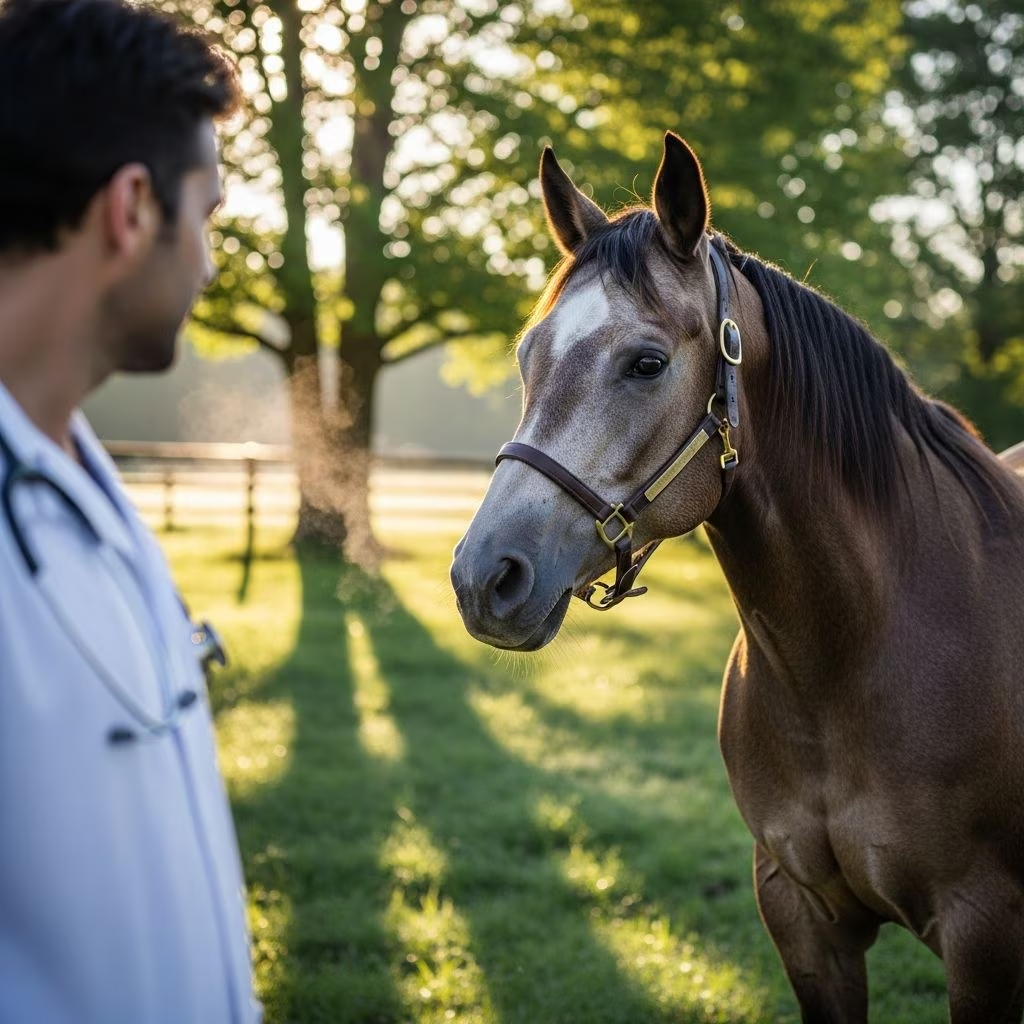
Tuberculosis (TB) in horses represents a uncommon yet potentially devastating bacterial infection primarily linked to Mycobacterium bovis, with horses displaying natural resistance to human strains like M. tuberculosis. This chronic condition often manifests through gradual weight loss and respiratory issues, posing diagnostic hurdles due to nonspecific symptoms.
The Nature of Equine Tuberculosis
Equine TB stems from acid-fast bacilli in the Mycobacterium genus, which thrive intracellularly within macrophages, forming granulomatous lesions. While horses rarely contract the disease, exposure typically occurs via ingestion or inhalation from contaminated environments or infected livestock. M. bovis, a key pathogen in cattle, spills over into horses through shared pastures or feed sources.
Horses’ innate resistance limits widespread outbreaks, but when infection takes hold, it progresses insidiously, evading early detection. Lesions commonly develop in the lungs, liver, spleen, and lymph nodes, reflecting the bacteria’s affinity for lymphoid tissues.
Recognizing Clinical Manifestations
The hallmark of TB in horses is a progressive wasting syndrome, where affected animals lose body condition despite maintained appetite. Owners may first notice lethargy, intermittent fever, and reduced performance.
- Generalized symptoms: Emaciation, weakness, anorexia in advanced stages, and fluctuating low-grade fever.
- Respiratory involvement: Chronic cough, dyspnea (labored breathing), and tachypnea, often linked to pulmonary granulomas.
- Other signs: Enlarged superficial lymph nodes, edema, or abdominal discomfort from mesenteric node involvement.
In rare acute presentations, abortion or guttural pouch infections may occur, though chronic forms dominate. Secondary complications like arthritis or ocular lesions further complicate the picture.
Pathological Changes in Affected Horses
Post-mortem examinations reveal non-calcified granulomas—firm, nodular structures filled with caseous necrosis surrounded by inflammatory cells. These appear predominantly in:
| Organ/System | Common Lesion Sites | Prevalence |
|---|---|---|
| Pulmonary | Lungs, thoracic lymph nodes | High |
| Abdominal | Mesenteric lymph nodes, liver, spleen | Moderate to High |
| Other | Head/neck nodes, serous membranes, joints | Low |
Such lesions obstruct airways or digestive tracts, exacerbating clinical decline. Microscopically, acid-fast bacilli confirm the diagnosis.
Diagnostic Approaches for Equine TB
Diagnosing TB in live horses challenges veterinarians due to the unreliability of standard tests adapted from cattle. The intradermal tuberculin test, using bovine purified protein derivative (PPD), yields inconsistent results in equines, often missing infected animals or producing false positives from cross-reacting mycobacteria like M. avium.
Advanced methods include:
- Imaging: Radiography or CT to detect pulmonary granulomas.
- Cytology/PCR: Analysis of exudates, buffy coat, or biopsies for bacterial DNA.
- Culture: Gold standard, though slow (4-15 weeks), identifying the strain via genotyping like spoligotyping.
Necropsy remains definitive, with lesion sampling for histopathology and culture. In surveillance, abattoir inspections play a role, though less relevant for horses.
Factors Influencing Disease Susceptibility
Horses encounter M. bovis mainly from cattle reservoirs, with transmission via milk, sputum, or feces. Wildlife like badgers or deer may also contribute in endemic areas. Stress, malnutrition, or concurrent infections heighten vulnerability.
Zoonotic risks exist, as M. bovis infects humans, underscoring the need for biosecurity in mixed-species farms.
Management and Treatment Considerations
Treatment is rarely pursued due to high costs, prolonged regimens, and public health concerns—multi-drug protocols akin to human TB carry resistance risks. Euthanasia or isolation is standard for confirmed cases.
Supportive care might involve nutritional support and anti-inflammatories, but prognosis remains grave, with most diagnoses postmortem.
Prevention Strategies for Horse Owners
Proactive measures focus on source control:
- Separate horses from cattle or TB-endemic species.
- Maintain clean water/feed sources, avoiding raw milk.
- Vaccination absent for horses; rely on cattle herd testing and culling programs.
- Implement quarantine for new arrivals and monitor for wasting.
Regulatory surveillance, like Canada’s caudal fold test, informs broader control, adaptable to equines with veterinary oversight.
Global Perspectives and Research Insights
TB in horses surfaces sporadically worldwide, with clusters tied to bovine outbreaks. Recent studies highlight molecular epidemiology, tracking strains via whole-genome sequencing to trace spillovers.
In regions like the UK or US, wildlife reservoirs complicate eradication. Equine cases often reveal after routine necropsies, emphasizing vigilant monitoring.
Frequently Asked Questions (FAQs)
Is tuberculosis contagious between horses?
Direct horse-to-horse spread is rare; most infections arise from environmental contamination by other species.
Can horses recover from TB?
Spontaneous recovery is unlikely; untreated cases progress fatally.
How do I test my horse for TB?
Consult a vet for tuberculin testing or advanced diagnostics; single intradermal tests are suboptimal.
Is horse TB a risk to humans?
Yes, particularly M. bovis via close contact with lesions or aerosols.
What if my horse shows weight loss?
Rule out TB alongside parasites, dental issues, or neoplasia via comprehensive exam.
Emerging Challenges and Future Directions
Climate change and intensified farming may boost mycobacterial exposures. Research into equine-specific diagnostics, like interferon-gamma assays, promises better detection. Collaborative efforts between vets, farmers, and regulators are vital for containment.
Horse owners play a pivotal role by reporting suspicious cases promptly, aiding surveillance networks. While rare, awareness equips stakeholders to mitigate TB’s impact effectively.
References
- Tuberculosis in Horses – Horse Owners – Merck Veterinary Manual — Merck & Co. 2023. https://www.merckvetmanual.com/horse-owners/infectious-diseases-of-horses/tuberculosis-in-horses
- Tuberculosis in Horses – Generalized Conditions — MSD Veterinary Manual. 2023. https://www.msdvetmanual.com/generalized-conditions/tuberculosis-in-various-animals/tuberculosis-in-horses
- Overview of Tuberculosis in Animals – Generalized Conditions — Merck Veterinary Manual. 2023. https://www.merckvetmanual.com/generalized-conditions/overview-of-tuberculosis-in-animals/overview-of-tuberculosis-in-animals
- Bovine Tuberculosis Facts for Manitoba Livestock Producers — Government of Manitoba. 2022. https://www.gov.mb.ca/agriculture/animal-health-and-welfare/animal-health/bovine-tuberculosis-facts-for-manitoba-livestock-producers.html
- Mycobacteriosis in Horses (Equis) — Vetlexicon. 2023. https://www.vetlexicon.com/equis/internal-medicine/articles/mycobacteriosis/
- Bovine Tuberculosis – The Livestock Project — Iowa State University. 2023. https://www.cfsph.iastate.edu/thelivestockproject/bovine-tuberculosis/
- NVAP Reference Guide: Tuberculosis (Control and Eradication) — USDA APHIS. 2024. https://www.aphis.usda.gov/nvap/reference-guide/control-eradication/tuberculosis



