

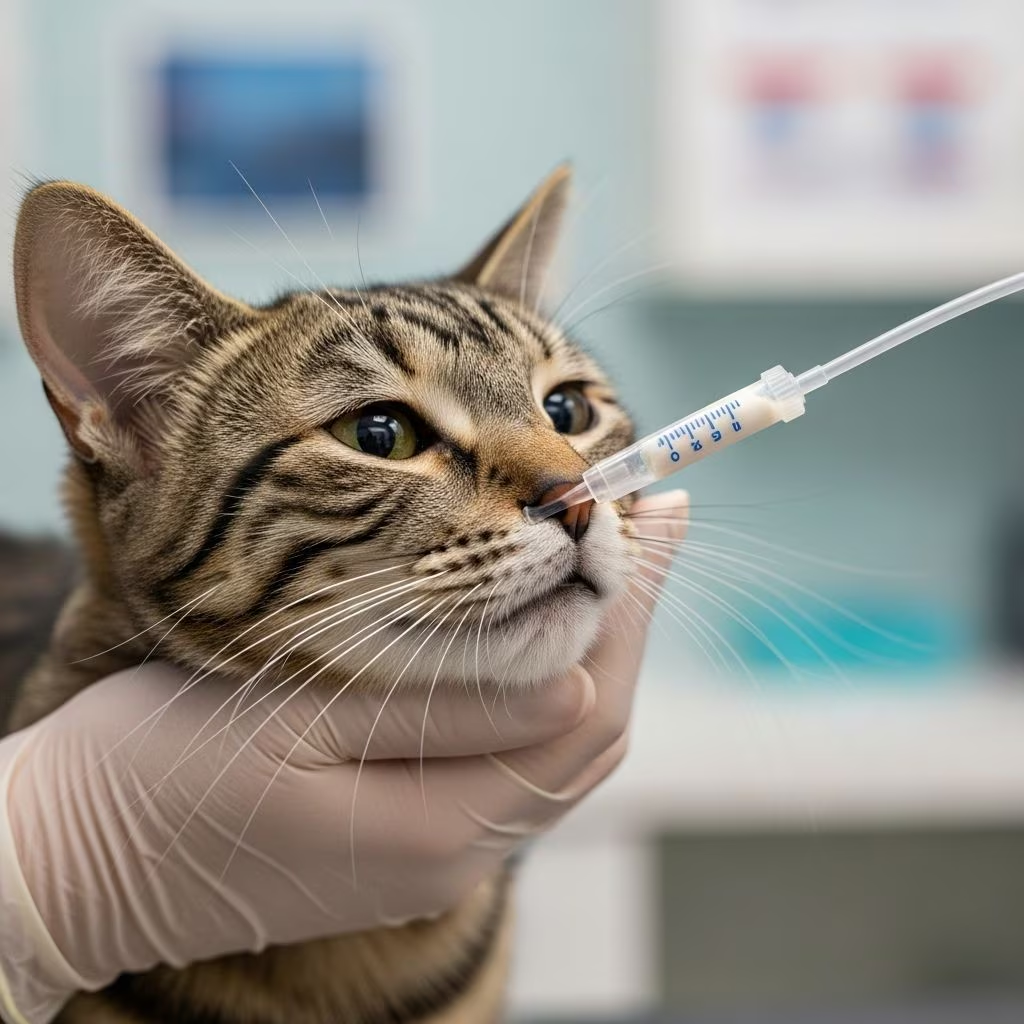
Tube feeding delivers liquefied nutrition directly into a cat’s digestive system, bypassing oral intake issues caused by illness, surgery, or injury. This method ensures cats receive essential calories, fluids, and medications to prevent malnutrition and support healing.
Why Cats Need Tube Feeding Assistance
Cats facing prolonged anorexia risk severe health declines, including hepatic lipidosis where fat accumulates in the liver. Anorexia lasting over three days triggers this potentially fatal condition, alongside muscle wasting, weakened immunity, and delayed recovery.
Indications include weight loss exceeding 10%, poor coat quality, muscle loss, or inappetence from conditions like kidney disease, trauma, or post-surgical recovery. Early intervention shortens hospital stays and improves outcomes by maintaining energy balance and preventing hypoglycemia or electrolyte imbalances.
- Malnutrition signs: Visible weight loss, lethargy, dull fur.
- Common triggers: Chronic illnesses, oral pain, nausea, or upper respiratory infections.
- Urgency: Start support within 72 hours of reduced intake to avoid complications.
Types of Feeding Tubes for Felines
Veterinarians select tube types based on duration needed, cat’s condition, and placement feasibility. Each offers unique advantages for short-term or extended use.
| Tube Type | Duration | Placement Method | Pros | Cons |
|---|---|---|---|---|
| Naso-esophageal (NE) | Up to 5-7 days | No sedation, nose to esophagus | Quick, inexpensive; allows varied foods | Prone to clogging; cat discomfort |
| Esophagostomy (E-tube) | Weeks to months | Anesthesia, left neck incision | Well-tolerated; home use; larger bore | Requires surgery; dislodgement risk |
| Gastrostomy | Long-term | Surgical or endoscopic | Stable for chronic needs | Leak risk until sealed; infection |
Naso-esophageal tubes suit acute cases without vomiting or esophageal issues. Esophagostomy tubes excel for longer support, enabling discharge with at-home feeding.
Placement Procedures Explained
NE tube insertion involves threading a flexible catheter from nostril to esophagus, often without sedation in stable cats. Contraindications: head trauma, vomiting, or absent gag reflex.
E-tube placement requires general anesthesia. The cat lies in right lateral recumbency; the neck is clipped and prepped aseptically. A curved stylet guides the tube through a small incision into the esophagus, secured with sutures and a Chinese finger trap bandage.
Gastrostomy involves stomach puncture under imaging or surgery, forming a seal over 1-2 weeks to prevent leaks. Protective collars prevent tampering post-placement.
Preparing and Administering Feedings
Use blenderized prescription diets high in protein and fat, liquefied to prevent clogs. Calculate needs: 50-70 kcal/kg/day initially, adjusted for illness.
- Flush tube with 10-20ml warm water before/after feeding.
- Aspirate stomach contents if possible to check residuals.
- Administer slowly via syringe over 10-20 minutes.
- Monitor for regurgitation or distress.
Water intake meets via diet and flushes; supplement if dehydrated. Medications crush finely, dissolved before delivery.
Managing Risks and Complications
Complications affect 35-48% of cases, mostly minor. Tube dislodgement (14.5%), stoma infections (12.1%), and clogs top the list.
- Infection: Clean site daily with antiseptic; watch for redness, discharge.
- Dislodgement: Use collars; secure firmly.
- Clogging: Flush routinely; use liquid diets.
- Rare: Laryngeal paralysis, esophageal rupture—seek immediate vet care.
Survival to discharge typical; no tube-related deaths in studies. Removal simple once appetite returns.
Home Care Instructions for Owners
Cats discharge with E-tubes after 24-48 hour training. Supplies: diet, syringes, flushes, cleaning kit.
Daily routine: Site cleaning, feeding 4-6 times/day, collar maintenance. Track weight weekly, intake/output. Return for removal when eating voluntarily.
Pros: Reduces force-feeding stress, ensures nutrition, extends quality life. Cons: Learning curve, vigilance needed.
FAQs on Cat Tube Feeding
Is tube feeding painful for cats?
Brief discomfort during placement; well-tolerated afterward with proper care.
How long can a tube stay in?
NE: 5 days max; E-tube: Up to 93 days median 11.
Can I bathe my cat with a tube?
Yes, protect site with plastic wrap; avoid submersion.
What if the tube clogs at home?
Flush with warm water, then enzyme solution; contact vet if persistent.
Does insurance cover this?
Varies; consult provider for enteral support claims.
Long-Term Outcomes and Recovery
Tube feeding halts catabolic states, preventing hepatic issues and aiding organ recovery. Many cats regain appetite within weeks, leading to tube removal and normalcy.
Monitor progress: Appetite return signals success. Transition gradually to oral feeding.
References
- Tube Feeding in Cats — VCA Animal Hospitals. Accessed 2026. https://vcahospitals.com/know-your-pet/tube-feeding-in-cats
- Esophageal feeding tube placement and the associated complications in cats — PMC/NIH. 2019-05-01. https://pmc.ncbi.nlm.nih.gov/articles/PMC6524112/
- Why, when, which and how to use feeding tubes in cats — Vet Times. 2015-08-10. https://www.vettimes.com/news/vets/small-animal-vets/why-when-which-and-how-to-use-feeding-tubes-in-cats
- Cat Feeding Tube Pros and Cons — UAH Pet. Accessed 2026. https://www.uahpet.com/blogs/post/cat-feeding-tube-pros-and-cons-what-every-pet-owner-should-know
- Minimizing Small Animal Esophageal Feeding Tube Complications — Today’s Veterinary Practice. Accessed 2026. https://todaysveterinarypractice.com/nutrition/minimizing-small-animal-esophageal-feeding-tube-complications/



